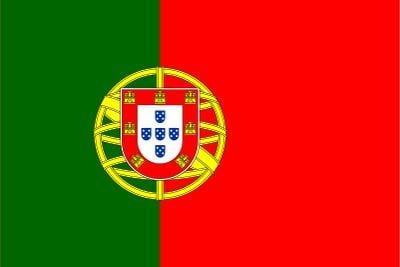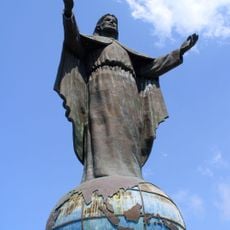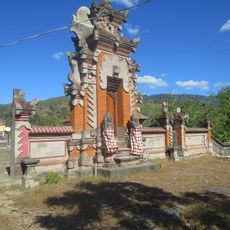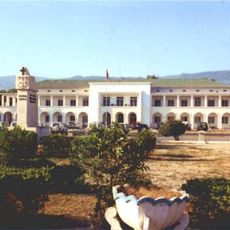
Portuguese Timor, Former Portuguese colony in Southeast Asia
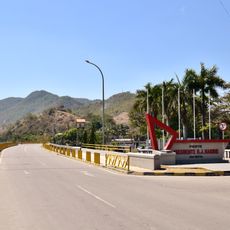
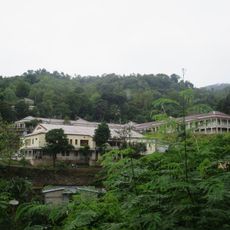
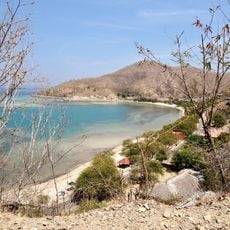
Portuguese Timor covered the eastern half of Timor island, stretching from the Savu Sea in the north to the Timor Sea in the south. The territory included several districts with mountainous terrain, coastal areas, and numerous smaller islands that formed part of the colonial domain.
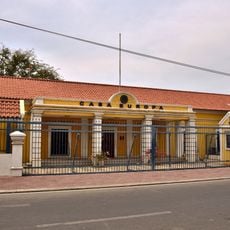
Portuguese rule began in 1702 and lasted over two centuries until 1975. The colonial period ended abruptly when Indonesia invaded following a brief moment of independence being declared.
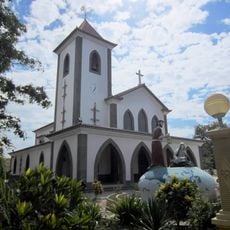
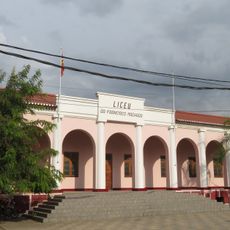
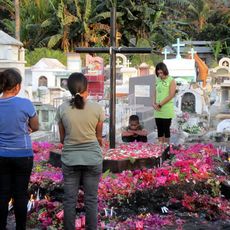
Catholicism took root through Portuguese settlement and blended with local customs that families still practice today. The Latin alphabet and formal schooling systems became part of daily life and continue to shape how people read and learn.
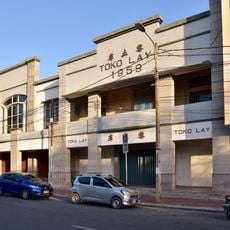
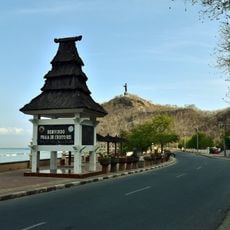
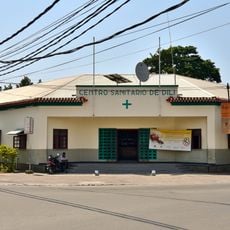
The administrative center shifted from Lifau to Dili in 1769, which later became the foundation for the modern capital. Today, Dili remains the main hub for understanding the region's history and serves as the starting point for exploring this territory.
The colonial government secured control through strategic partnerships with local chiefs and community leaders. At the same time, it introduced maize as a food crop and coffee as an export product that transformed the agricultural practices of the region.
The community of curious travelers
AroundUs brings together thousands of curated places, local tips, and hidden gems, enriched daily by 91,209 contributors worldwide.