Cloggs Cave, Aboriginal limestone cave near Buchan, Victoria, Australia
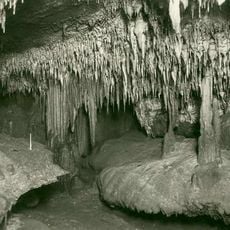
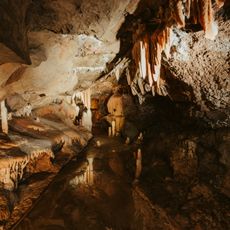
Cloggs Cave is a limestone cave near Buchan that extends into an inner chamber with a high cathedral ceiling and contains multiple geological formations along its walls. The space features various natural structures and mineral deposits that developed over long periods.
Archaeological excavations revealed that people used this cave around 17,000 years ago, as shown by stone tools and artifacts that were discovered. These findings make it an important site for understanding early human life in the region.
The Krowathunkooloong clan of the Gunaikurnai people used this cave for various activities and left blackened roof marks from their fires. These marks remain visible today, showing how people lived and used the space daily.
Access requires authorization and guided visits to protect both the archaeological remains and natural formations within. Visitors should inquire in advance and arrange visits accordingly, as entry is strictly regulated.
Researchers found a grinding stone around 2,000 years old containing microscopic remains of bogong moths, marking the earliest known evidence of insect food processing. This discovery shows that people here not only hunted large animals but also collected and processed smaller resources.
The community of curious travelers
AroundUs brings together thousands of curated places, local tips, and hidden gems, enriched daily by 92,634 contributors worldwide.