Alpine National Park, Nature reserve in Victoria, Australia
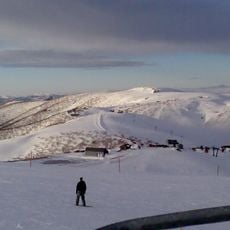
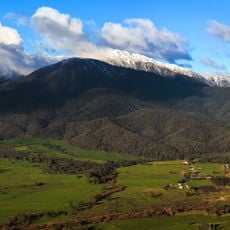
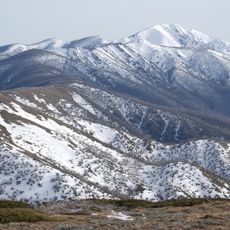
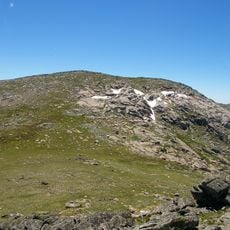
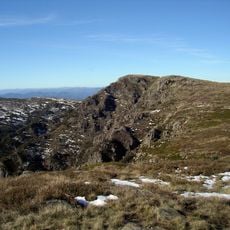
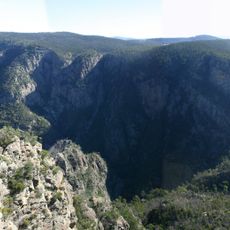
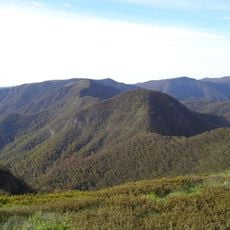
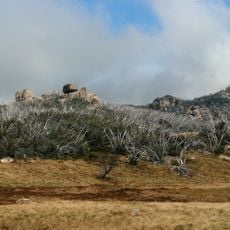
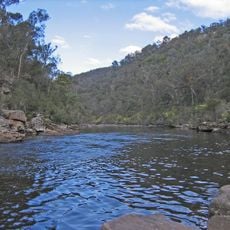
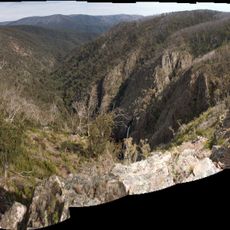
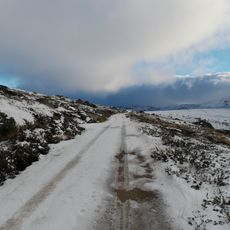
Alpine National Park covers 646,000 hectares of Victoria's Great Dividing Range, including Mount Bogong at 1,986 metres. Above about 1,800 metres trees give way to dwarf shrubs, alpine grasses and ground-hugging herbs; below lies open snow-gum forest with grasslands and Sphagnum bogs. Wet forests of alpine ash and mountain ash grow on the southern fall.
Cattle grazing began in Australia's alpine country around the 1840s, and summer quotas on the Bogong High Plains continued for over a century. Grazing was suspended in Mount Buffalo National Park in the 1920s and ended there in 1952. The Alpine National Park was created on 26 April 1979 and joined the Australian National Heritage List on 7 November 2008 as one of eleven areas forming the Australian Alps National Parks and Reserves.
The Bogong moth gathers in rock crevices of the high country each summer, sheltering from heat elsewhere and becoming food for the mountain pygmy possum, the only marsupial known to store winter provisions. The park's Traditional Owners include the Dhudhuroa and the Kulin Nation, and ancestral and sacred sites lie within its boundaries.
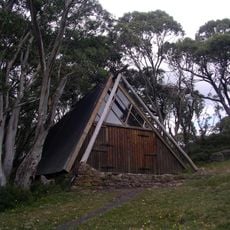
The park can be accessed from several entry points with walking trails suited to different fitness levels and camping areas scattered throughout the region. Weather conditions change quickly at higher elevations, so checking forecasts before visiting helps with planning appropriate clothing and activities.
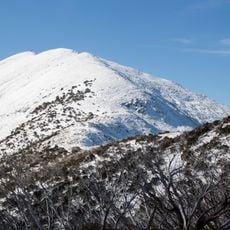
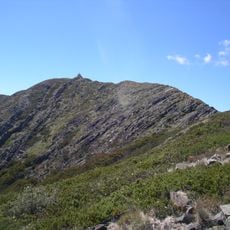
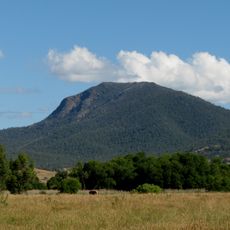
Victoria's highest mountain peak sits within the park boundaries and supports rare plant species found nowhere else at such elevations. The summit draws walkers seeking to explore the alpine environment and the sweeping views from above the surrounding landscape.
The community of curious travelers
AroundUs brings together thousands of curated places, local tips, and hidden gems, enriched daily by 93,388 contributors worldwide.