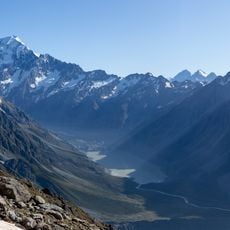
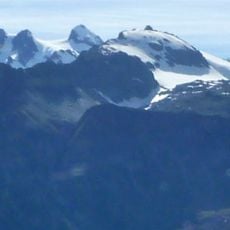
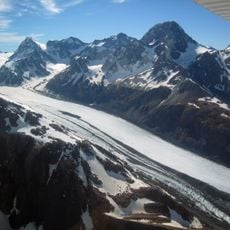
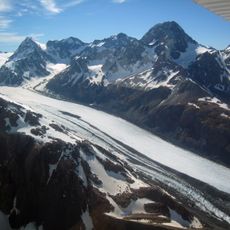
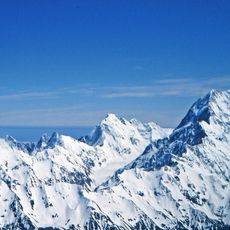
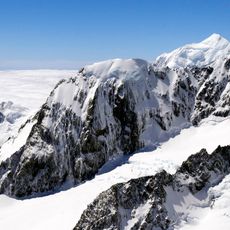
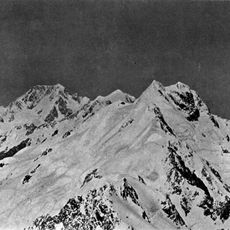
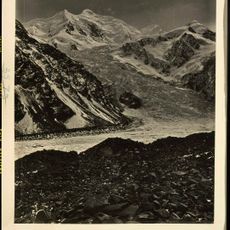
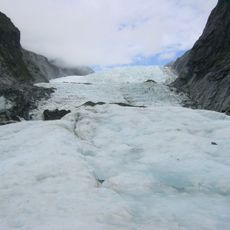
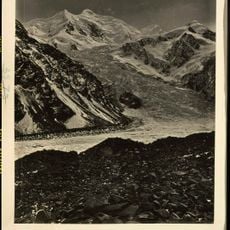
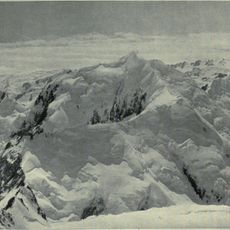
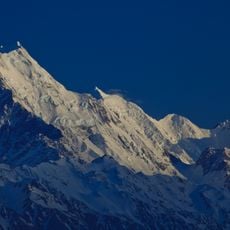
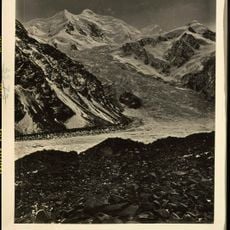
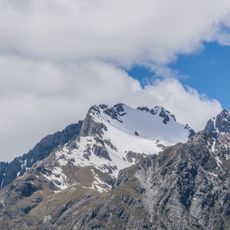
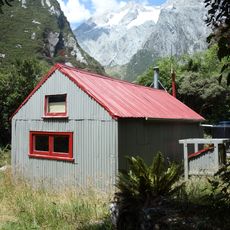
Silberhorn, Alpine summit in Westland District, New Zealand
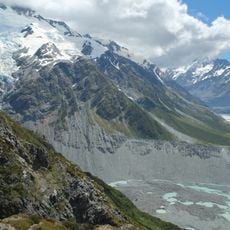
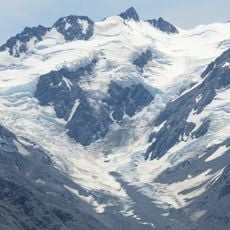
Silberhorn (Māori: Rangirua) is the fifth highest peak in New Zealand, rising to 3,300 metres in the Southern Alps on the south ridge of Mount Tasman (3,497 m). It lies within Mount Cook National Park on the South Island.
William Spotswood Green named the peak in 1882, inspired by its resemblance to a Swiss Alpine formation in the Bernese region. This naming reflected explorers' practice of drawing parallels between New Zealand's mountains and familiar European landscapes.
The Māori name Rangirua breaks into rangi (sky) and rua (two), literally 'second sky'. The German name Silberhorn, 'silver horn', was probably given by William Spotswood Green in 1882 because the peak resembled the Silberhorn of the Swiss Alps.
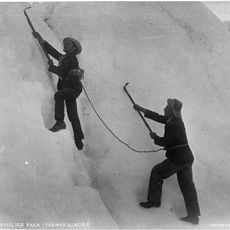
Climbers need advanced mountaineering skills and alpine experience to tackle either the north or south face routes on this peak. Weather conditions can shift rapidly at this elevation, so preparation and proper equipment are essential before attempting the ascent.
The first ascent in 1895 was made by Edward FitzGerald with guides Matthias Zurbriggen and Jack Clark, a party also linked to early climbs on Aoraki/Mount Cook. The peak's Māori name, Rangirua, means 'second sky', from rangi (sky) and rua (two).
The community of curious travelers
AroundUs brings together thousands of curated places, local tips, and hidden gems, enriched daily by 93,404 contributors worldwide.