Cape Palliser / Mātakitaki-a-Kupe, Maritime lighthouse and seal colony at Cape Palliser, New Zealand
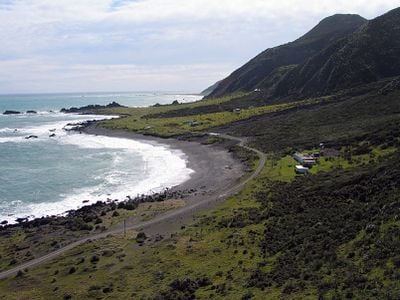
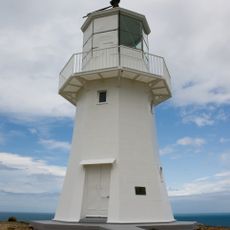
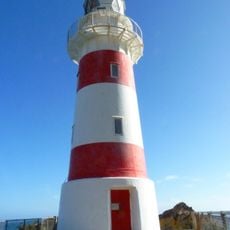
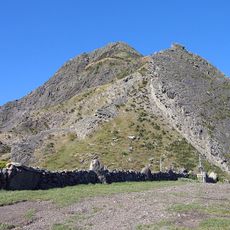
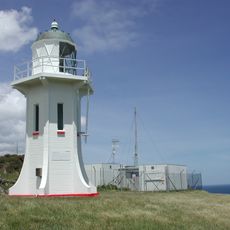
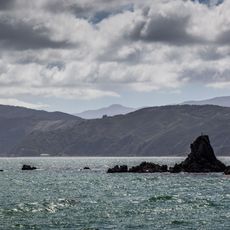
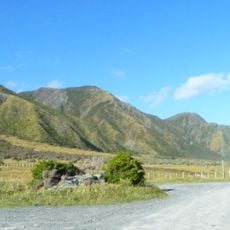
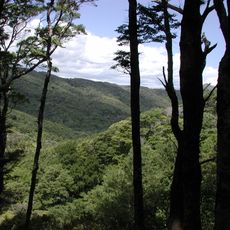
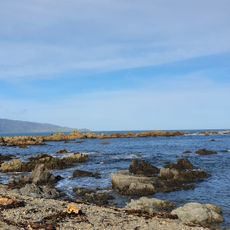
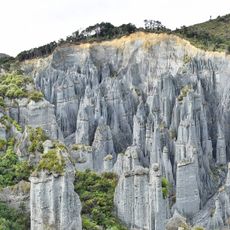
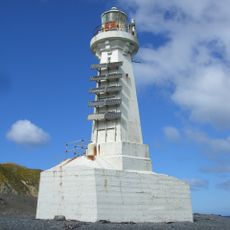
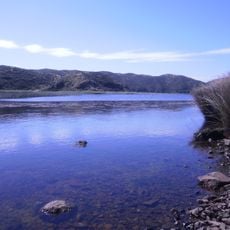
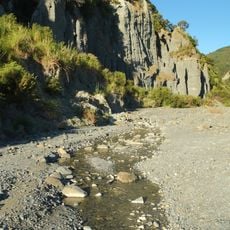
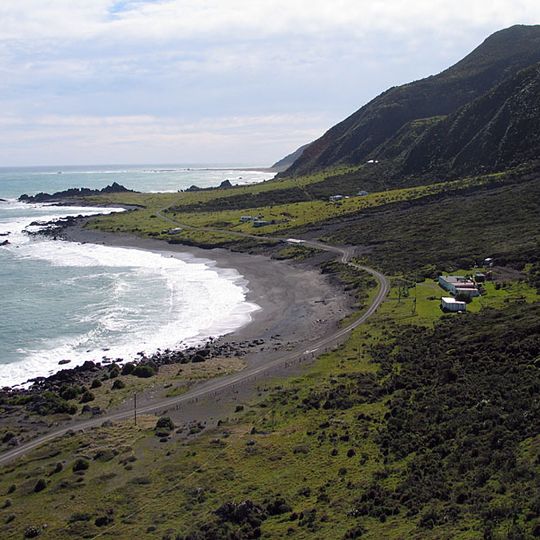
Cape Palliser is a headland at the southern tip of New Zealand's North Island jutting into Cook Strait, marked by steep coastal cliffs and rolling hills. A red and white striped lighthouse stands here, and seal colonies inhabit the rocky shores.
Captain James Cook named this headland in 1770 after Admiral Hugh Palliser, establishing the European designation. Māori traditions connect this place to explorer Kupe and his early voyages through these waters.
The dual name reflects this place's meaning to both European settlers and Māori communities who have connections here. This linguistic pairing shows how different cultures view and remember the same land.
This location is accessible by road leading to the lighthouse area, giving visitors good access to the coast. The stairs to the top are steep, so sturdy footwear and some stamina help you enjoy the views from above.
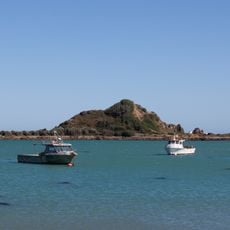
The nearby village of Ngawi has an unusual tradition where fishers launch their boats from wooden ramps straight off the beach into Palliser Bay waters. This practical method is rarely seen elsewhere in New Zealand.
The community of curious travelers
AroundUs brings together thousands of curated places, local tips, and hidden gems, enriched daily by 90,921 contributors worldwide.