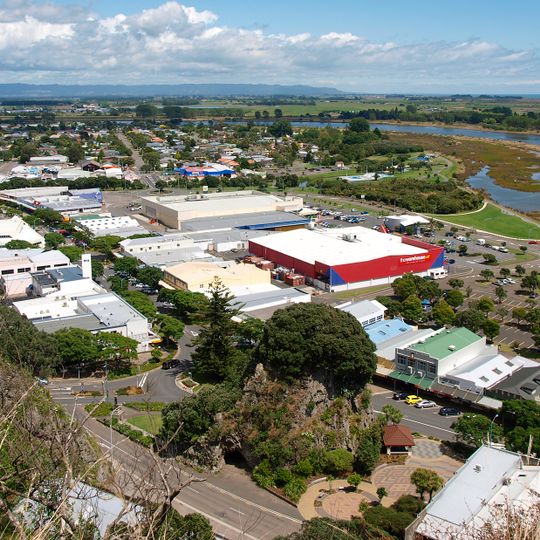
Whakatāne, Coastal town in Eastern Bay of Plenty, New Zealand
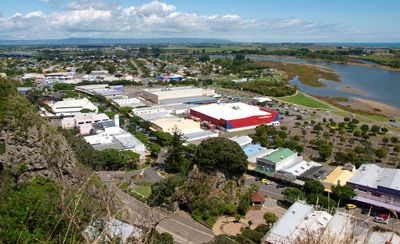
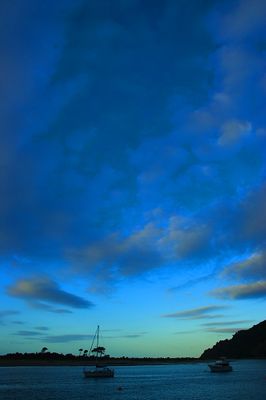
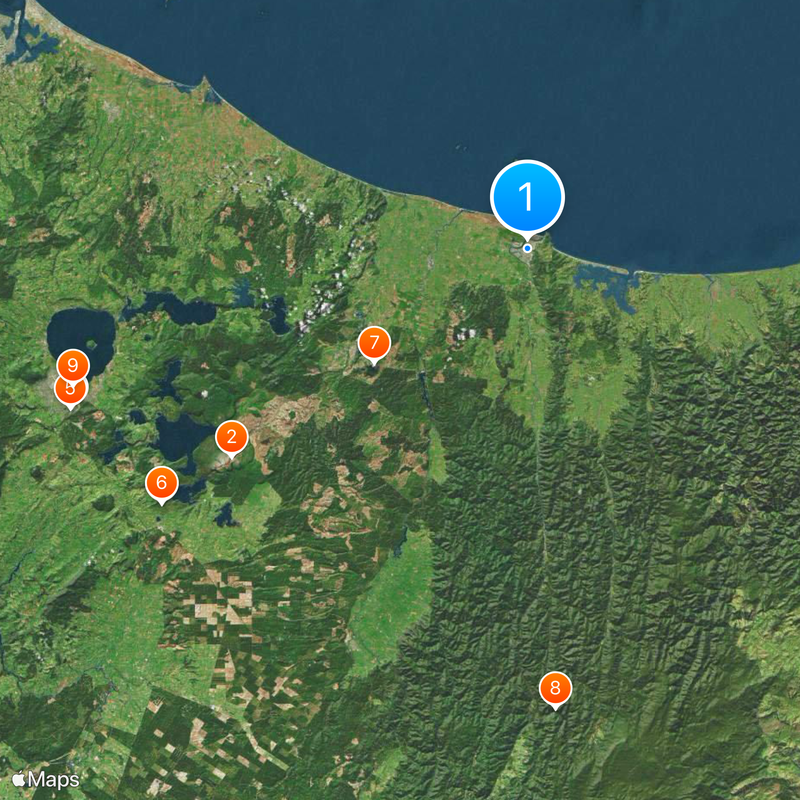
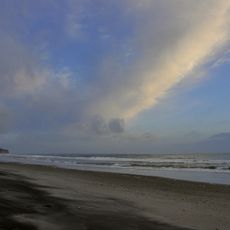
Whakatāne sits at the southern edge of the eastern Bay of Plenty and is a coastal town at the mouth of the Whakatāne River where it meets the Pacific Ocean. The town serves as a regional center for the surrounding farming region and access to nearby beaches and natural areas.
The town takes its name from Whakatāne, a Māori chieftainess who in the 14th century is said to have saved a sinking canoe by paddling it back to shore despite a taboo against women doing so. European settlers arrived from the 1830s onward and established a permanent settlement at the river mouth from 1865.
The Footprints of Toi walking trail connects multiple archaeological sites, revealing centuries of Māori settlement patterns throughout the district.
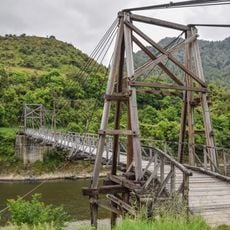
The river divides the town and several bridges connect both sides, making it easy for visitors to move between neighborhoods. The waterfront walkway extends along the riverbank and provides access to cafés and shops in the center.
A bronze statue on the waterfront depicts Whakatāne in the act of paddling and commemorates the founding story in which she acted despite social prohibitions. The monument has become a meeting point and a navigation aid for visitors along the river.
The community of curious travelers
AroundUs brings together thousands of curated places, local tips, and hidden gems, enriched daily by 92,782 contributors worldwide.