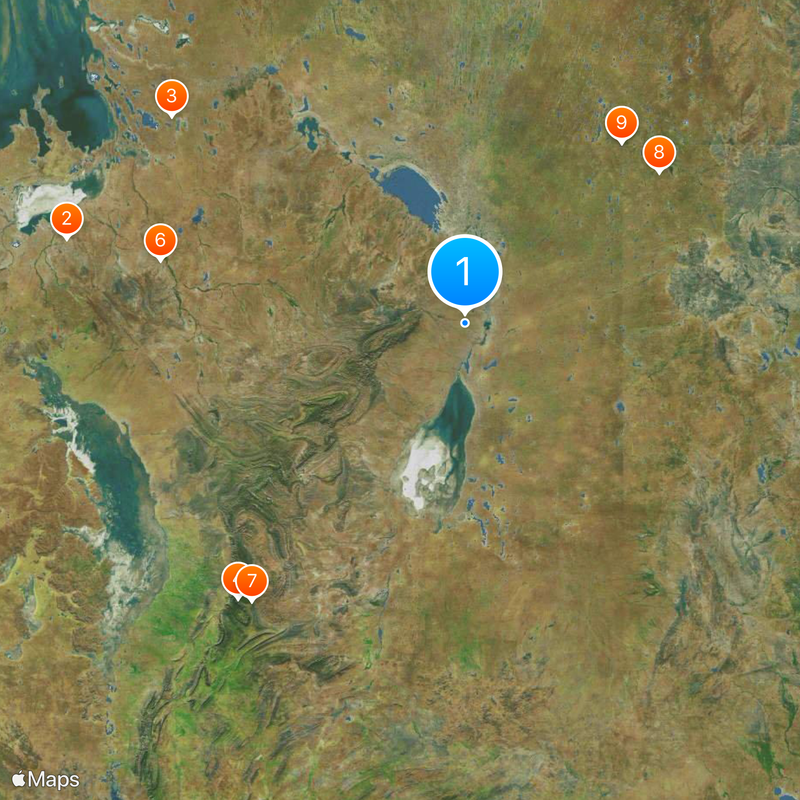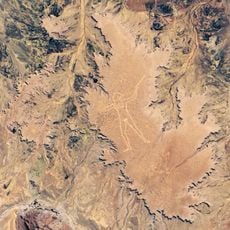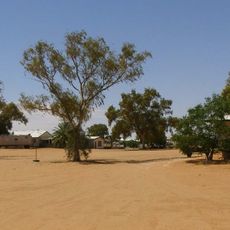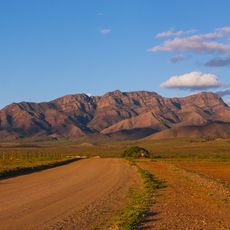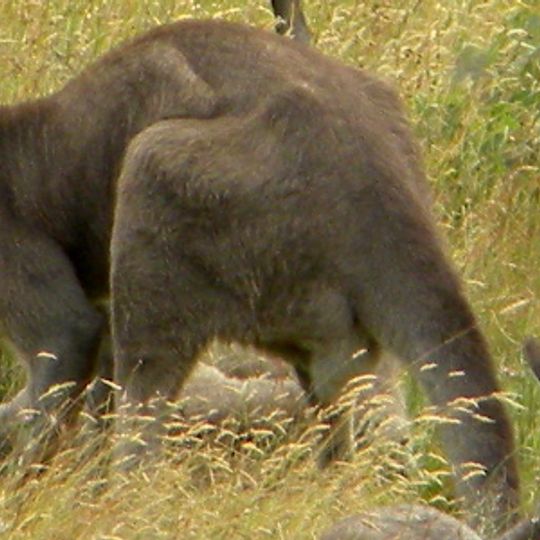
Australasian realm, Biogeographic realm in Australia.
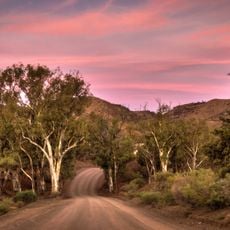
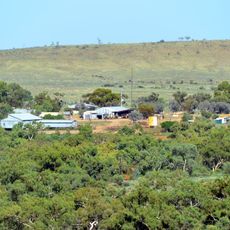
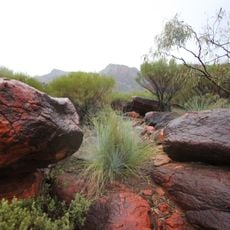
The Australasian realm is a biogeographic region spanning Australia, New Guinea, New Zealand, and numerous surrounding Pacific islands. This area contains diverse ecosystems ranging from tropical rainforests to temperate grasslands and temperate forests.
The realm took shape through millions of years of geological processes that positioned the continents and islands in their current locations. The Wallace Line, a biogeographic concept established in the 1800s, marks its northern boundary and separates it from other biological regions.
Scientific research in this region contributes to global understanding of species evolution and biodiversity patterns. Visitors can observe today how local communities and institutions study and protect their distinctive ecosystems through museums and conservation programs.
Those exploring this region should expect varying climates and geographical conditions depending on which part is visited. National parks and natural history museums in the larger countries and islands provide structured ways to observe local wildlife and plant life.
New Zealand developed without native land mammals, so bird species occupied habitats typically filled by mammals elsewhere. This evolutionary feature made these islands a laboratory for understanding adaptation and how species fill different ecological roles.
The community of curious travelers
AroundUs brings together thousands of curated places, local tips, and hidden gems, enriched daily by 92,005 contributors worldwide.