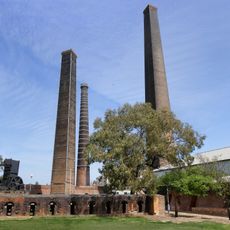
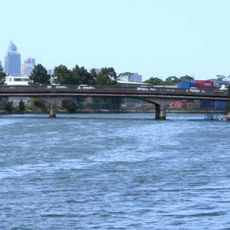
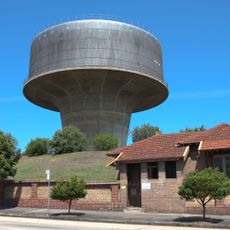
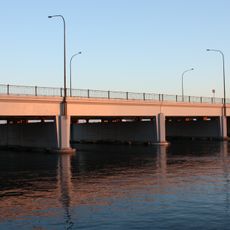
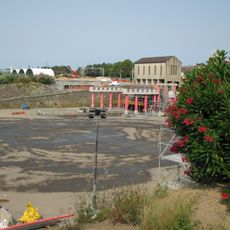
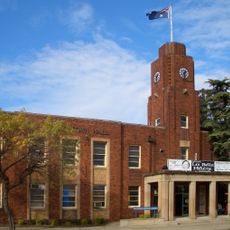
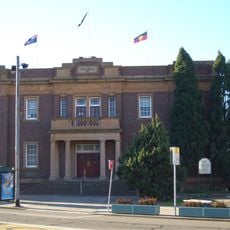
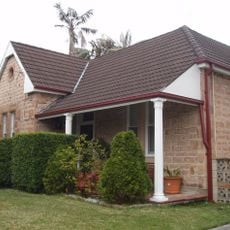
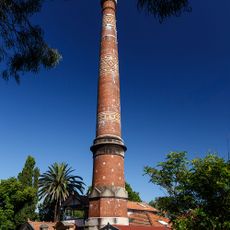
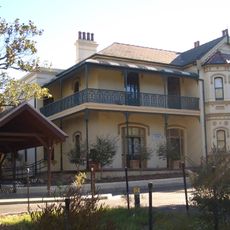
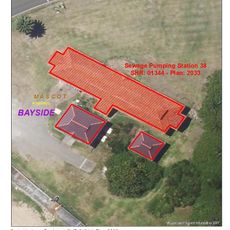
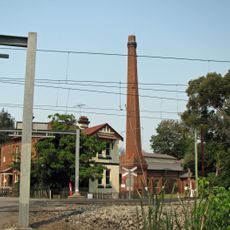
Western Outfall Main Sewer, Heritage sewerage infrastructure in Arncliffe, Australia.
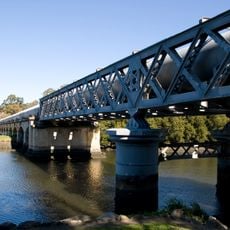
The Western Outfall Main Sewer is a brick and concrete wastewater pipe built in the 1890s beneath Sydney's southwest suburbs. It contains three separate channels running side by side, each 1.83 meters (6 feet) across, supported by heavy concrete arches that span over Wolli Creek.
Built between 1895 and 1898, the system was created to handle waste from Sydney's expanding suburbs and protect the harbor from pollution. This project marked a major step forward in how the city managed growth and public health during that era.
The structure shows how 19th-century engineers and builders solved practical problems with the materials and knowledge they had. Visitors can see the craftsmanship in the brickwork and understand how infrastructure grew as cities expanded.
The pipes run underground through several suburbs, with some sections visible above ground, especially near bridges and creek crossings. Much of the infrastructure lies beneath streets and buildings, so planned visits work better than random exploration.
The three separate channels merge together at the Premier Street Penstock Chamber, a critical junction point, before crossing Wolli Creek as an engineered aqueduct. This convergence of three separate systems at one location is a technical solution that most visitors never notice.
The community of curious travelers
AroundUs brings together thousands of curated places, local tips, and hidden gems, enriched daily by 60,000 contributors worldwide.