First Brisbane Burial Ground, Historic burial ground in Brisbane, Australia
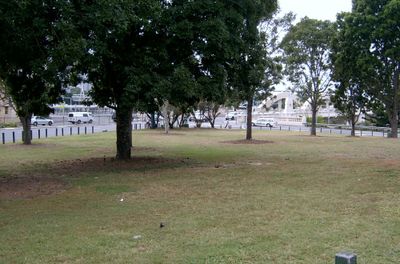
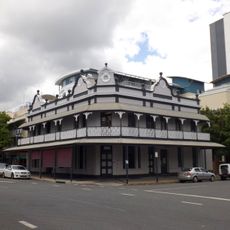
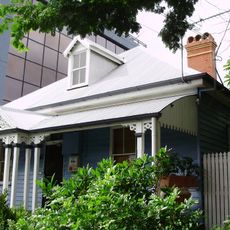
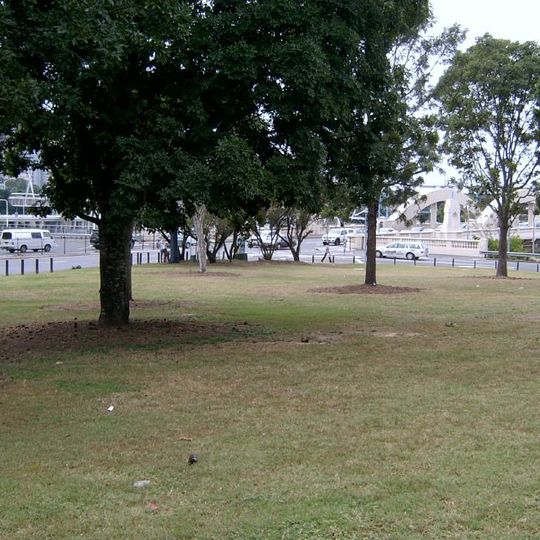
First Brisbane Burial Ground is a heritage-listed archaeological site on Skew Street in central Brisbane, also known as Skew Street Cemetery. The triangular former burial ground between North Quay and Eagle Terrace now lies beneath later streets, cottages and a factory site, with no headstones left standing above ground.
Established in 1825 when Lieutenant Henry Miller moved the Moreton Bay penal settlement from the Redcliffe Peninsula to the northern bank of the Brisbane River, the Skew Street cemetery served the settlement until the North Brisbane Burial Ground opened at Paddington/Milton in 1843. Of 265 recorded deaths in Brisbane over those 18 years, including 220 convicts, most were buried here. The land was sold at public auction in 1875.
The burial ground holds 265 recorded deaths from the penal settlement, including 220 convicts. Among those interred was surveyor Granville William Chetwynd Stapylton, believed killed near Mount Lindsay in May 1840; two Aboriginal men were later hanged at the Tower Mill for the killing. In 1881 three children's remains were exhumed and moved to Toowong Cemetery.
Archaeological work continues at the site, so access may be limited depending on ongoing investigations and excavations. Visitors should check current conditions before planning a visit to see which areas are open.
Only three burials were exhumed in 1881 and moved with their monuments to Toowong Cemetery: William Roberts, five years old and son of a Commissariat Department clerk, Peter Macauley, fifteen, son of a private of the 17th Regiment of Foot, and Jane Pittard, the twelve-month-old daughter of a colour sergeant of the 57th Regiment of Foot. All three children had died at the convict settlement between 1831 and 1833.
The community of curious travelers
AroundUs brings together thousands of curated places, local tips, and hidden gems, enriched daily by 94,167 contributors worldwide.