New Caledonia, Archipelago in the southwest Pacific, France
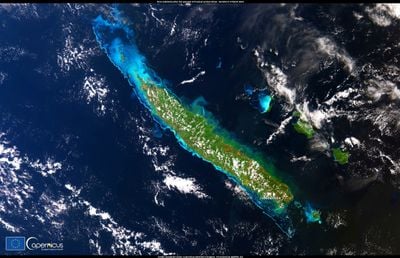
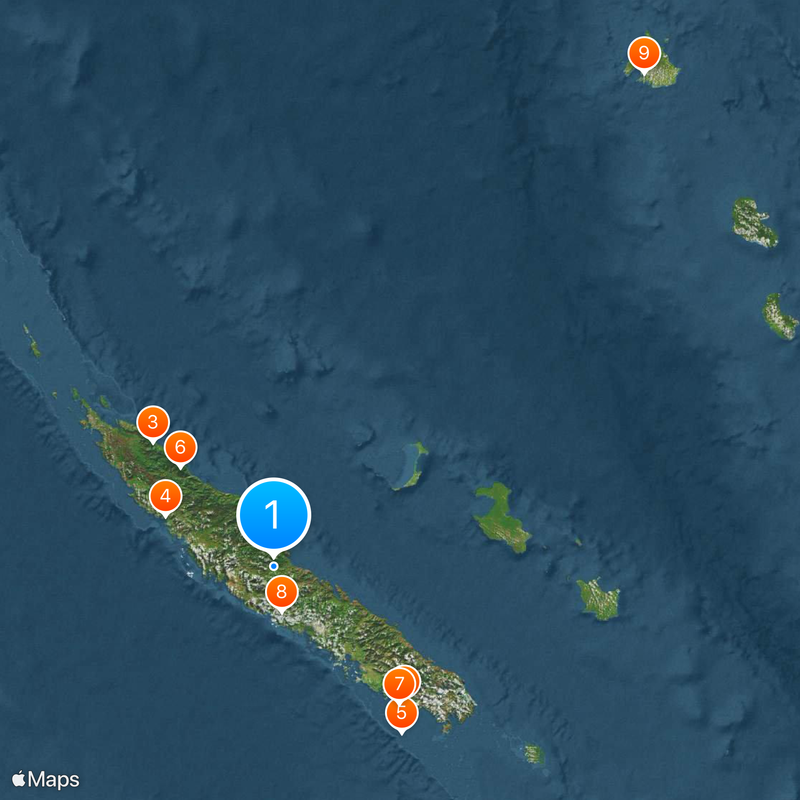
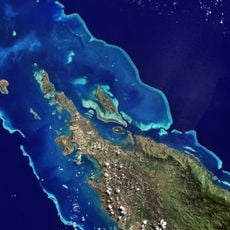
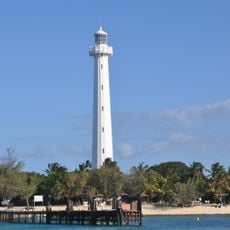
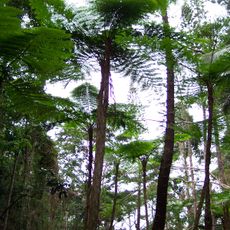
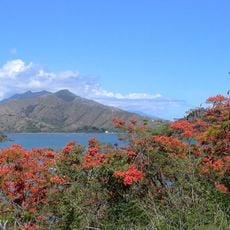
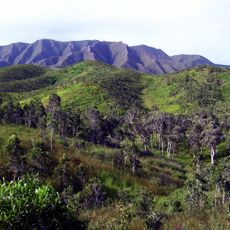
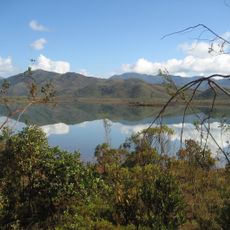
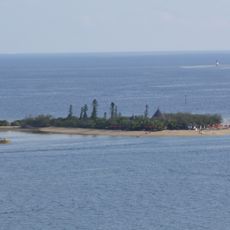
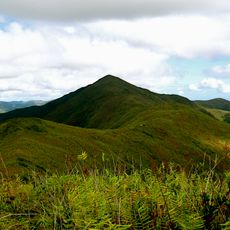
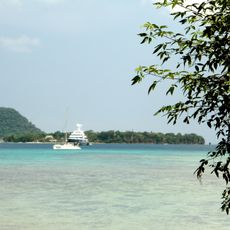
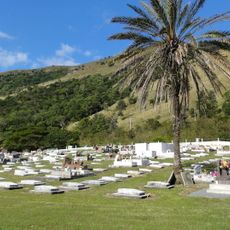
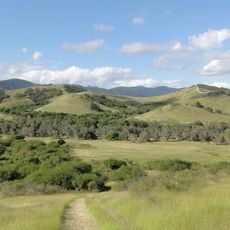
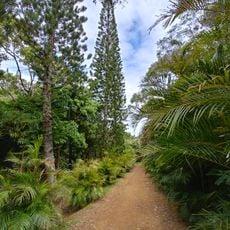
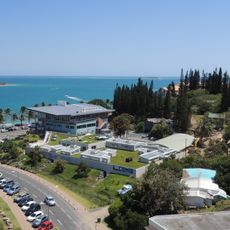
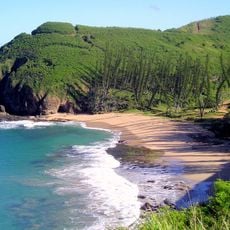
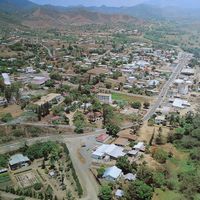
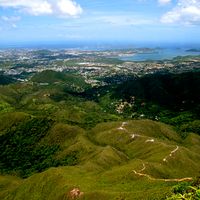
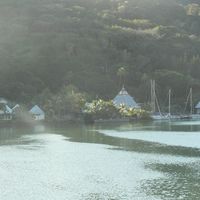
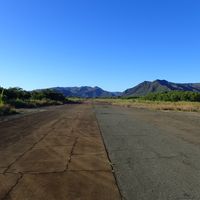
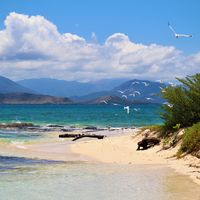
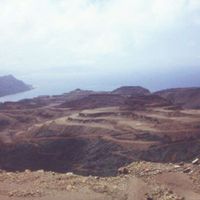
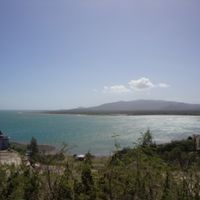
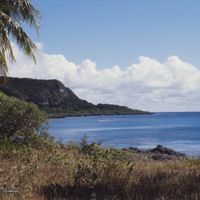
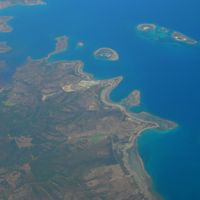
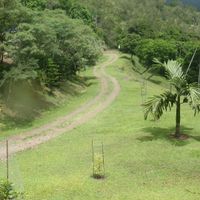
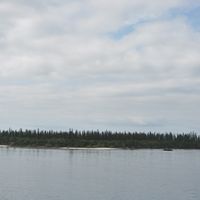
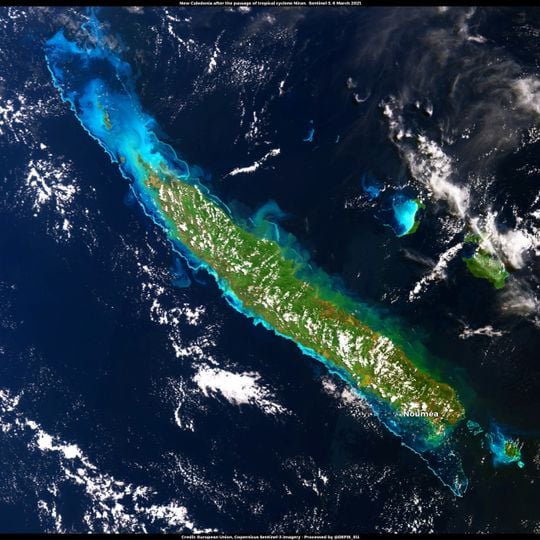
New Caledonia is an island group in the southwest Pacific where the largest landmass, Grande Terre, extends roughly 500 kilometers in length. The archipelago features dramatic terrain with mountains running down its center, coastal lowlands on both sides, and multiple smaller islands that create a scattered geography across the ocean.
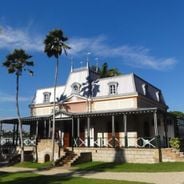
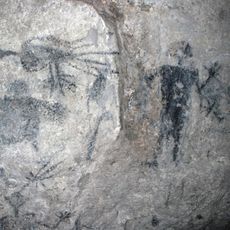
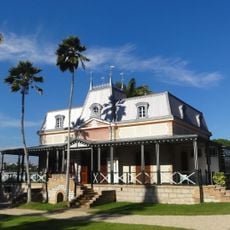
Melanesian seafarers settled the islands roughly 3,000 years ago, establishing communities whose descendants still live here today. France took control during the 19th century, initially operating a penal colony before the territory evolved into its current status as an overseas collectivity.
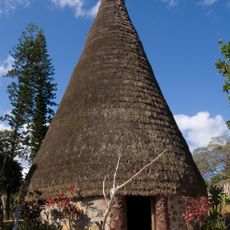
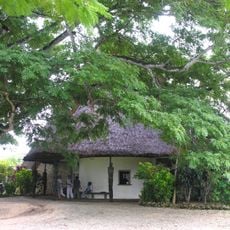
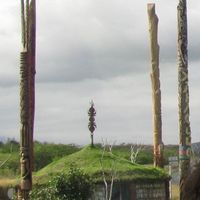
Kanak communities maintain their ancestral traditions through music, dance, and ceremonial gatherings that visitors can observe in villages across the islands. The local way of life blends these inherited practices with French elements, creating a distinct character visible in markets, food, and celebrations.
The warm season from November to March brings temperatures exceeding 30 degrees Celsius (86 degrees Fahrenheit) and frequent rainfall, while the cooler period from April to October offers milder and drier conditions. Visitors typically arrive via the international airport near the capital and use ferries or domestic flights to reach the surrounding islands.
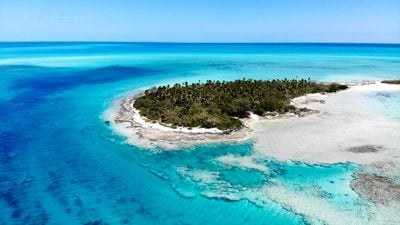
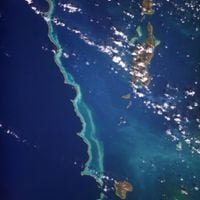
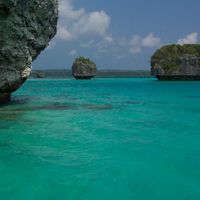
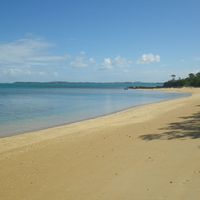
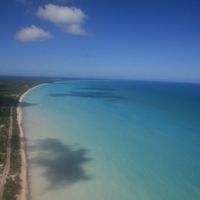
The archipelago contains the second-largest coral reef system on Earth, stretching roughly 1,600 kilometers and enclosing a massive lagoon. This reef ecosystem earned UNESCO World Heritage status due to its exceptional marine biodiversity and the countless fish and coral species inhabiting its waters.
The community of curious travelers
AroundUs brings together thousands of curated places, local tips, and hidden gems, enriched daily by 90,737 contributors worldwide.