Kealakekua, Census-designated place on Big Island, Hawaii, United States
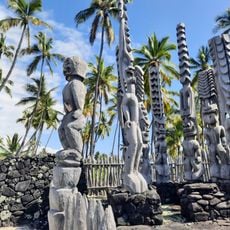
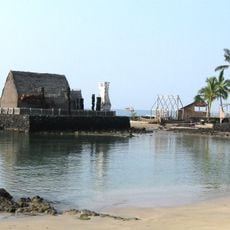
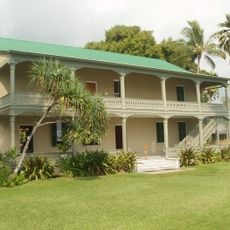
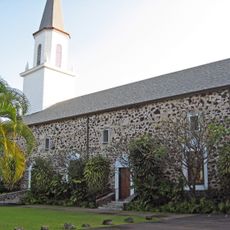
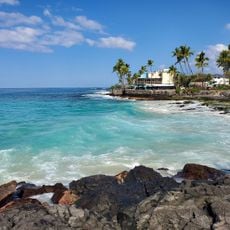
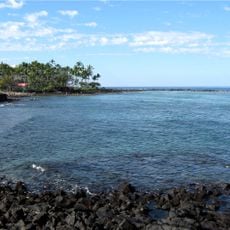
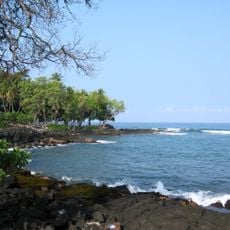
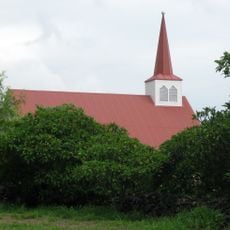
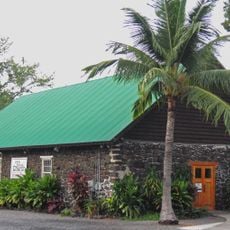
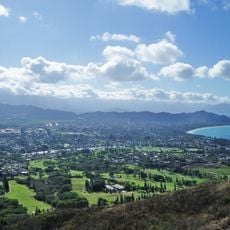
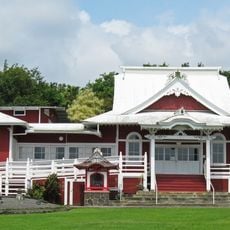
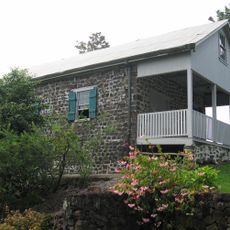
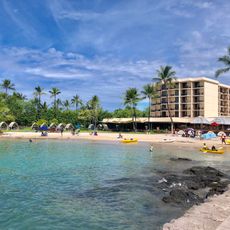
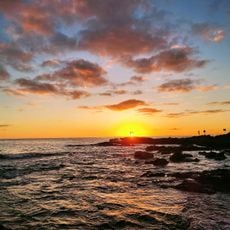
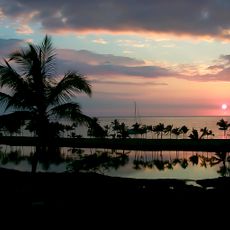
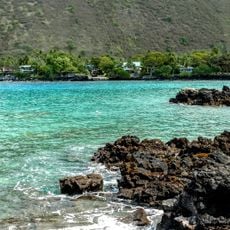
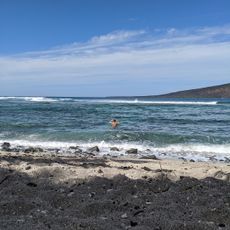
Kealakekua is a settlement on the western coast of Hawaii Island at 435 meters elevation, situated above Kealakekua Bay. The area features coastal landscapes that descend toward the water, combining residential sections with open spaces.
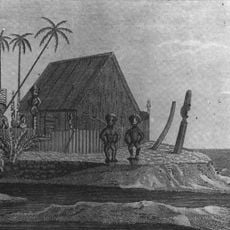
The area gained international significance in 1779 when British explorer Captain James Cook lost his life during a confrontation with local inhabitants. This event made Kealakekua a historically important site in European exploration of the Pacific.
The name means "pathway of the god" in Hawaiian and reflects the deep spiritual bond of indigenous people to this coastal region. This meaning still shapes how locals relate to their surroundings and understand the place's significance.
The area is reached via Highway 11, which connects it to other major locations on the western side of the island. Visitors can easily access beach attractions and explore the surrounding region.
The waters of the bay host populations of spinner dolphins and tropical fish that visitors can encounter while snorkeling or from boats. This marine diversity allows visitors to experience living ecosystems directly.
The community of curious travelers
AroundUs brings together thousands of curated places, local tips, and hidden gems, enriched daily by 91,373 contributors worldwide.