Kahaluu Bay, Historic district at Kahaluu Bay, Hawaii, US
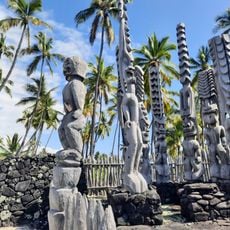
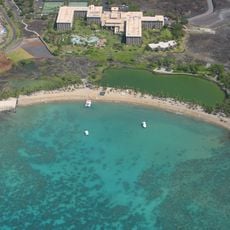
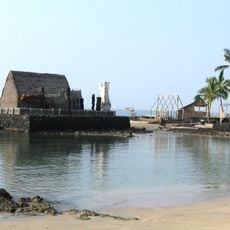
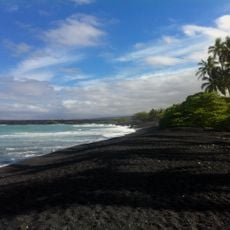
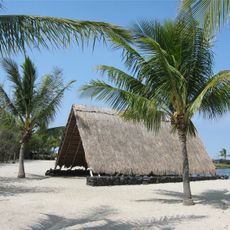
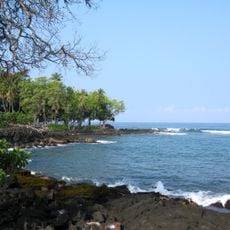
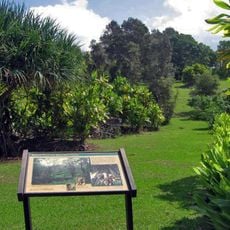
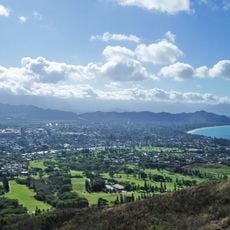
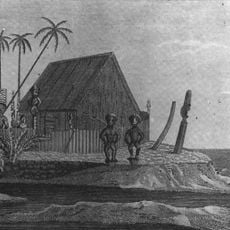
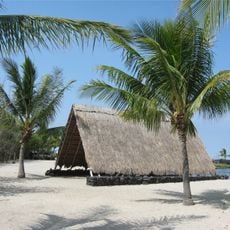
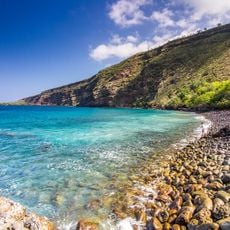
Kahaluʻu Bay is a historic district and recreation area on the Kona coast of the Big Island of Hawaiʻi, listed on the National Register of Historic Places since 1974. It holds about ten heiau built with dry-stack masonry (uhau humu pōhaku), including Kuʻemanu Heiau at the north end, and the breakwater Pa o ka menehune, which may have once enclosed the entire bay. Two ancient fishponds, Waikuaʻala and Poʻo Hawaiʻi, remain visible, and the south end became Kahaluʻu Beach County Park in 1953.
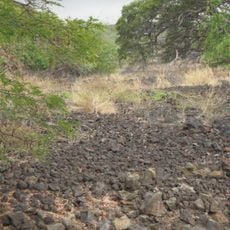
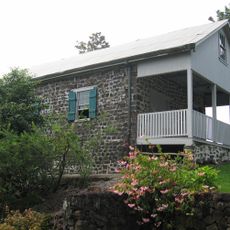
The area served as a royal residence during the 18th and 19th centuries, when a series of temples were built using dry-stack stone techniques without mortar. Over time, the decline of the Hawaiian monarchy brought an end to the ceremonial use of the site.
At the north end of the bay stands Kuʻemanu Heiau, a dry-stack stone platform where Hawaiian royalty watched surfers and which also served as a residence. Nearby is the Keawaiki canoe landing, still used by local surfers today, and a surf school operates across the street from the ancient landing.
The site sits along the shoreline and is best visited on foot, though some of the stone surfaces can be uneven or slippery near the water. Wearing sturdy shoes and staying off the old walls and temple platforms helps protect both the structures and the visitor.
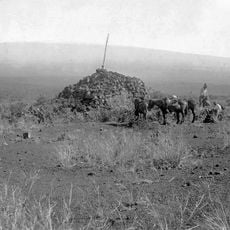
The Hapaialii Heiau was used as an astronomical observation point, helping ancient Hawaiians track the movements of stars and mark seasonal cycles. This practical role alongside its sacred function shows how knowledge and ritual were closely linked at this site.
The community of curious travelers
AroundUs brings together thousands of curated places, local tips, and hidden gems, enriched daily by 92,643 contributors worldwide.