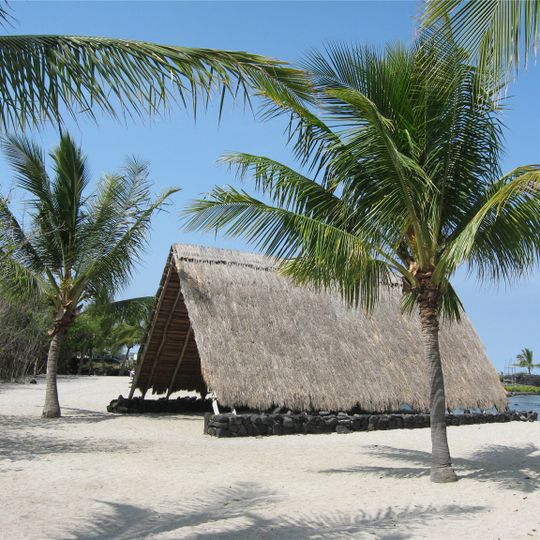
Kaloko-Honokōhau National Historical Park, Historic coastal park in Kailua-Kona, Hawaii, US.
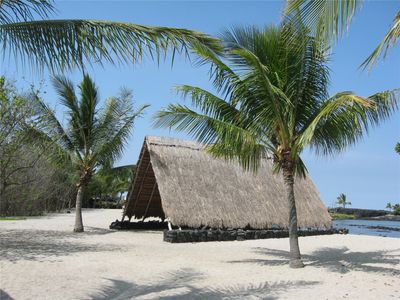
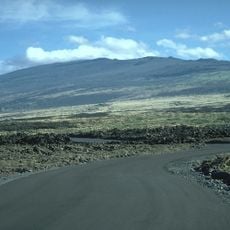
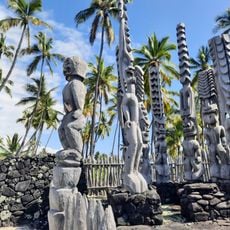
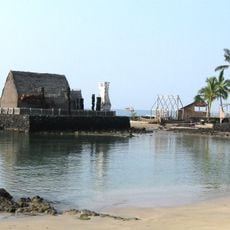
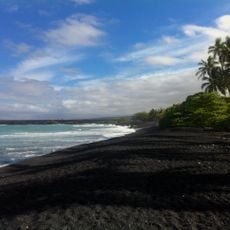
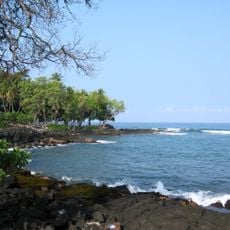
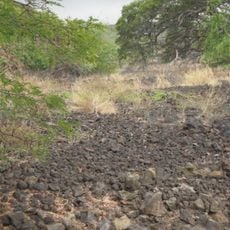
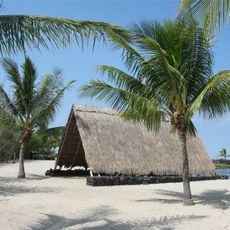
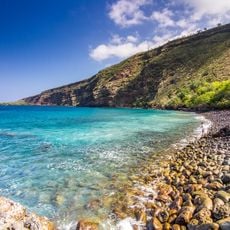
Kaloko-Honokōhau National Historical Park is a coastal park along the north Kona shore on the island of Hawaiʻi, covering black lava terrain with ancient settlement remains. The site contains residential foundations, temple platforms, carved rock panels, and two fishpond systems built with stone walls.
The area was first settled by early Polynesian arrivals and grew into a coastal community that remained active for many generations. It was established as a national park in 1978 to preserve the remains of this settlement for future study and public access.
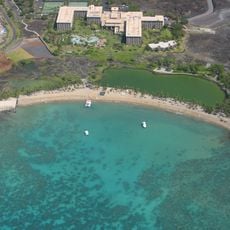
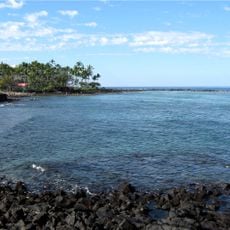
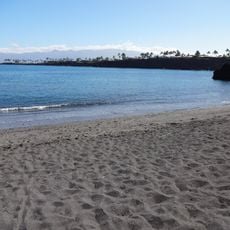
The name of the park comes from the two ancient fishponds that are still visible along the shoreline, reflecting how Native Hawaiians shaped the coast for food production. Walking through the site, you can see the remains of living areas and temple platforms that show how daily life was organized along this stretch of coast.
The paths along the coast are easy to follow, but the black lava underfoot can be rough and uneven, so sturdy shoes are a good idea. There is very little shade across the site, so bring water and sun protection, especially if you plan to visit around midday.
The ʻAiʻopio Fishtrap is a 1.7-acre pond enclosed by a stone wall along a naturally curved bay. Small openings let young fish in from the sea; once they grew larger, or at low tide, they were caught with nets inside the trap. The Honokōhau Settlement was designated a National Historic Landmark in 1962.
The community of curious travelers
AroundUs brings together thousands of curated places, local tips, and hidden gems, enriched daily by 92,729 contributors worldwide.