Diomede Islands, Remote archipelago in Chukotsky District, Russia.
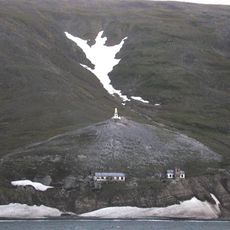
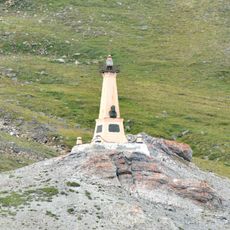
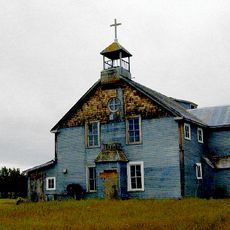
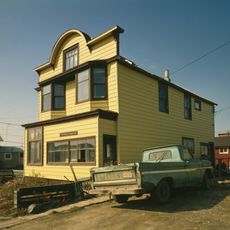
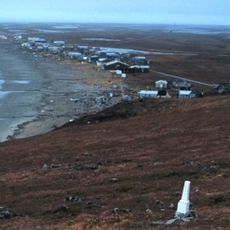
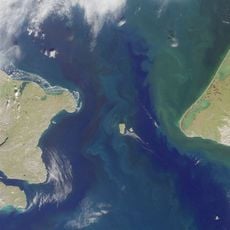
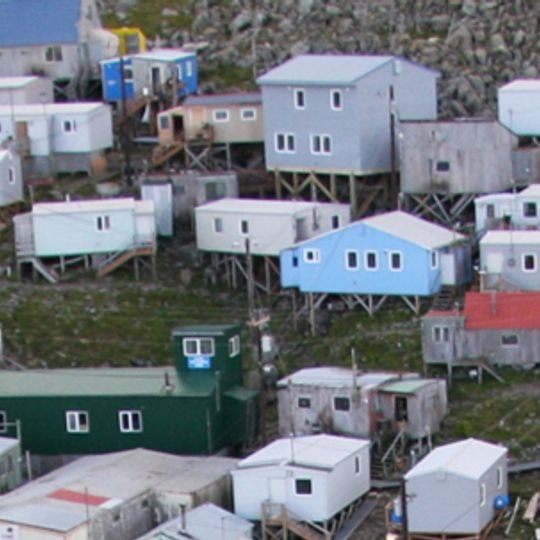
The Diomede Islands form two rocky rises in the Bering Sea, divided by a national border between Russia and the United States. The larger western island sits in Russian territory and remains uninhabited, while the smaller eastern island holds an American village of simple wooden houses.
Danish navigator Vitus Bering sighted these two islands in August 1728 during his exploration of the northern Pacific and named them after the Christian saint Diomedes. The border line between both landmasses was later established by the 1867 treaty when Alaska was sold to the United States.
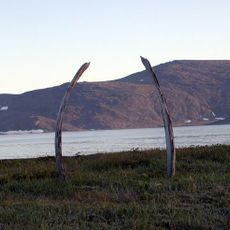
The Iñupiat community on the smaller island fishes year-round in icy waters and preserves a way of life passed down through many generations. Seals and walruses provide meat and bone, which residents carve into small pieces for daily use.
Strong winds and thick fog make crossing between the two islands difficult at any time of year, and only a few boats attempt the short passage through the strait. Visitors should prepare for extreme cold and rapid weather shifts, even in summer.
The International Date Line runs directly between both islands and creates a 21-hour time difference across a distance of less than four kilometers (2.5 miles). On clear days, residents on the American side can look across to the Russian shore and literally see into the future.
The community of curious travelers
AroundUs brings together thousands of curated places, local tips, and hidden gems, enriched daily by 60,000 contributors worldwide.