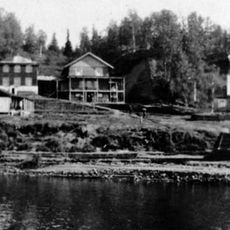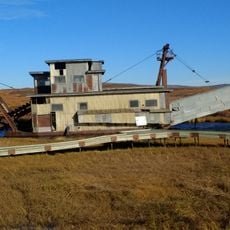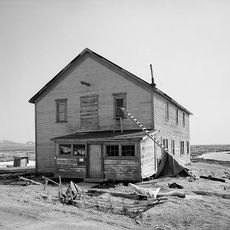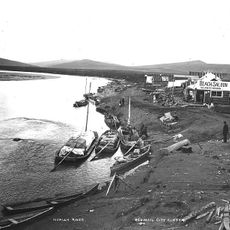
Cape Nome Mining District Discovery Sites, Mining historic district in Nome Census Area, United States.
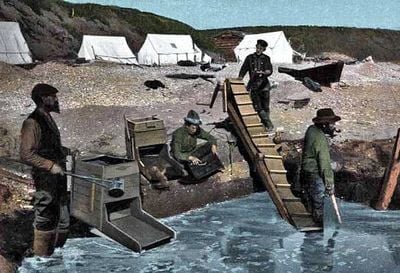
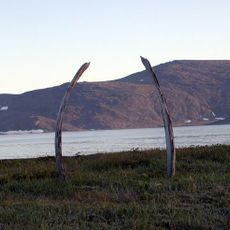
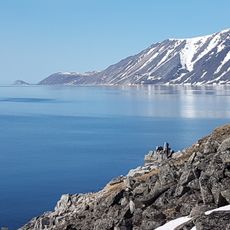
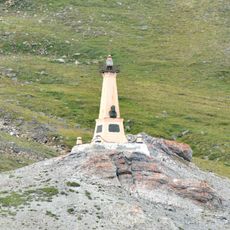
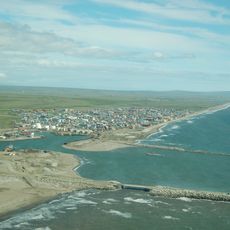
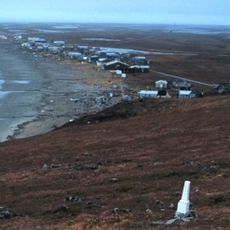
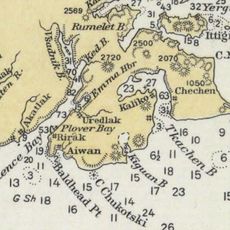
The Cape Nome Mining District is a gold mining area in western Alaska spanning multiple discovery sites from the late 1800s. The district includes several named claims such as Anvil Creek, Erik Lindblom Placer, Snow Creek Placer, and Nome Beach, each a focal point where prospectors worked the land.
Gold was first discovered at Anvil Creek in September 1898, triggering one of Alaska's largest mining movements. This discovery transformed a remote region into a major gold extraction center that drew prospectors from across North America.
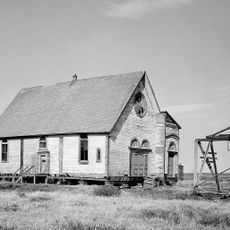
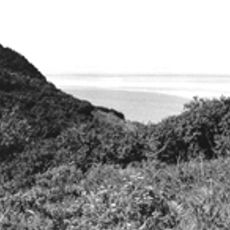
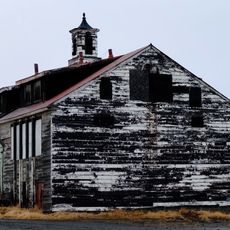
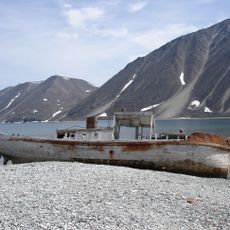
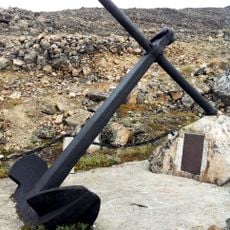
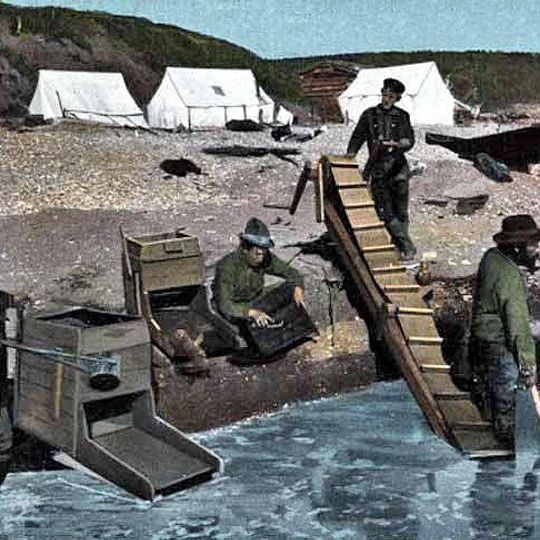
The site shaped Nome's identity as a gold rush town, where visitors today can see old mining equipment and abandoned claims scattered across the landscape. These remnants tell the story of the daily work and harsh conditions prospectors endured while seeking their fortunes.
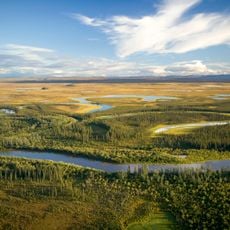
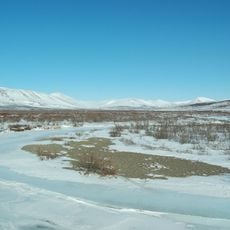
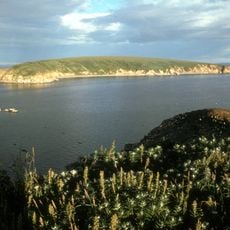
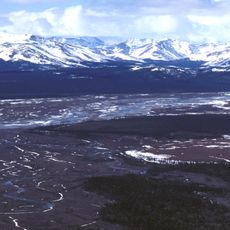
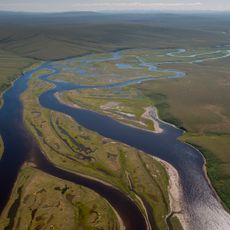
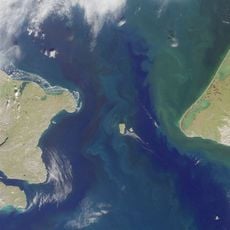
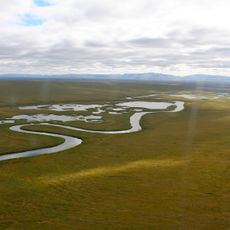
The site sits in a remote part of western Alaska and is accessible on foot, but requires preparation for harsh weather and challenging terrain. Visitors should bring sturdy gear and appropriate clothing since facilities in the area are limited.
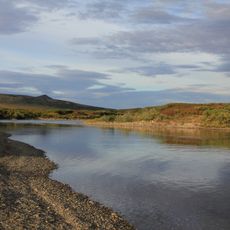
The district experienced an unusually brief but intense mining boom, with most deposits exhausted within roughly two decades of discovery. Today it stands as one of few places where visitors can see the physical scars of the gold rush alongside the now-quiet streams and creeks that once flowed with riches.
The community of curious travelers
AroundUs brings together thousands of curated places, local tips, and hidden gems, enriched daily by 91,270 contributors worldwide.