Trail Creek Caves, Archaeological site in Seward Peninsula, Alaska
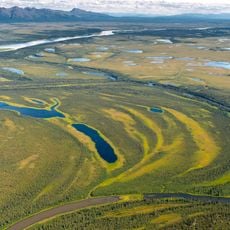
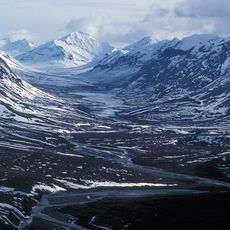
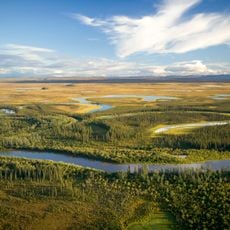
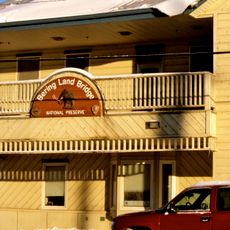
Trail Creek Caves is an archaeological site comprising twelve limestone caverns located along Trail Creek in northwestern Alaska. The site sits within Bering Land Bridge National Preserve in a remote area with restricted access.
Archaeological excavations between 1949 and 1950 uncovered stone tools and bone fragments dating back approximately 8,500 years. These findings revealed that humans first occupied this region much earlier than previously understood.
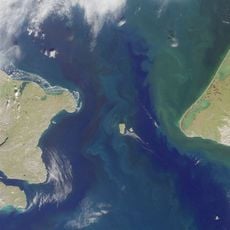
The caves lie in Bering Land Bridge National Preserve, named for the land connection that once joined Asia and North America. The 1949 tooth from Cave 2 belonged to a young child, and its DNA links to the Ancient Beringian population identified at the Upward Sun River site in the Tanana valley. The child carried a basal lineage of mtDNA haplogroup B2, unlike the derived B2 lineage usual in the Americas.
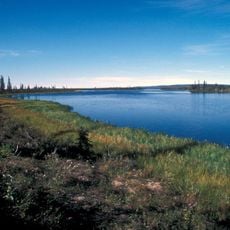
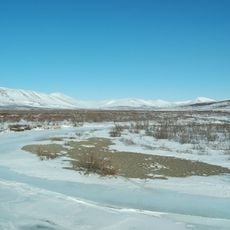
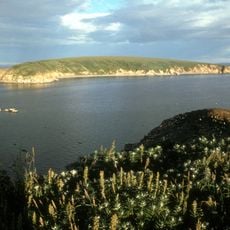
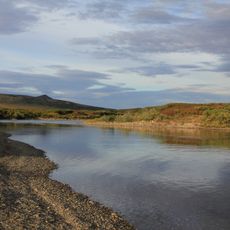
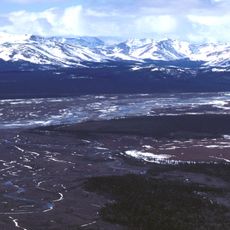
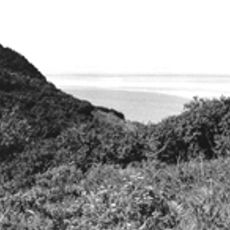
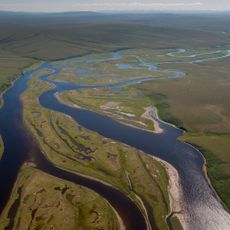
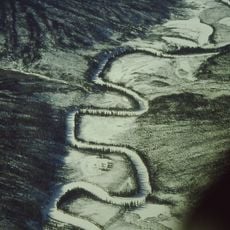
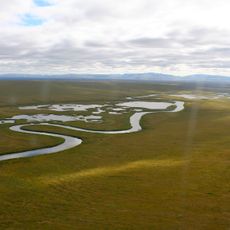
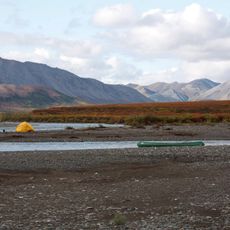
The caves lie along Trail Creek near its mouth at Cottonwood Creek, in the Northwest Arctic Borough within Bering Land Bridge National Preserve, a roadless area of the Seward Peninsula. Reaching them means travelling through remote backcountry from Deering and other nearby communities, so plan for the terrain and weather rather than for a formal visitor facility.
A tooth recovered from one of the caves dates back roughly 9,000 years and revealed genetic material showing these early residents had ancestry distinct from later populations. This DNA evidence reshaped understanding of how the region was initially colonized.
The community of curious travelers
AroundUs brings together thousands of curated places, local tips, and hidden gems, enriched daily by 94,187 contributors worldwide.