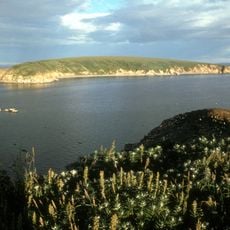
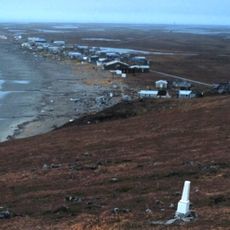
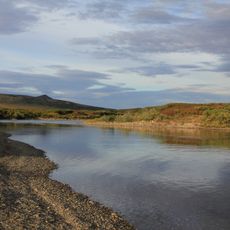
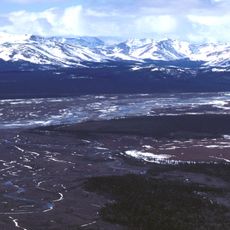
Pilgrim Hot Springs, Ghost town and National Register site on the Seward Peninsula, Alaska
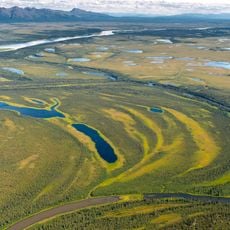
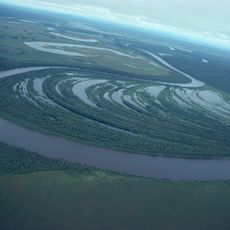
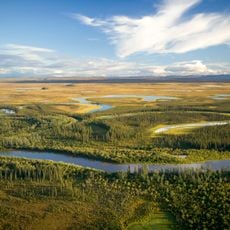
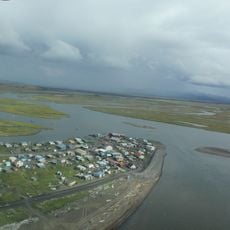
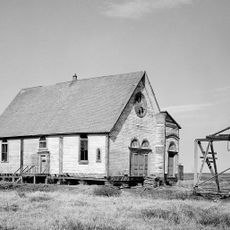
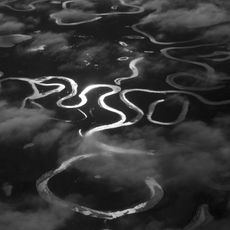
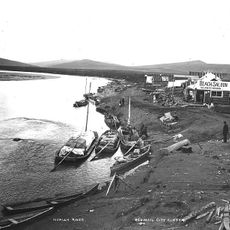
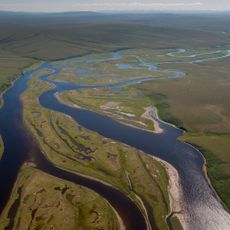
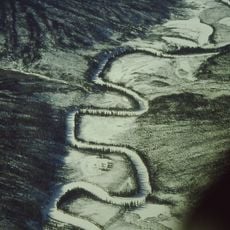
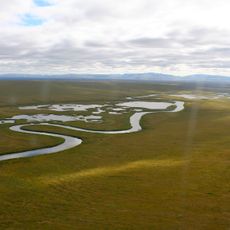
Pilgrim Hot Springs is a ghost town on the southeast bank of the Kruzgamepa River, about 8 miles south of milepost 65 of the Kougarok Road. The site holds remains of log buildings from 1900–03, later orphanage structures, and a rock-lined soaking pool built by the current Native-led consortium. The hot springs themselves are the central feature.
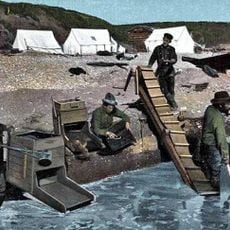
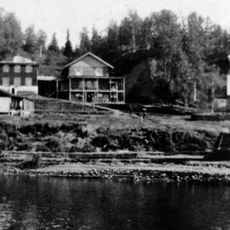
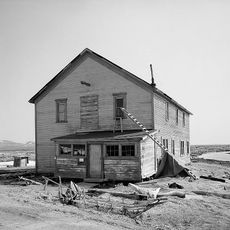
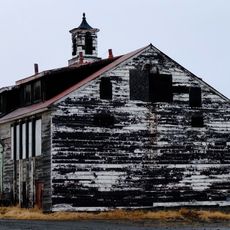
Log cabins, a barn and a chicken house were built at the springs in 1900–03, followed by a roadhouse and saloon after 1903; these burned in 1908, after the mining boom had ended. In 1918 the Roman Catholic Diocese of Nome opened a large orphanage with a church, dormitory, school and greenhouses, heated by water piped from the springs. It closed in 1941 and then served as a military recreation facility until the end of World War II.
The Iñupiaq Qawiaraq name for the springs is Unaatuq, "warm waters," used for thousands of years for bathing and gathering medicinal and edible plants. In 1918 Jesuit father Bellarmine Lafortune founded a school and orphanage here; a supply ship then brought influenza, and the Indigenous population fell from 300 to 176 dead. Survivors were placed in missionary schools.
To visit, you need a free recreational permit and must drive roughly 110 kilometers from Nome in a four-wheel-drive vehicle. The final gravel road section demands careful driving, especially during wet seasons.
The thermal springs reach roughly 81 degrees Celsius and kept water flowing year-round in a region where freezing typically blocks all water sources. This natural heat made settlement possible in an otherwise uninhabitable location.
The community of curious travelers
AroundUs brings together thousands of curated places, local tips, and hidden gems, enriched daily by 92,639 contributors worldwide.