Yukon Island Main Site, Archaeological site in Kenai Peninsula Borough, Alaska.
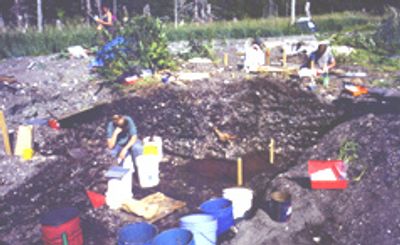
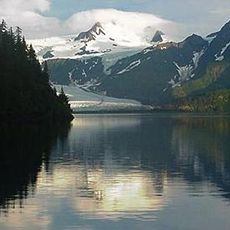
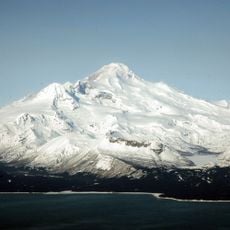
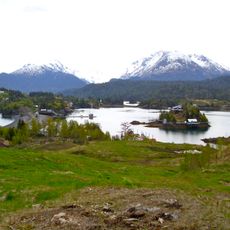
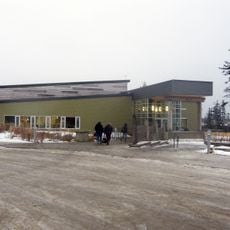
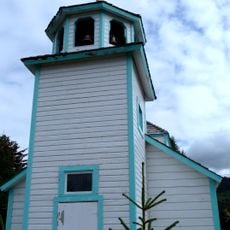
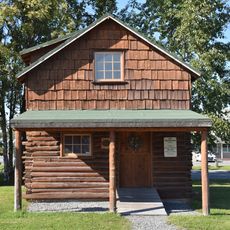
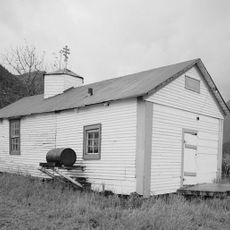
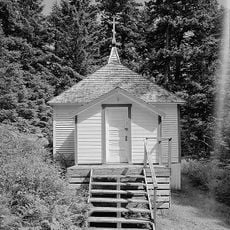
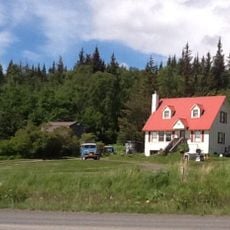
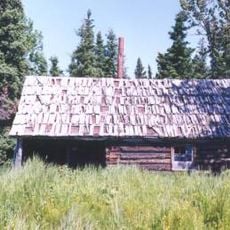
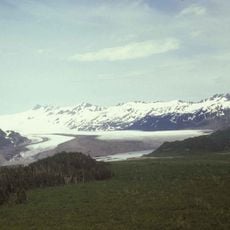
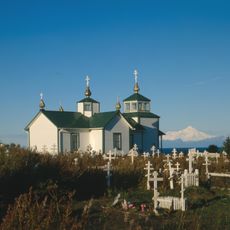
Yukon Island is an archaeological site in outer Kachemak Bay with steep cliffs that rise roughly 500 feet (150 meters) above the water. The island spans several square kilometers and displays layers of different settlement periods visible through artifacts and structures scattered across its surface.
The site contains evidence of human settlement reaching back to around 2500 BC and continuing through multiple time periods to the present. These lengthy timeframes reveal that different peoples inhabited and used the island continuously across thousands of years.
The island served as a meeting point where Athabascan, Yupik, and Aleut territories came together. Local groups left their marks at this strategic location, making it a crossroads of different cultures and ways of living.
Access to the island requires special permission due to its protected status as an archaeological site and National Historic Landmark. Getting there depends on boat travel, and weather conditions can affect when visits are possible throughout the year.
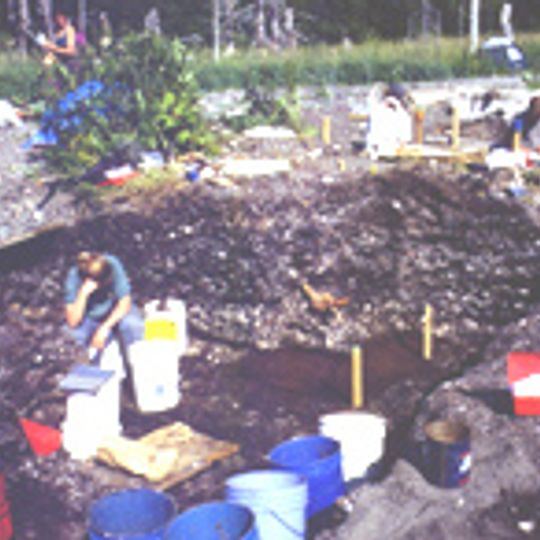
A 1964 earthquake caused the island to subside by about 2 feet (60 centimeters), setting off coastal erosion that continuously exposes archaeological materials. This erosion has ironically aided research by revealing artifacts and layers that would otherwise remain hidden.
The community of curious travelers
AroundUs brings together thousands of curated places, local tips, and hidden gems, enriched daily by 60,000 contributors worldwide.