Kenai National Wildlife Refuge, National Wildlife Refuge in Kenai Peninsula, Alaska
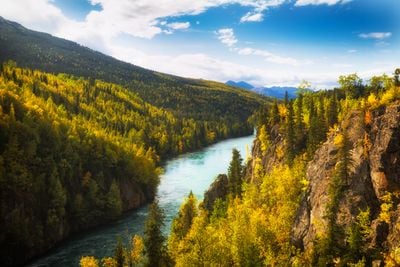
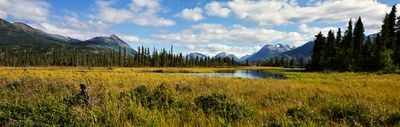
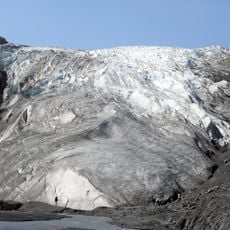
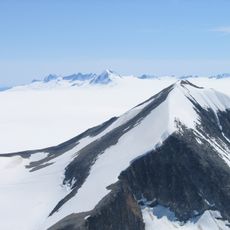
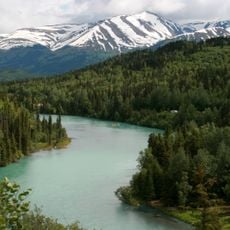
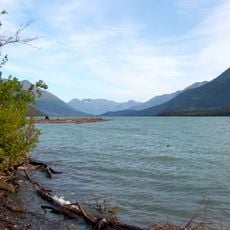
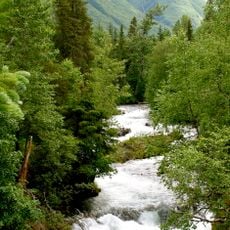
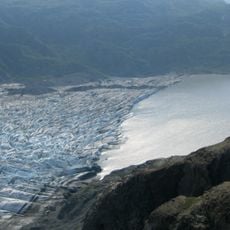
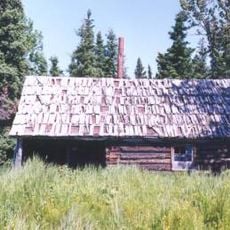
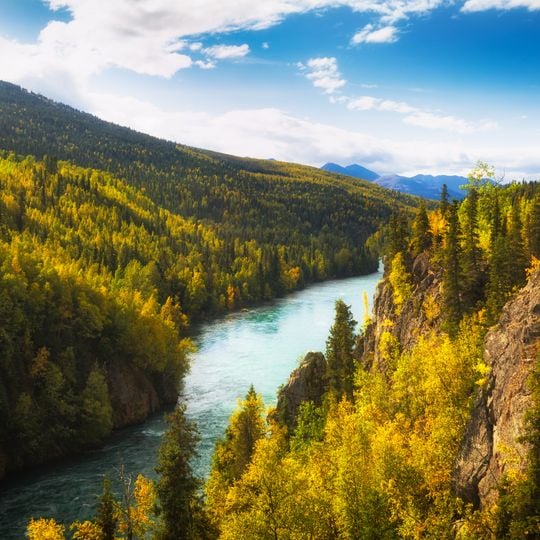
Kenai National Wildlife Refuge sprawls across two million acres with ice fields, glaciers, tundra, forests, coastal wetlands, and the Kenai River system. Public cabins and campgrounds dot the landscape, accessible via the Sterling Highway.
President Franklin Roosevelt created this area in 1941 as Kenai National Moose Range to protect moose populations from commercial hunting. Its original purpose was later expanded to safeguard a broader range of wildlife and habitats.
The Dena'ina people call this land 'Yaghanen' and have hunted and lived here for thousands of years. Their connection to the landscape remains visible in how the region is understood and used today.
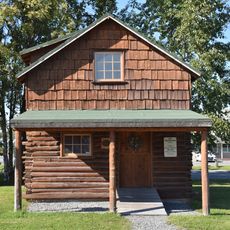
Two developed campgrounds sit at Hidden Lake and Skilak Lake, reached from Skilak Lake Loop Road, which meets the Sterling Highway at both ends. Sixteen cabins are rented by reservation, some reachable only by boat. Over 110 miles of trails start from the Sterling Highway, Swanson River Road and the visitor center in Soldotna.
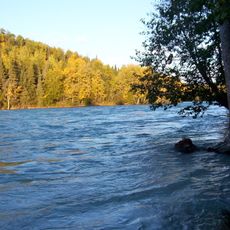
The Swan Lake Canoe Trail runs 60 miles from Canoe Lake to either Portage Lake or the confluence of the Moose and Kenai rivers near Sterling. The longer Swanson River Canoe Route covers 80 miles, starting at Paddle Lake or Gene Lake and ending where the Swanson River meets Cook Inlet at Captain Cook State Park.
The community of curious travelers
AroundUs brings together thousands of curated places, local tips, and hidden gems, enriched daily by 93,290 contributors worldwide.