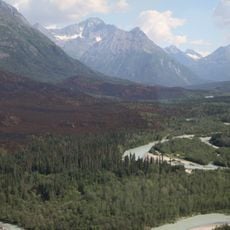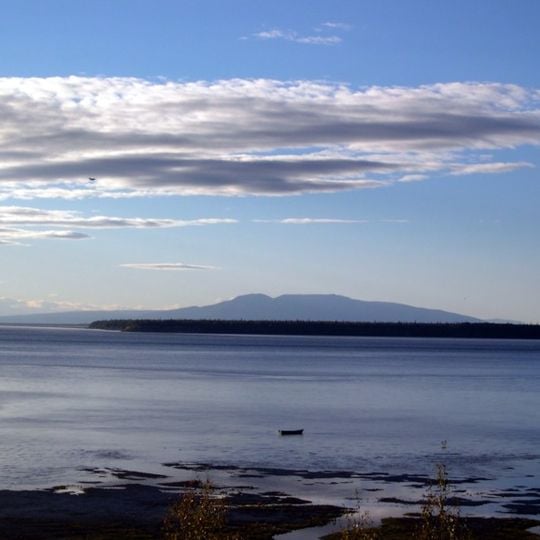
Cook Inlet, Tidal inlet in south-central Alaska, United States
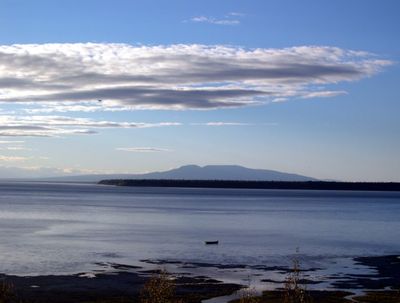
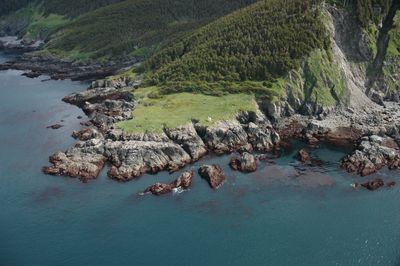
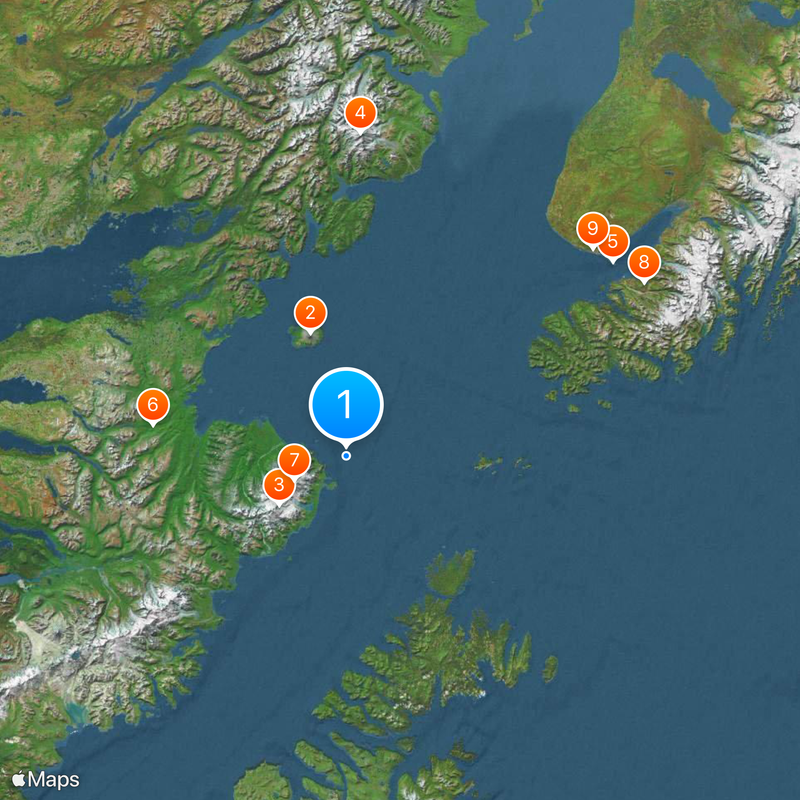
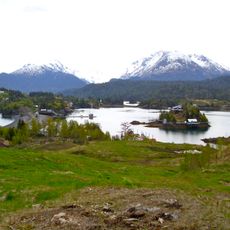
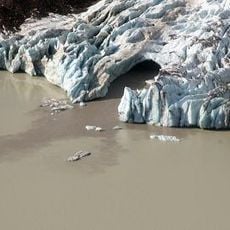
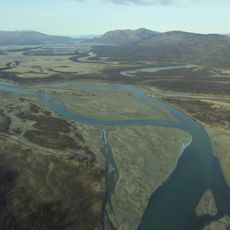
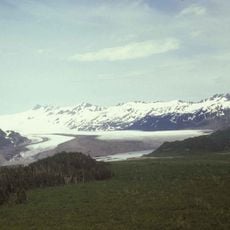
Cook Inlet is a tidal waterway in south-central Alaska that stretches roughly 180 miles and connects to the Gulf of Alaska through several channels. The body of water features varying widths and receives fresh water from multiple glacier-fed rivers flowing from inland mountains.
The Denaina people established settlements along its shores thousands of years ago, relying on the water's abundance for survival. Later exploration by European traders transformed the region into a center for commerce and resource extraction.
The Denaina people named this waterway Tikahtnu, meaning Big Water River, showing how central this body of water was to their way of life. The name itself reflects the respect and deep connection that indigenous communities had to this resource.
Commercial fishing operates year-round in these waters, with salmon, halibut, and cod being the main catches for local fleets. Visitors should prepare for harsh weather conditions and strong tidal currents when exploring this area.
These waters experience some of North America's most extreme tidal swings, with differences reaching up to 40 feet between high and low tide. Such dramatic shifts shape the landscape and affect how vessels and fishermen must plan their time on the water.
The community of curious travelers
AroundUs brings together thousands of curated places, local tips, and hidden gems, enriched daily by 60,000 contributors worldwide.