Beluga Point Site, Archaeological site at Turnagain Arm, Alaska.
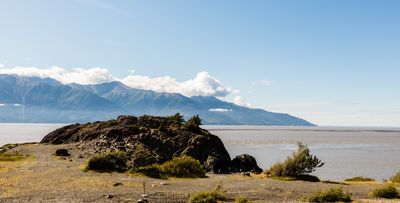
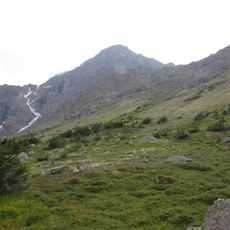
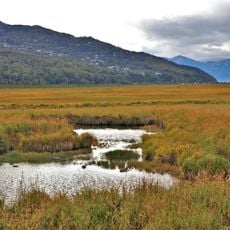
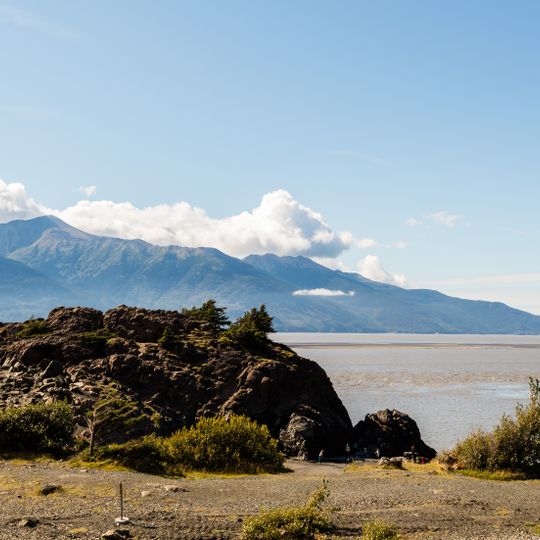
Beluga Point Site is an archaeological location at Milepost 110 of the Seward Highway, on the Turnagain Arm of Cook Inlet south of Anchorage. The site covers two areas, Beluga Point North 1 and Beluga Point South 1 and 2, where stone artifacts were found. It is also a wildlife viewing area managed by the Alaska Department of Fish and Game.
Beluga Point Site was listed on the National Register of Historic Places on March 30, 1978, as site 49ANC-054. Artifacts from Beluga Point North 1 date to 8,000–10,000 years ago and are considered the oldest evidence of habitation in the Anchorage municipality. Finds at Beluga Point South 1 and 2 are about 3,500–4,000 years old, with later material dated to 600–800 years ago.
Beluga Point is a state wildlife-viewing area managed by the Alaska Department of Fish and Game. Each July and August, hundreds of beluga whales enter Cook Inlet to feed on the Pacific salmon run, and visitors watch them from the highway pullout at Milepost 110.
Beluga Point Site sits at Milepost 110 on the Seward Highway along Turnagain Arm, south of Anchorage, with paved parking at the roadside pullout. The overlook is exposed to wind and fast weather changes off the inlet, so bring layers. The archaeological deposits are protected; stay on the paved paths and platforms rather than walking the rocky outcrops.
The site's name comes from the white whales that pass by in notable numbers between July and August, making them visible from the rocky outcrops year after year. This seasonal gathering has drawn observers and hunters to this same spot for thousands of years.
The community of curious travelers
AroundUs brings together thousands of curated places, local tips, and hidden gems, enriched daily by 92,921 contributors worldwide.