Imala, Rural municipality district in Culiacán, Mexico.
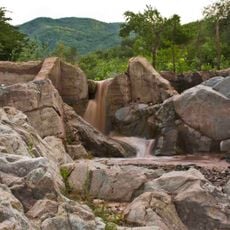
Imala is a rural administrative district northeast of Culiacán that centers on natural thermal springs with mineral-rich sulfurous waters. The site includes several bathing pools, changing areas, rest zones with palapas, restrooms, and a restaurant serving visitors to the hot springs.
The area was reached in 1531 by Spanish explorer Nuño Beltrán de Guzmán and became an important point for transporting minerals from the Topia and Canelas mines. This early connection to mining shaped the settlement's growth and importance over following generations.
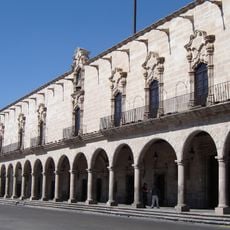
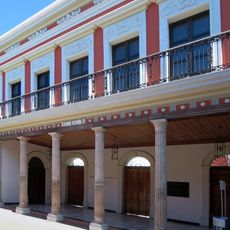
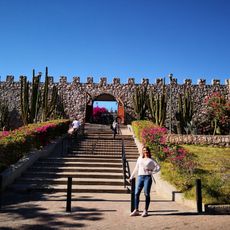
The name Imala comes from indigenous language roots referring to water and its movement, showing the original connection of this land to the communities that lived here. Visitors today see how this heritage appears in the local architecture and the way the settlement is built around its natural water features.
The thermal site is easy to access and equipped with everything swimmers need, including changing rooms and covered rest areas for longer visits. Morning visits work well since the facility is less crowded and allows you to better enjoy the natural surroundings.
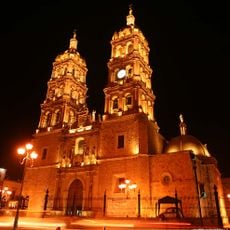
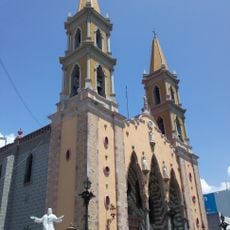
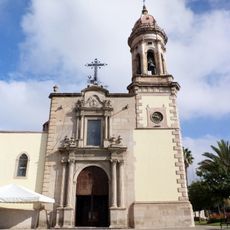
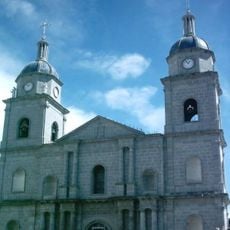
The local church stands out for its unusual color scheme with red and ochre bricks topped by red domes. Adjacent to it lies a plaza with cobblestone paving that preserves the historic character of the settlement.
The community of curious travelers
AroundUs brings together thousands of curated places, local tips, and hidden gems, enriched daily by 92,647 contributors worldwide.