Timken Museum of Art, Art museum in Balboa Park, San Diego, US
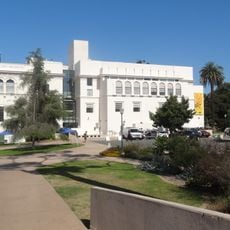
The Timken Museum of Art is a white modern building of marble and bronze in Balboa Park, designed by Frank L. Hope and Associates and funded by the Timken family. It opened in 1965 on the site of the former Home Economy Building, torn down in 1963, and holds a five-room gallery where European old master paintings, sculptures and tapestries are shown under natural light.
The Putnam Foundation, formed in 1951 by Walter Ames with sisters Amy and Anne Putnam, first lent its collection to museums across the United States. When the Timken opened in 1965, that collection became its founding material and Ames became its first director. The building replaced the former Home Economy Building, torn down in 1963, and was designed by Frank L. Hope and Associates with funding from the Timken family.
The collection brings together Italian, Spanish, and French masters alongside Russian icons and American works, reflecting how different artistic traditions shaped each other. Visitors can trace connections between European painting and other cultural expressions across the centuries.
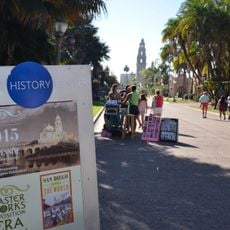
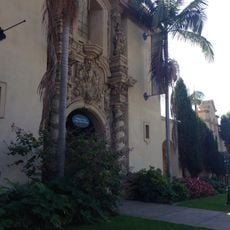
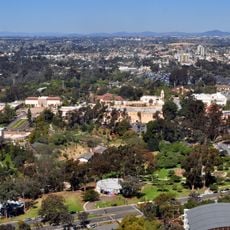
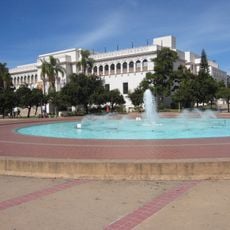
The Timken stands on the site of the former Home Economy Building of the 1915 Panama–California Exposition, next to the San Diego Museum of Art in Balboa Park. Its five-room gallery is entered from the park's central plaza, and the marble and bronze exterior is easy to pick out from the surrounding Spanish Colonial buildings.
The collection includes Russian icons displayed alongside European paintings and American artworks, an unusual combination not often seen in American museums. This mix offers visitors an unexpected perspective on artistic traditions from different cultures and time periods.
The community of curious travelers
AroundUs brings together thousands of curated places, local tips, and hidden gems, enriched daily by 94,060 contributors worldwide.