Pinacate Peaks, Volcanic peaks in Sonora, Mexico.
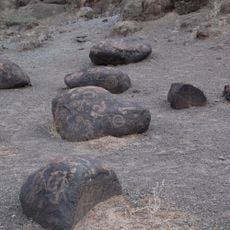
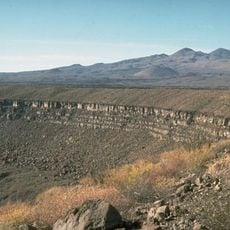
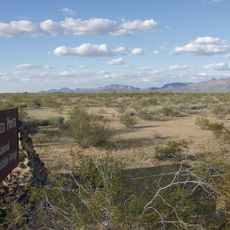
Pinacate Peaks is a volcanic complex in the Sonoran Desert composed of hundreds of cinder cones and extensive lava fields. The highest point reaches approximately 1,190 meters, creating a stark landscape of dark rock formations.
The peaks formed over millions of years through repeated volcanic eruptions and magma-water interactions beneath the surface. In the 1960s, the site became a training ground for astronauts preparing for lunar missions.
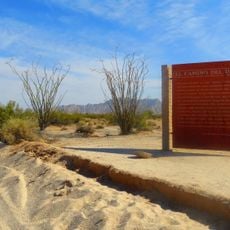
The name Pinacate comes from the Nahuatl word pinacatl, for the desert stink beetle found here. The Tinaja de los Pápagos is a ceremonial and sacred site for the Tohono O'odham, whose ancestral memory is tied to the desert. Near El Trébol crater, a rock bears the date carved by NASA astronauts during their training.
The site is best visited by vehicle, with access via Mexican roads from nearby towns. Bring plenty of water, fuel, and supplies since the area is remote and offers little in the way of services.
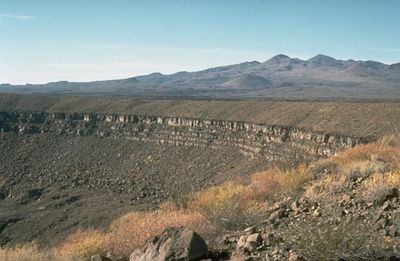
NASA trained Apollo 14 astronauts Alan Shepard and Ed Mitchell and Apollo 17's Jack Schmitt here in February 1970, and a rock at El Trébol crater (also called Cráter Molina) bears the date they carved into it. El Trébol, 460 m across and 76 m deep, was formed where three small craters intersect, giving it the shape of a clover leaf.
The community of curious travelers
AroundUs brings together thousands of curated places, local tips, and hidden gems, enriched daily by 93,676 contributors worldwide.