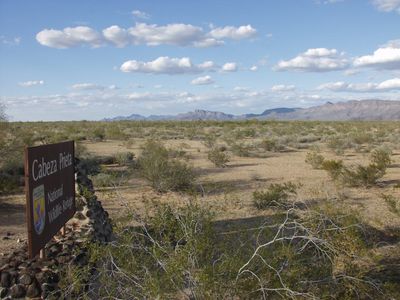
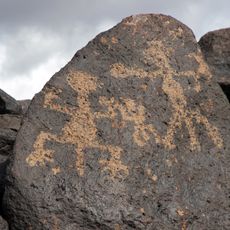
Cabeza Prieta Wilderness, Protected wilderness area in southwestern Arizona, United States
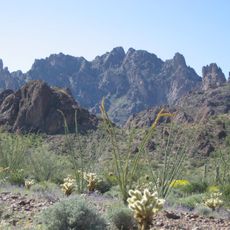
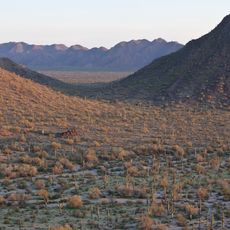
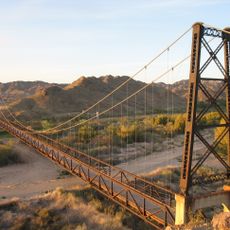
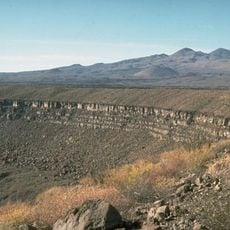
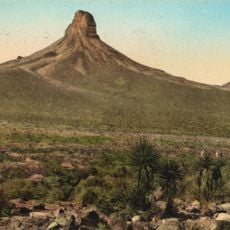
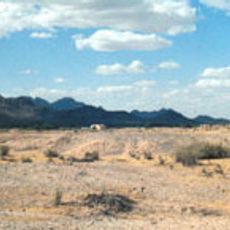
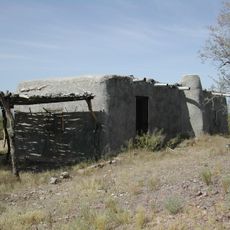
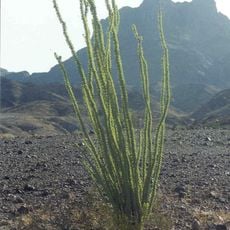
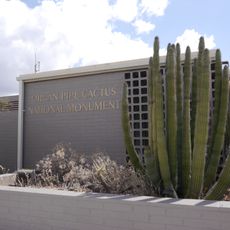
Cabeza Prieta Wilderness is a protected desert land in the far southwestern corner of Arizona, near the Mexican border, made up almost entirely of Sonoran Desert terrain. The landscape is shaped by bare mountain ranges, flat valleys, and open ground covered with cacti and low desert shrubs.
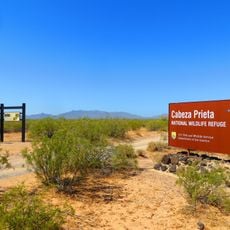
The area was first set aside as a national wildlife refuge in 1939, then used for decades by the US Air Force as a bombing and gunnery range. The Wilderness Act of 1990 gave it formal wilderness status and permanently restricted motorized activity within its borders.
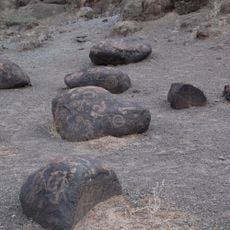
The name "Cabeza Prieta" comes from Spanish and means "dark head," a reference to the black desert-varnished rocks found throughout the terrain. Visitors who look closely at the hillsides will notice these darkened stones, which give the area its name.
A free visitor permit is required before entering and must be obtained in advance. The area is very remote with no water sources, so carrying enough water and being prepared for extreme heat are essential for any trip here.
The wilderness is the reputed burial ground of environmentalist and author Edward Abbey, who wrote about the desert Southwest. Visitors may also come across undetonated bombs from the adjacent Barry M. Goldwater Air Force Range, and the area can be closed temporarily for training exercises.
The community of curious travelers
AroundUs brings together thousands of curated places, local tips, and hidden gems, enriched daily by 93,766 contributors worldwide.