Gatlin Site, Archaeological site in Gila Bend, Arizona, US
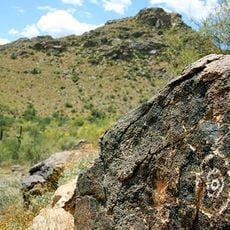
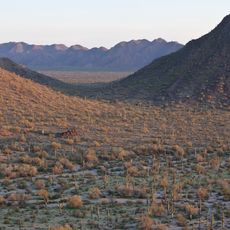
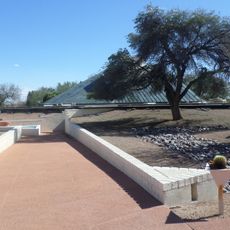
The Gatlin Site is an archaeological site on a plateau above the Gila River in Gila Bend, Arizona. It preserves one of the few documented Hohokam platform mounds, along with pit houses, two ceremonial ball courts, middens and prehistoric canals. The site is the largest in the area and was home to over 500 people.
The settlement was inhabited between 800 and 1200 and was rediscovered through excavations in 1959, revealing that hundreds of people lived there. This discovery helped archaeologists better understand the early societies of the region.
The site's two ceremonial ball courts point to public ritual, not just trade. The Hohokam played a ball game on oval courts, and the Gatlin Site's pair marks it as a ceremonial centre of the Sedentary Period. Visitors can see the outlines of these courts beside the platform mound.
The site lies on a plateau above the Gila River in Gila Bend and belongs to the town, which is developing it as a regional cultural park. Access is arranged through the town rather than on a walk-in basis, so contact Gila Bend officials before planning a stop.
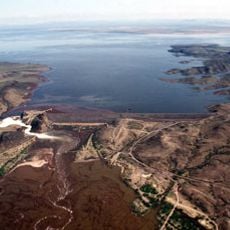
Norton Allen spotted the mound in 1937 without knowing what it held; the site was only found again during surveys before the Painted Rock Dam was built by the US Army Corps of Engineers, and first excavated in 1959–60 on land then owned by rancher Colin Gatlin.
The community of curious travelers
AroundUs brings together thousands of curated places, local tips, and hidden gems, enriched daily by 93,871 contributors worldwide.