Basin and Range Province, Physiographic province in Western United States and Northern Mexico.
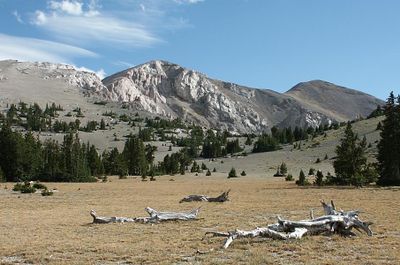
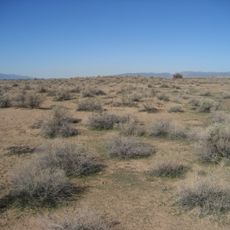
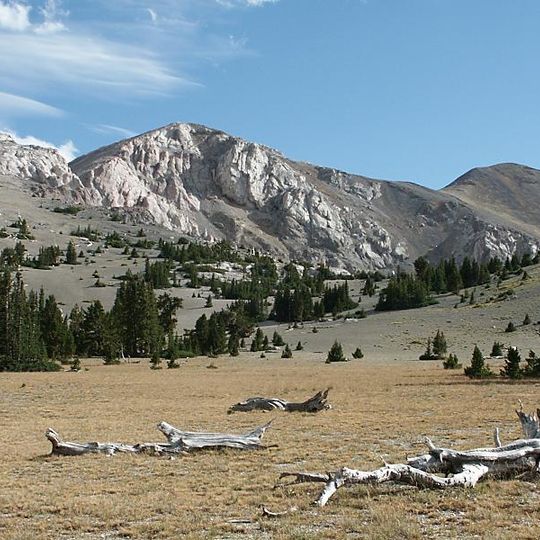
The Basin and Range Province is a physiographic province in Arizona and other parts of the western United States, where long mountain chains and flat basins alternate for hundreds of miles. This landscape stretches from eastern California to central Utah and southern Idaho, forming a distinct pattern of parallel ridges and broad valleys.
Around 17 million years ago during the early Miocene, the crust in this zone began to stretch and thin through tectonic extension. Over millions of years these processes created the mountain ranges that rose from the plain while basins sank.
Local names for valleys and ridges along this region often blend Spanish and indigenous roots, as earlier inhabitants named water sources and passes across generations. Today hikers and travelers use the same natural corridors that once formed trade routes between remote communities.
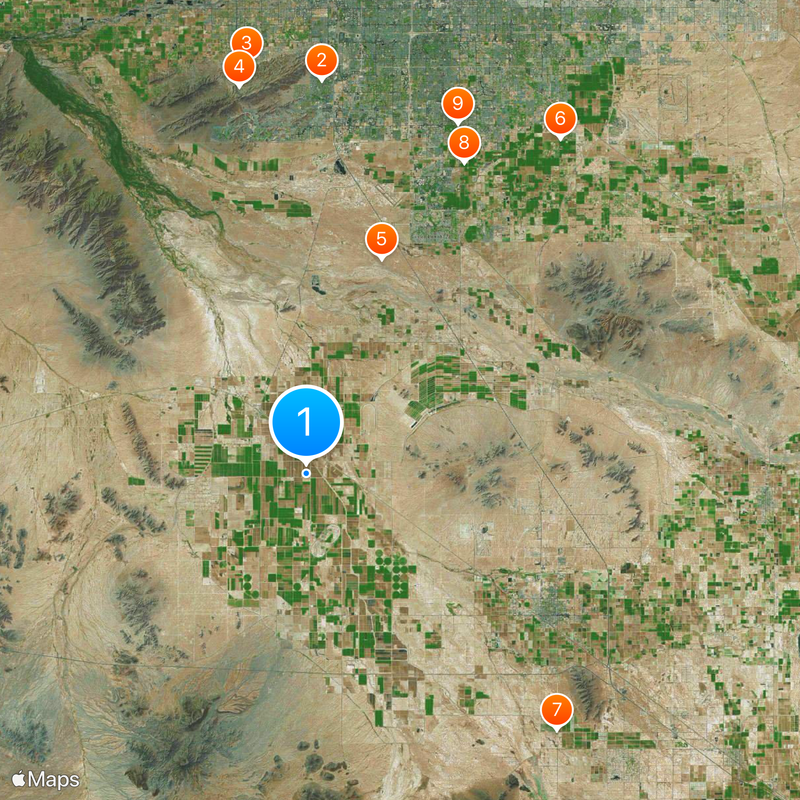
Major cities such as Las Vegas, Reno, Salt Lake City, Phoenix and Tucson lie within the province and are connected by highways that cross numerous north-south mountain ranges. Travelers moving through the region should be prepared for changing elevations and long open stretches between the ranges.
The terrain displays a repeating pattern of parallel mountain ranges rising roughly 3000 to 5000 feet (900 to 1500 meters) above valley floors. Death Valley marks the lowest point in the entire province, lying far below sea level.
The community of curious travelers
AroundUs brings together thousands of curated places, local tips, and hidden gems, enriched daily by 60,000 contributors worldwide.