Cañón de Santa Elena Flora and Fauna Protection Area, Flora and fauna protection area in Chihuahua, Mexico
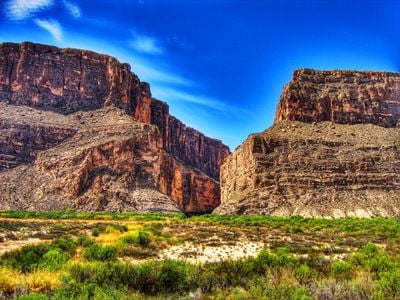
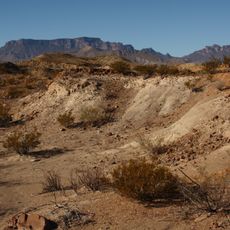
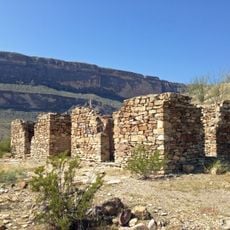
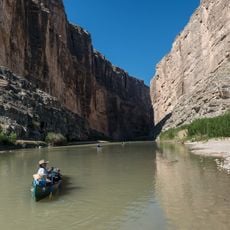
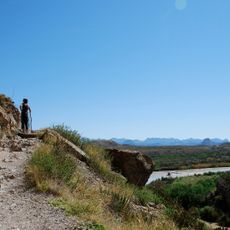
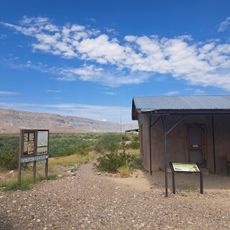
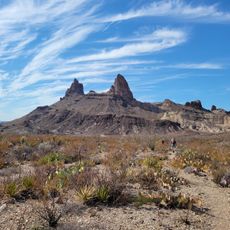
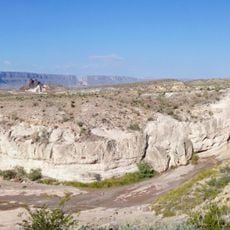
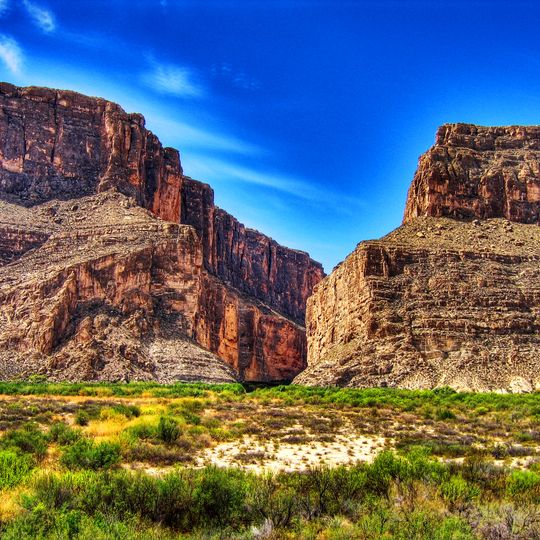
Cañón de Santa Elena Flora and Fauna Protection Area is a 277,209-hectare reserve in the municipalities of Manuel Benavides and Ojinaga, Chihuahua. It covers a strip 30 km wide and 100 km long, from the Rio Grande to Coahuila, with elevations from 700 to 2,400 m. Two canyons cut through it: Santa Elena, 467 m deep, and La Gaviota, 656 m deep.
The area has been occupied since ancient times, as shown by archaeological finds, with early inhabitants relying on hunting and fishing. European expeditions later arrived and transformed conditions for the resident peoples.
The Conchos, Jumanos, Chisos, and Apache indigenous groups inhabited this territory until European expeditions altered the native populations.
The best time to visit is outside the hottest months, when conditions are more manageable. You will need your own transportation, as no public transit serves this protected area.
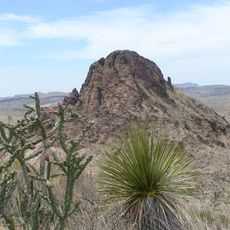
The reserve protects 79 listed species: 13 plants, mostly cacti, and 66 animals, among them the black bear, golden eagle, peregrine falcon and beaver. CONABIO records over 700 plant and animal species in the area, 49 of them under a risk category of the NOM-059 standard and 18 exotic.
The community of curious travelers
AroundUs brings together thousands of curated places, local tips, and hidden gems, enriched daily by 92,807 contributors worldwide.