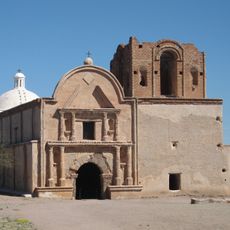
Tubac Presidio, Spanish colonial fort ruins in Tubac, Arizona.
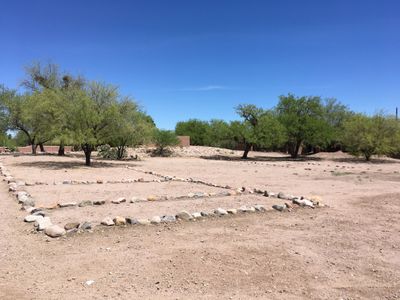
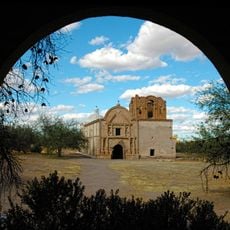
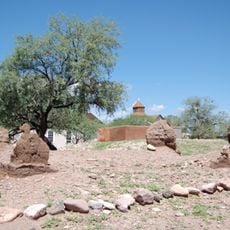
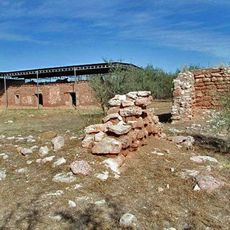
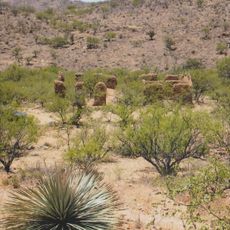
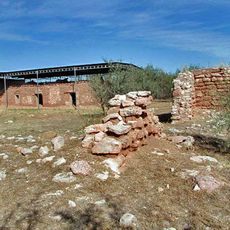
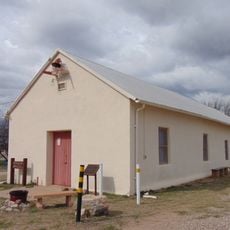
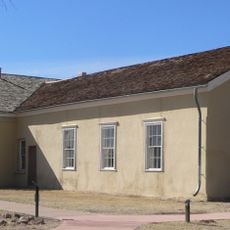
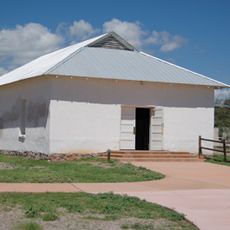
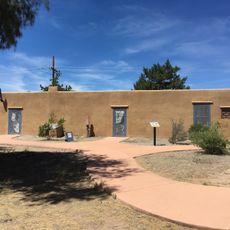
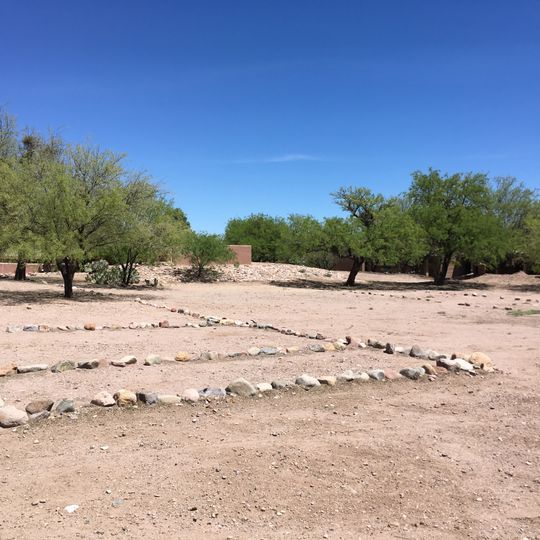
Tubac Presidio preserves the foundations and traces of adobe buildings with pine or cottonwood beams and ocotillo-and-mud roofs, standing until the early 20th century. Low lines of small gray, tan, and brown rocks outline rectangular shapes flush with the reddish-brown dirt. A white, flat-roofed building with a crenellated tower and flag stands in the open flat area, with hills behind.
Founded in 1752 after the Pima Rebellion of 1751, the presidio garrisoned about fifty cavalry and infantry soldiers to protect the Santa Cruz Valley. In 1775 its garrison moved north to build the Presidio San Agustín del Tucson, though a new force later formed here. Mexico abandoned the fort in 1821; after the Gadsden Purchase, American militia and civilians withstood the Siege of Tubac in 1861.
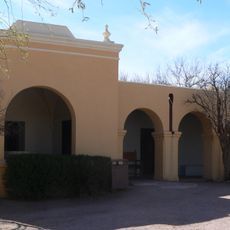
The presidio's name honours Saint Ignatius, and the post anchored a settlement of soldiers' families: 40 families by 1766, and by 1804 eight Spanish and 20 Indian families held a 5-square-mile land allotment. The site is now the Tubac Presidio State Historic Park, with a museum and interpretation centre, and was listed on the National Register of Historic Places in 1970.
The site is open for self-guided exploration, allowing you to walk through the ruins at your own pace. Information boards help explain what you are seeing and guide you through the different sections.
The Weekly Arizonian, Arizona Territory's first newspaper, was printed here, and evidence of its printing press has been uncovered during excavations. This connection makes the ruins a landmark in the early history of regional journalism.
The community of curious travelers
AroundUs brings together thousands of curated places, local tips, and hidden gems, enriched daily by 92,855 contributors worldwide.