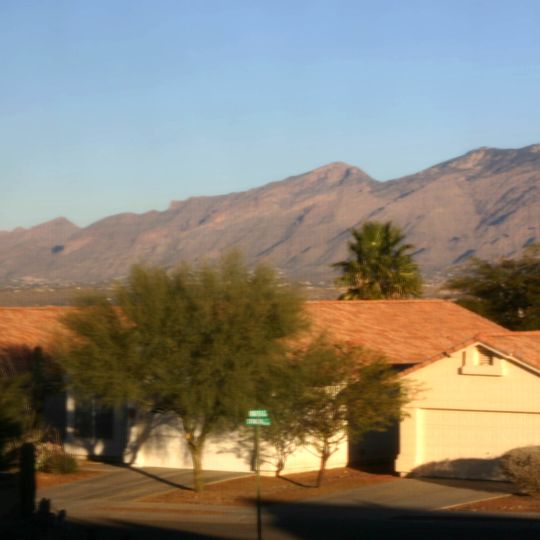
Santa Catalina Mountains, Mountain range in southeastern Arizona, US
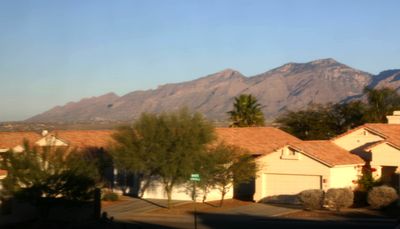
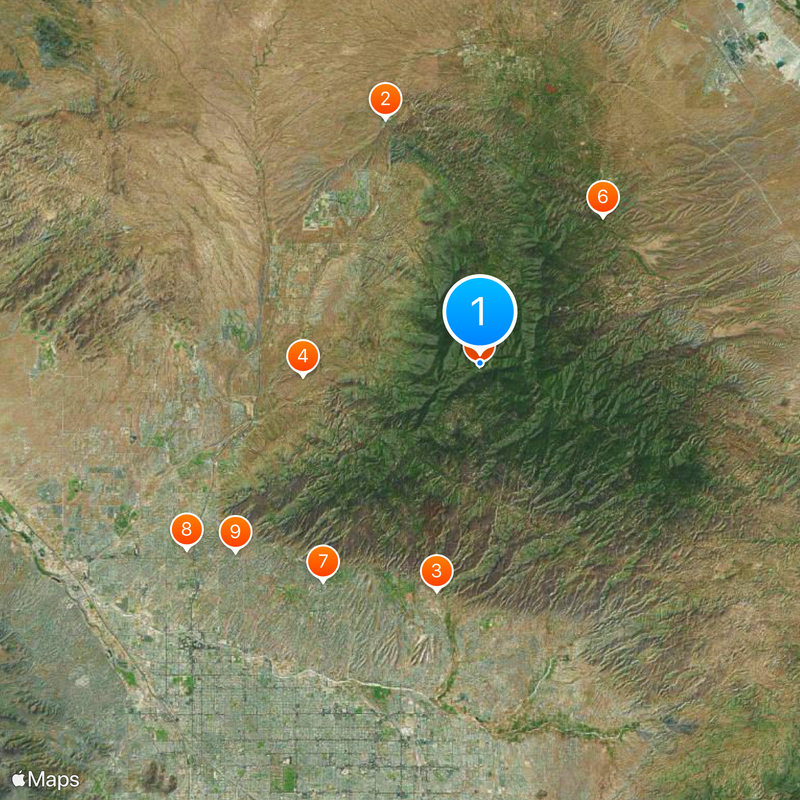
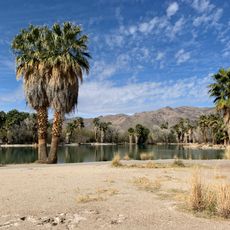
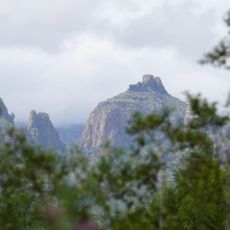
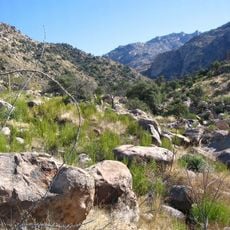
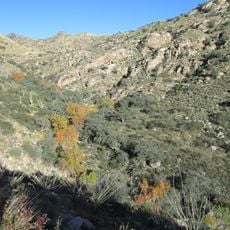
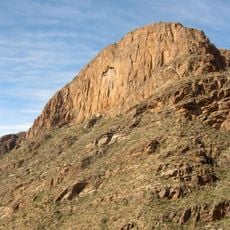
The Santa Catalina Mountains form a range of granite peaks rising from the Sonoran Desert near Tucson in southeastern Arizona. The formation displays different rock types and elevation zones, creating a landscape that shifts from desert floor to alpine terrain.
A Spanish priest renamed this range in 1697, marking the moment European influence reached the landscape's names. In the early 1900s, the mountains received protected status to safeguard their forests and natural resources for the future.
The Tohono O'odham called these mountains Babad Do'ag long before European contact altered the landscape's names. Local communities today view this range as a defining feature of their region, shaping how people relate to the land around Tucson.
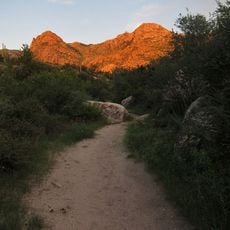
These mountains are accessible year-round, though conditions shift with the seasons and elevation. Visitors can find marked trails and recreational areas, but it helps to prepare for changes in weather and terrain as you move through different zones.
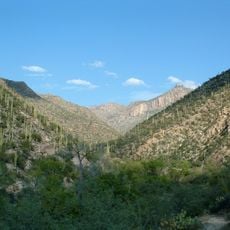
The range acts as a sky island, where elevation changes create completely separate living zones stacked on top of each other. Hikers can walk through desert, forest, and alpine habitats within a single day, experiencing ecosystems that would normally be miles apart.
The community of curious travelers
AroundUs brings together thousands of curated places, local tips, and hidden gems, enriched daily by 92,216 contributors worldwide.