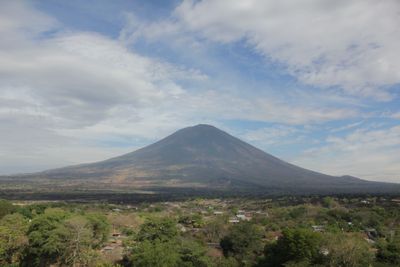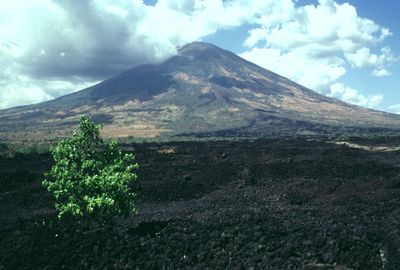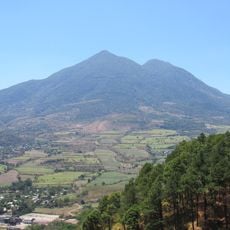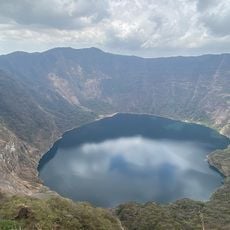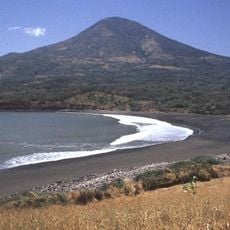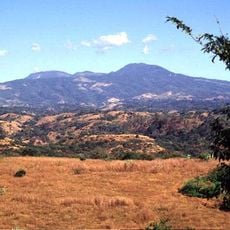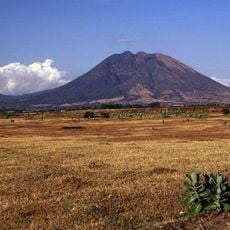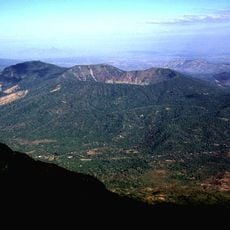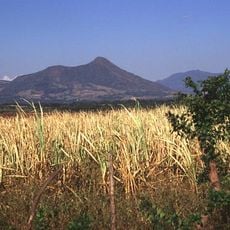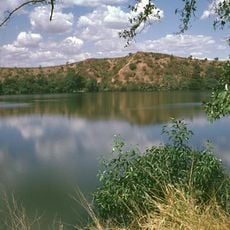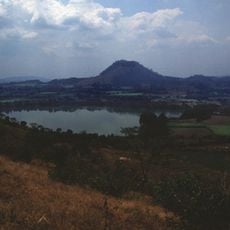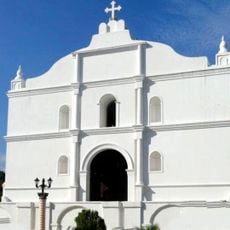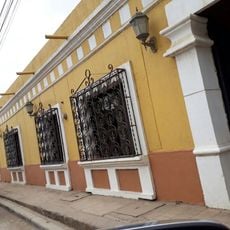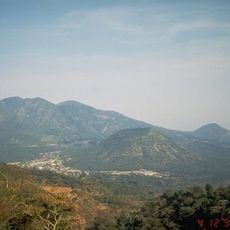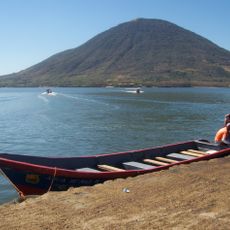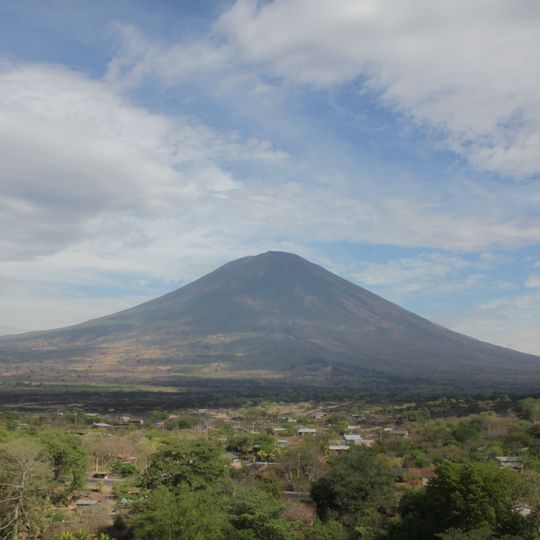
San Miguel, Stratovolcano near San Miguel, El Salvador.
San Miguel is a stratovolcano in El Salvador that rises 2,130 meters above sea level and is built from andesite rock. Its central crater measures 800 meters across and releases smoke continuously, which remains visible from a distance.
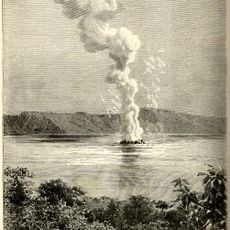
Records document 26 eruptions since 1704, including eight lava flows after the city was founded in 1530. Activity continues today and has shaped the development of surrounding settlements for centuries.
The name comes from Saint Michael, a protective figure Spanish colonists assigned to the mountain. Farmers in the surrounding area watch the smoke plume from the summit as a daily sign and have learned to adjust their routines accordingly.
Monitoring systems track activity around the clock and send warnings to nearby communities when conditions change. Evacuation plans remain updated and authorities restrict access during periods of heightened risk.
Andesite rock from the cone stores rainwater differently than other volcano types and influences underground springs in the lowlands. This mineral-rich soil layer attracts certain plant species that grow less often elsewhere in the region.
The community of curious travelers
AroundUs brings together thousands of curated places, local tips, and hidden gems, enriched daily by 91,657 contributors worldwide.