Viceroyalty of New Granada, Colonial administrative region in northern South America
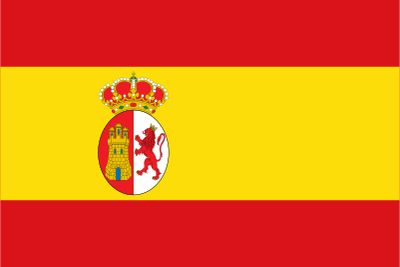
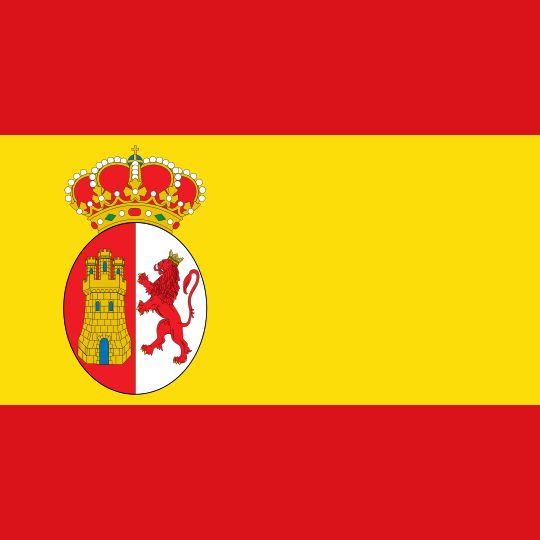
The Viceroyalty of New Granada was a Spanish administrative region covering present-day Colombia, Panama, Ecuador, and Venezuela, with Bogotá as its capital. The territory was organized into local districts to serve Spain's control over northern South America.
Spanish King Felipe V established this administrative division in 1717, suspended it in 1723, and permanently restored it in 1739 to strengthen Spain's control over the region. These repeated changes show how Spain worked to secure its power over northern territories.
Spanish served as the administrative language across settlements and trade routes, while indigenous communities continued speaking languages like Arawakan, Chibchan, and Páez in daily life. This linguistic mix shaped how people communicated in markets, homes, and religious spaces.
Movement across the region occurred mainly through river routes and coastal ports that served as trade centers. The terrain varied greatly, with mountain ranges, plains, and forested areas that affected travel and settlement patterns throughout.
The Wayuu people of the Guajira region mounted persistent resistance against Spanish control, engaging in recurring conflicts that continuously challenged authorities. This resistance was partly why Spain needed to restructure its administration multiple times.
The community of curious travelers
AroundUs brings together thousands of curated places, local tips, and hidden gems, enriched daily by 92,409 contributors worldwide.