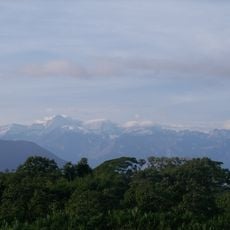
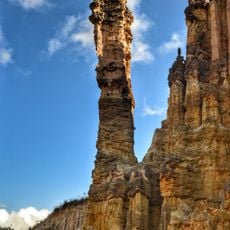
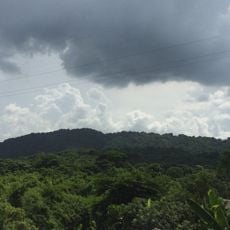
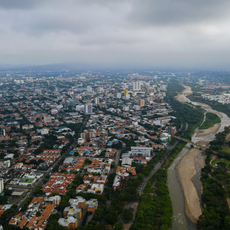
Ciénaga de Zapatosa, Freshwater marsh in Cesar and Magdalena, Colombia.
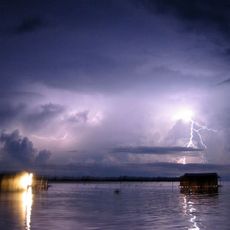
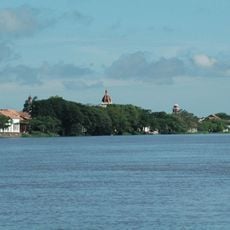
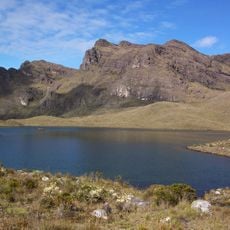
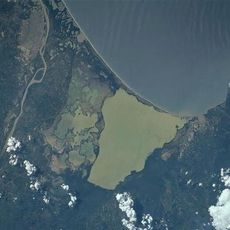
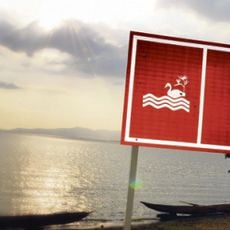
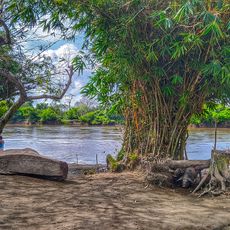
Ciénaga de Zapatosa is a large wetland in northern Colombia, spread across the departments of Cesar and Magdalena, made up of open water bodies, flooded grasslands, and marshy edges. The water level changes noticeably with the seasons, alternately exposing and submerging large areas of land.
The first permanent settlements around the wetland appeared in the mid-1700s, when towns like Chimichagua were founded and fishing became the main way of life for the people who moved here. For a long time, the area was reachable mainly by water, which kept it apart from the rest of the region.
Fishing communities around the marsh go out daily in small wooden boats, using traditional nets and techniques passed down through families. The nearby villages follow the rhythm of the water, and their routines shift with the rising and falling of the seasonal floods.
Most parts of the wetland can only be reached by boat, so visitors should plan to travel on water for much of the time. The dry season generally offers better visibility and easier navigation, while the wet season brings higher water and a different set of landscapes.
Ciénaga de Zapatosa is considered one of the largest freshwater wetlands in Colombia and shelters reptile species found nowhere else in the country. Some of these animals were only formally described by scientists in recent decades, which says a lot about how little the area has been studied until now.
The community of curious travelers
AroundUs brings together thousands of curated places, local tips, and hidden gems, enriched daily by 91,761 contributors worldwide.