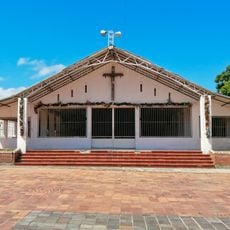
Province d'Ocaña, Historical province in Norte de Santander, Colombia
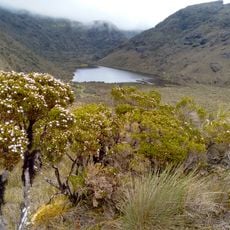
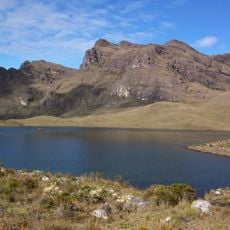
Provincia de Ocaña was an administrative and territorial division of the Republic of New Granada, with its capital at Ocaña. Its western part was crossed by the foothills of the Cordillera Oriental, while the centre-east lay in the Catatumbo River valley; much of the territory was forested and rugged. The Catatumbo was its most important river, with the Tarra, río de Oro and Lebrija also used for communication and trade.
The province was established in 1849 through legislation and emerged from territories previously divided among other administrative regions. This reorganization reflected broader governmental changes taking place in Colombia at that time.
The name Ocaña survives today mainly as a popular term for the region, kept alive by its history rather than by any current administrative function. The 1851 census counted 23,450 inhabitants, and the province's economy rested on maize, yuca, potatoes, beans, wheat, rice, plantain, cotton, tobacco, sugar, panela, coffee and cacao. Its workshops made cotton cloth, wool ruanas, fine lace, nacuma and palm hats, alpargatas and fique sacks.
The province lay in two distinct zones: the western part on the spurs of the Cordillera Oriental and the centre-east in the Catatumbo river valley, much of it forested and rough. The Catatumbo was the main river, with the Tarra, río de Oro and Lebrija used for communication and trade with other provinces. Routes followed these waterways and the passes toward the páramo de Guerrero.
A major river system crosses through the region and forms natural pathways that historically eased connections to neighboring areas. This natural corridor influenced trade and exchange patterns across traditional borders.
The community of curious travelers
AroundUs brings together thousands of curated places, local tips, and hidden gems, enriched daily by 93,902 contributors worldwide.