Pico de Tancítaro, Volcanic mountain and national park in Tancítaro, Mexico.
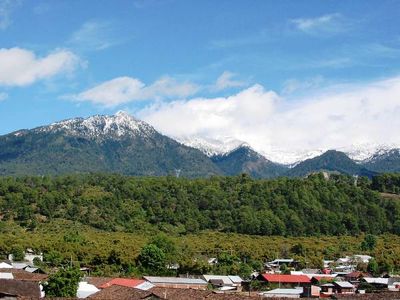
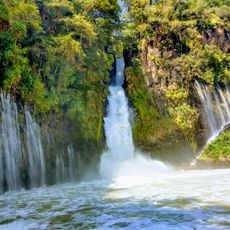
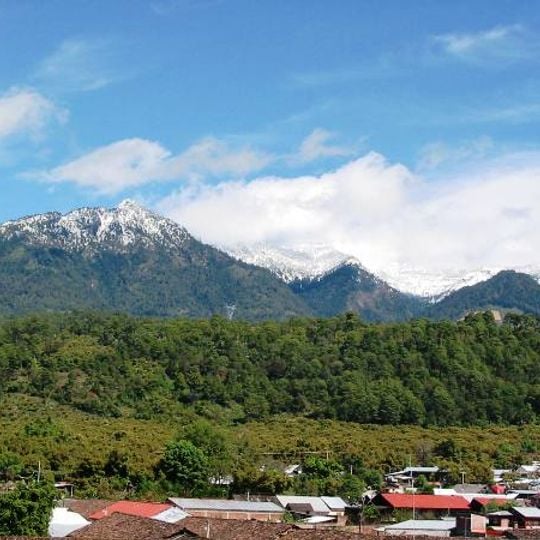
Pico de Tancítaro is a volcanic mountain and national park that rises to 3,840 meters, making it the highest peak in Michoacán state. The massif displays different vegetation zones and offers wide views across the surrounding landscape from above.
This volcanic peak formed between roughly 800,000 and 237,000 years ago, creating a layered volcano made of andesite and dacite rock. The mountain is now extinct with no active volcanic activity today.
The mountain's name comes from the Purépecha settlement of Tancítaro at its foot. Its slopes feed the irrigation of 81 communities, some 39,783 people, who grow avocado, peach, apple and pear, including export-grade avocado. Farmers have resisted the enlargement of the protected area and the fixing of its boundaries.
The climb requires good physical preparation and proper equipment for high altitude, as conditions can be demanding. Check the weather before visiting, since it is significantly colder at the top and conditions can change quickly.
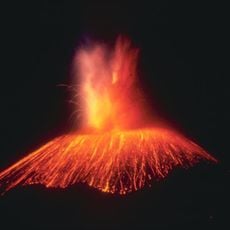
The 23,405-hectare protection area, still widely called Pico de Tancítaro National Park, was designated a national park on 27 July 1940 and redesignated a flora and fauna protection area on 19 August 2009. It contains both the extinct Tancítaro stratovolcano and Parícutin, the cinder cone that erupted in 1943 about 11 km northeast and grew until 1952.
The community of curious travelers
AroundUs brings together thousands of curated places, local tips, and hidden gems, enriched daily by 94,298 contributors worldwide.