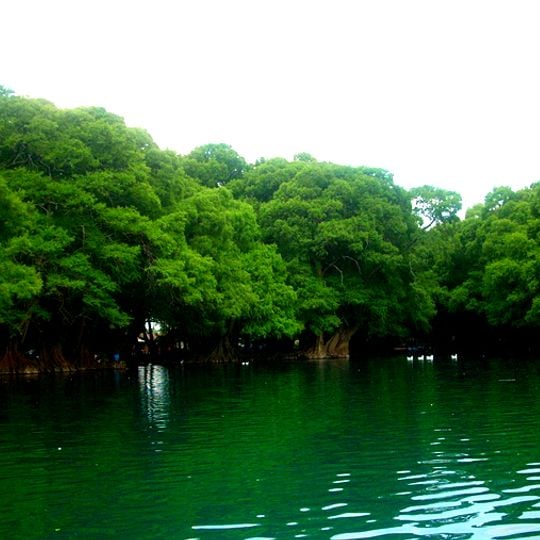
Lago de Camécuaro National Park, National park in Tangancícuaro, Mexico.
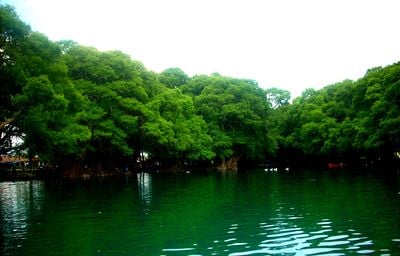
Lago de Camécuaro National Park is a protected area in Tangancícuaro, Michoacán, Mexico, centered around a spring-fed lake. The reserve covers forested shores and aquatic plant communities that frame the water.
President Lázaro Cárdenas del Río declared the area a national park on 18 June 1940 to conserve its flora and fauna; the decree was signed into law on 18 July 1940. The English Wikipedia gives 18 July 1940 for the declaration and 8 December 1941 for the signing into law.
Camécuaro comes from Purépecha, usually translated as "place of bathing". Eduardo Ruiz instead traced it to huacamécuaro, "place where one falls into a deep pond", and fray Juan Bautista Lagunas read it as cameni (bitter), kua (hidden) and ro (place): "place of hidden bitterness". Photographers from across Mexico come for the water's clarity.
The park sits roughly 14 kilometers (9 miles) from Zamora de Hidalgo and offers trails for walking and birdwatching. Paths along the shore let visitors explore the vegetation and wildlife up close.
The lake reaches a depth of roughly 6 meters (20 feet) and is fed by several natural springs that keep water levels steady year-round. These springs refresh the water continuously, maintaining its clarity and cool temperature.
The community of curious travelers
AroundUs brings together thousands of curated places, local tips, and hidden gems, enriched daily by 94,082 contributors worldwide.