Michoacán-Guanajuato volcanic field, Volcanic field in central Mexico
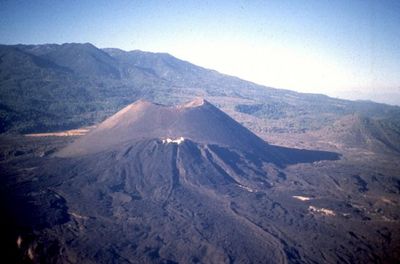
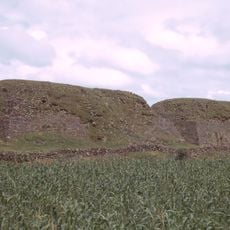
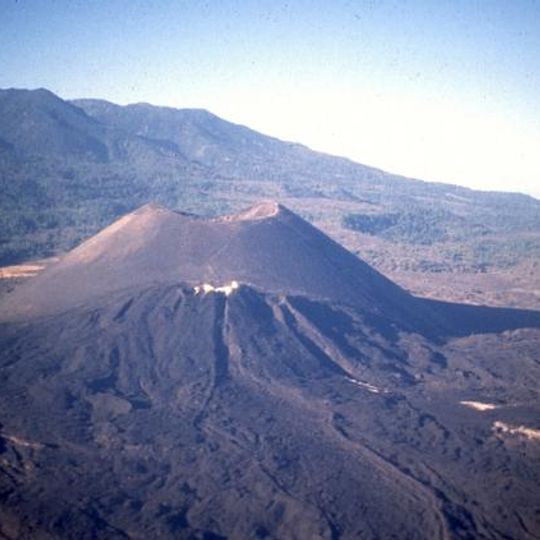
The Michoacán-Guanajuato volcanic field covers a broad area of central Mexico's highlands and contains thousands of volcanic vents of different types. Cinder cones, shield volcanoes, and circular crater lakes show the region's complex geological development.
The field developed over vast geological timescales through repeated volcanic activity and became world-famous in 1943 when Paricutín volcano emerged suddenly from a cornfield. This event allowed scientists to witness and study the birth of a volcano in real time.
Local communities grow corn, beans, and other crops in the nutrient-rich soil created by volcanic activity. Farming practices here reflect generations of knowledge about working with volcanic terrain.
Visitors should stay on established trails and marked routes because the terrain is rough and uneven throughout the area. Local guides know the safest paths and current conditions, making exploration both safer and more informative.
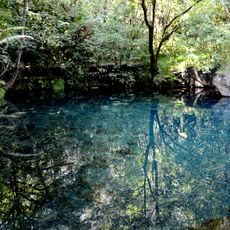
The Siete Luminarias formation in Valle de Santiago displays seven circular crater lakes side by side, each created by explosive volcanic blasts. This unusual cluster provides a rare view of multiple crater features in close proximity.
The community of curious travelers
AroundUs brings together thousands of curated places, local tips, and hidden gems, enriched daily by 92,128 contributors worldwide.