Tzintzuntzan, Archaeological site near Lake Patzcuaro, Mexico.
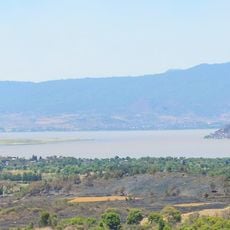
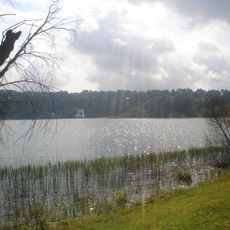
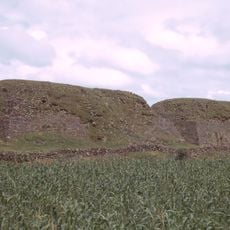
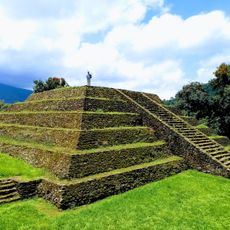
Tzintzuntzan is a pre-Columbian archaeological site in Michoacán on the shore of Lake Pátzcuaro. Five circular stepped platforms made of volcanic stone called yacatas stand on an artificial terrace and face the water.
The P'urhépecha made the site their imperial capital around 1450 and built the ceremonial platform on the slopes of Yahuarato. After the Spanish arrived in 1521, the settlement lost its political role and was transformed into a Christian village.
The name means Place of the Hummingbirds in the P'urhépecha language and reflects the religious importance these birds held in the empire. Visitors today can see the remains of the ceremonial hall where ritual life once took place.
The site sits about 20 minutes by car from Pátzcuaro and opens daily from 9 to 6 in the evening. A small museum at the entrance displays objects and information about the construction methods of the platforms.
The stone slabs on the yacatas carry carved patterns with spirals and circles that become clear only up close. These symbols belong to the visual language of P'urhépecha culture and appear at very few other sites.
The community of curious travelers
AroundUs brings together thousands of curated places, local tips, and hidden gems, enriched daily by 90,789 contributors worldwide.