Ihuatzio, Archaeological site near Pátzcuaro Lake, Mexico
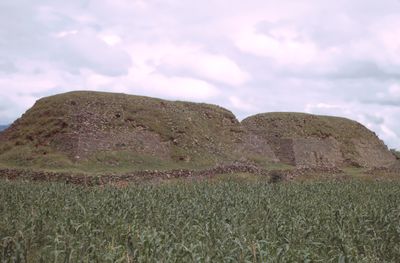
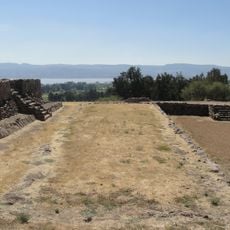
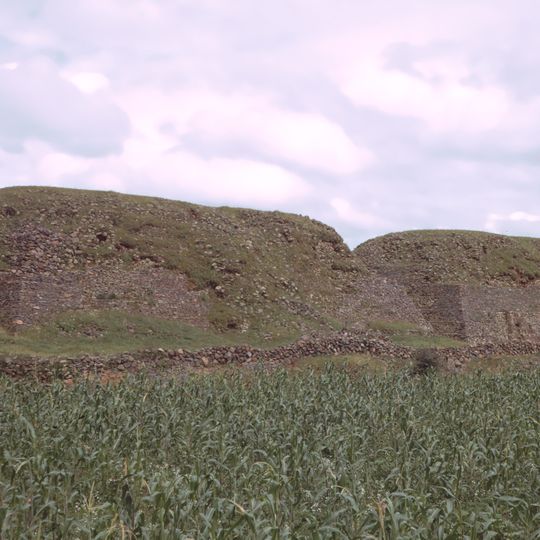
Ihuatzio is an archaeological site near Pátzcuaro Lake dominated by two rectangular pyramids built on a wide platform forming the western boundary of a large ceremonial plaza. The complex spreads across several areas containing residential spaces, courtyards, and smaller structures that reveal how people organized their settlement.
The site was first established between 900 and 1200 by Nahuatl-speaking groups before the Purépecha people took control from 1200 until Spanish arrival in 1530. This shift shows how power changed hands in the region and how each group left their imprint on the structures.
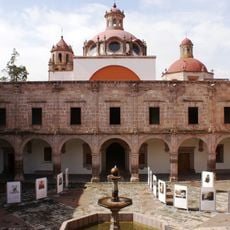
The name comes from the Purépecha language and means Place of Coyotes, inspired by stone coyote sculptures discovered here that are now displayed in Mexico City and Morelia museums. Local guides often point out how this name reflects the spiritual significance the site held for its builders.
The site covers a broad area and is reached via a cobblestone path from the main village, making access straightforward for most visitors. Wear comfortable shoes since exploring the pyramids and different levels involves walking on uneven ground and climbing where needed.
Researchers found that specific structures were precisely aligned to track celestial events like solstices and star movements across the sky. These astronomical alignments reveal that the builders possessed sophisticated knowledge of how the heavens moved throughout the year.
The community of curious travelers
AroundUs brings together thousands of curated places, local tips, and hidden gems, enriched daily by 91,796 contributors worldwide.