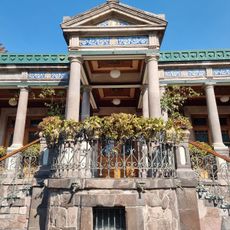
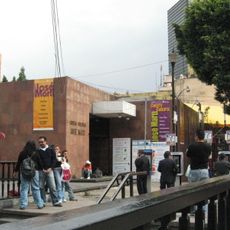
Panteón de San Fernando, cemetery in Mexico City, Mexico
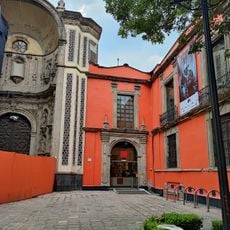
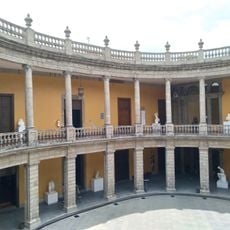
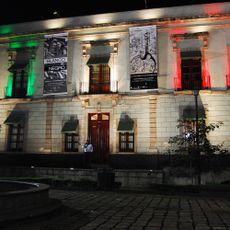
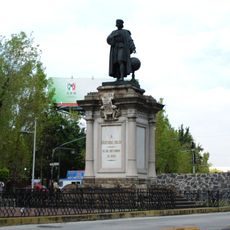
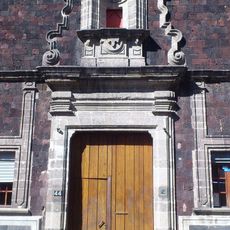
Panteón de San Fernando is a cemetery in Mexico City that holds the graves of notable figures from Mexican history and public life. The grounds feature monuments, stone crosses, and sepulchers built in various architectural styles that reflect different periods and craftsmanship traditions.
Construction of the current cemetery began around 1832 under the convent's trustee Ignacio Cortina Chávez. In 1833, after Santa Anna ordered private cemeteries opened during a cholera epidemic, it became public, though cholera victims were barred. The Reform laws secularized it in 1859, and it was later declared Mexico City's first Panteón de Hombres Ilustres. It closed in 1872 with the burial of Benito Juárez.
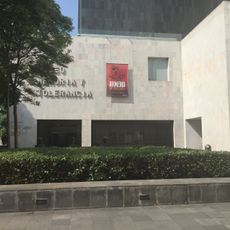
The cemetery's name comes from the Franciscan Colegio Apostólico de San Fernando, which first used its atrium for anonymous burials. In 1860 the city government declared it the Panteón de Hombres Ilustres, the first cemetery of illustrious men in Mexico City. Today it operates as the Museo Panteón de San Fernando, and the tombs of Benito Juárez and Ignacio Zaragoza are among the markers visitors seek out.
The cemetery is an open grounds that can be explored on foot, with pathways connecting different sections. Comfortable walking shoes are recommended, as you may want to take time to read the inscriptions and appreciate the various monuments throughout your visit.
The cemetery holds the tomb of Benito Juárez, who was buried here in 1872, the last recorded interment. His mausoleum, topped by a marble statue, stands near the entrance. The site also contains the remains of Miguel Miramón, a conservative general and rival president, later moved to Puebla Cathedral.
The community of curious travelers
AroundUs brings together thousands of curated places, local tips, and hidden gems, enriched daily by 93,766 contributors worldwide.