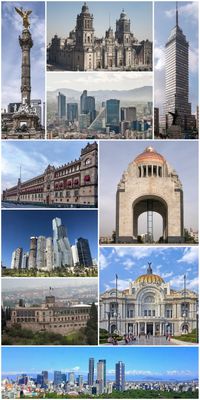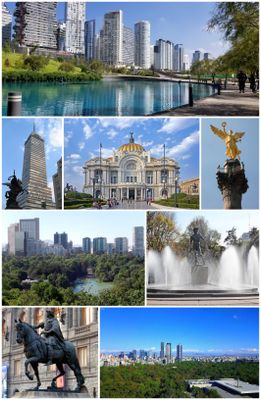
Mexico City, Administrative division in Mexico
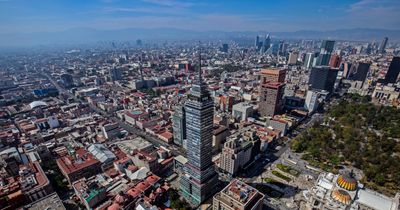
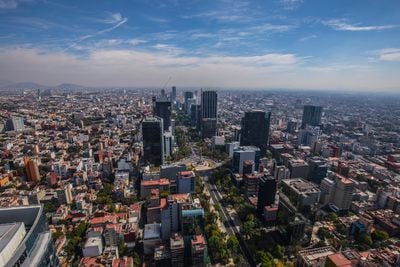
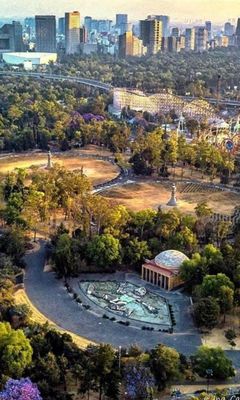
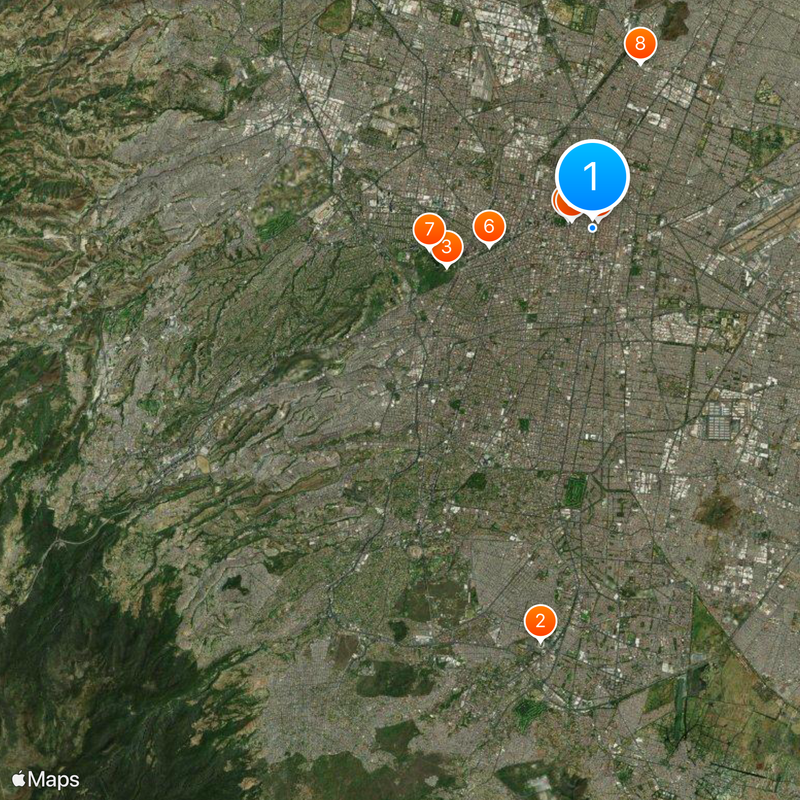
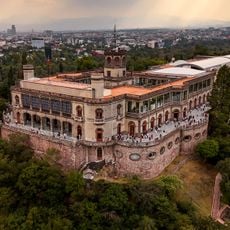
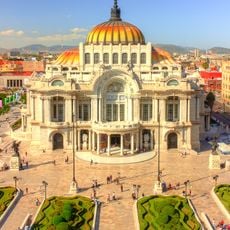
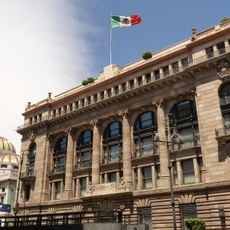
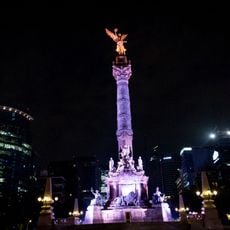
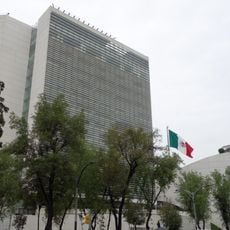
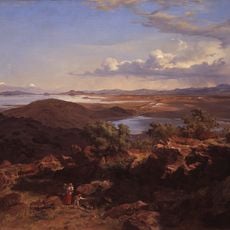
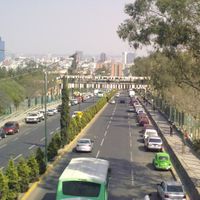
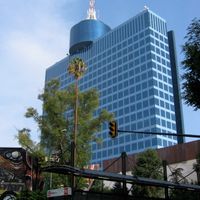
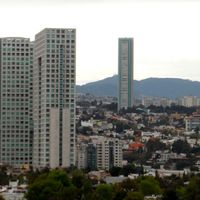
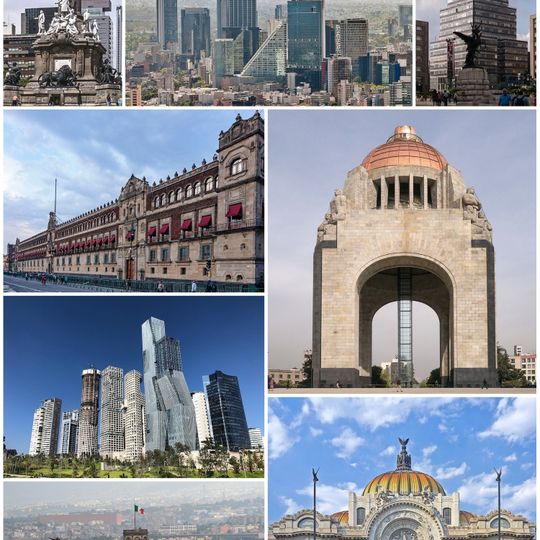
The capital and its surrounding state occupy a high-altitude basin in central Mexico, ringed by volcanic peaks and sitting at roughly 2240 meters (7350 feet) elevation. The administrative structure comprises 16 districts linking dense residential areas with large parks, pre-Columbian ruins and government complexes.
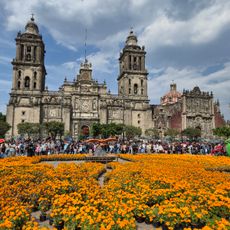
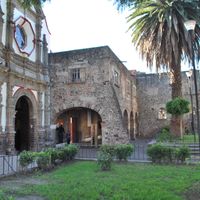
Spanish forces conquered the Aztec city of Tenochtitlan in 1521 and built the capital of New Spain directly over its foundations. The area became a federal territory in 1824, endured French occupation in the 1860s and gained full statehood with its own legislature in 2016.
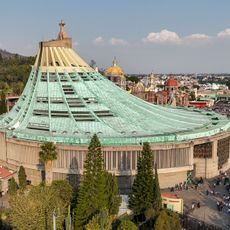
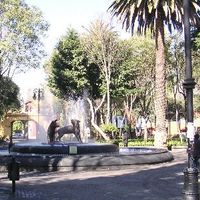
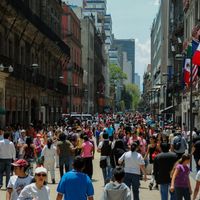
Daily markets, street festivals and religious processions blend indigenous traditions with Catholic customs, while families use parks for shared meals and musicians perform in public spaces. Neighborhoods center around taquerías, pulque bars and cantinas where locals gather to eat and socialize.
Metro lines and international bus services reach all districts and handle roughly one million riders each day. Rain falls mainly between May and October, while travelers should plan at least two days to adjust to the altitude.
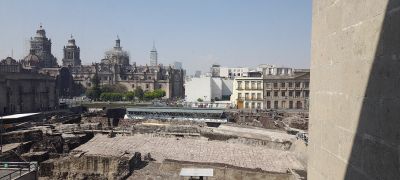
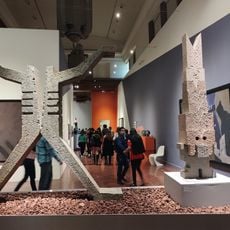
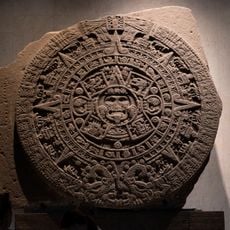
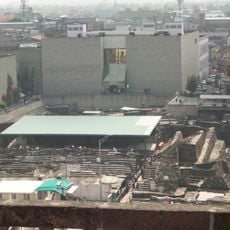
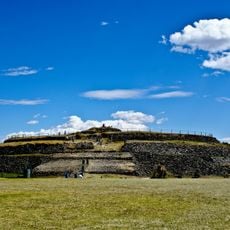
Archaeologists keep finding Aztec temple remains beneath colonial structures, with over 200 significant discoveries made in modern basements and subway tunnels. These remnants document continuous settlement on the same ground for seven centuries.
The community of curious travelers
AroundUs brings together thousands of curated places, local tips, and hidden gems, enriched daily by 90,776 contributors worldwide.