See the monuments around you in AROpen chests in the app
Around Us is built for your phone — point your camera at the streets and discover the monuments and places around you in augmented reality.Around Us is built for your phone — chests unlock when you walk, explore and capture nearby places.
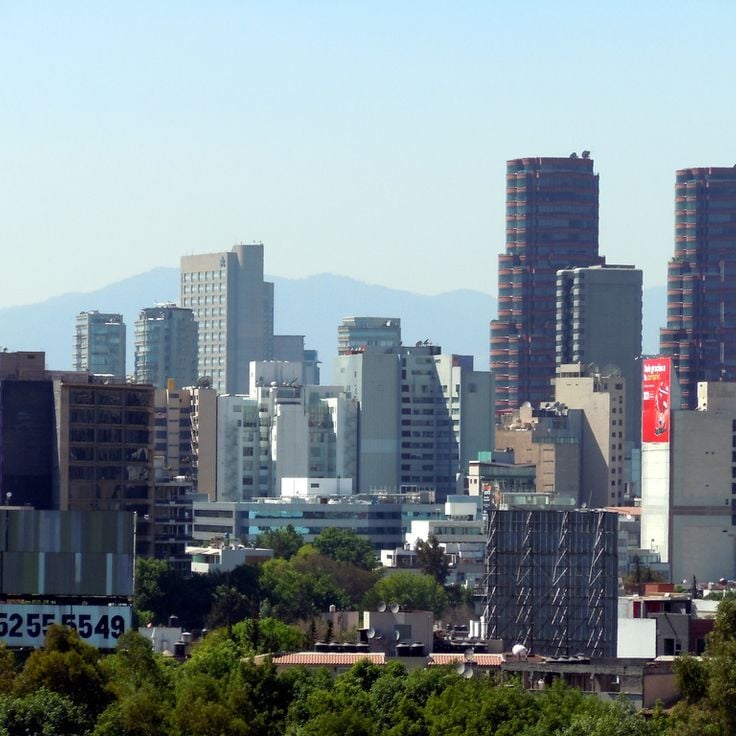
Mexico City weaves together Aztec and Spanish colonial history through monuments, museums, and archaeological sites spread across the metropolis. The National Palace displays Diego Rivera's murals depicting Mexican history, while Chapultepec Castle provides views over the sprawling urban landscape. The Aztec ruins of Templo Mayor and the historic canals of Xochimilco showcase the city's indigenous roots. Visitors can step into the Basilica of Our Lady of Guadalupe, explore the home museum of Frida Kahlo in Coyoacán, and wander through the Vasconcelos Library's soaring halls. The National Museum of Anthropology holds treasures from ancient civilizations, while neighborhoods like San Ángel and Tlalpan preserve colonial architecture and local traditions. Just outside the city, the pyramids of Teotihuacán stand as reminders of pre-Hispanic greatness.
Mexico City weaves together Aztec and Spanish colonial history through monuments, museums, and archaeological sites spread across the metropolis. The National Palace displays Diego Rivera's murals depicting Mexican history, while Chapultepec Castle provides views over the sprawling urban landscape. The Aztec ruins of Templo Mayor and the historic canals of Xochimilco showcase the city's indigenous roots. Visitors can step into the Basilica of Our Lady of Guadalupe, explore the home museum of Frida Kahlo in Coyoacán, and wander through the Vasconcelos Library's soaring halls. The National Museum of Anthropology holds treasures from ancient civilizations, while neighborhoods like San Ángel and Tlalpan preserve colonial architecture and local traditions. Just outside the city, the pyramids of Teotihuacán stand as reminders of pre-Hispanic greatness.
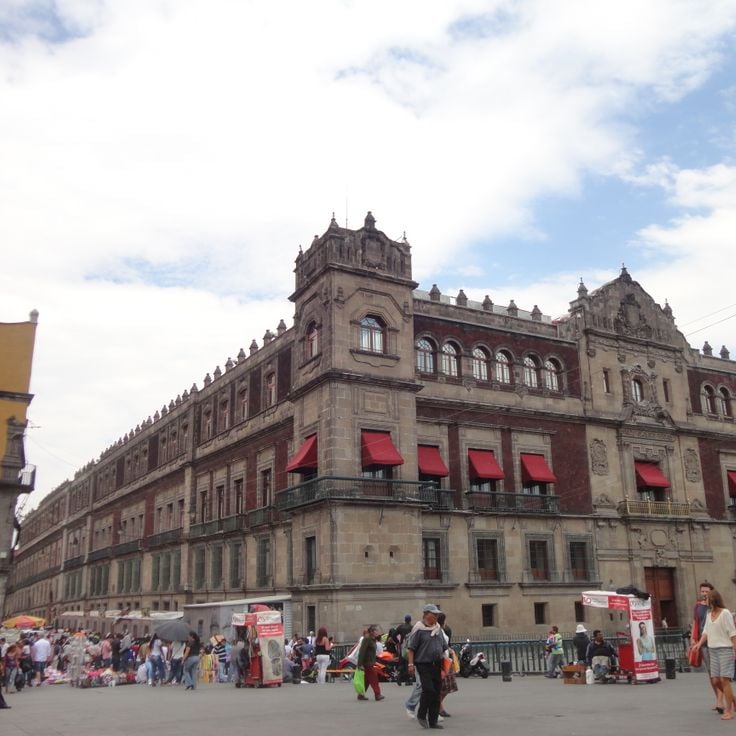
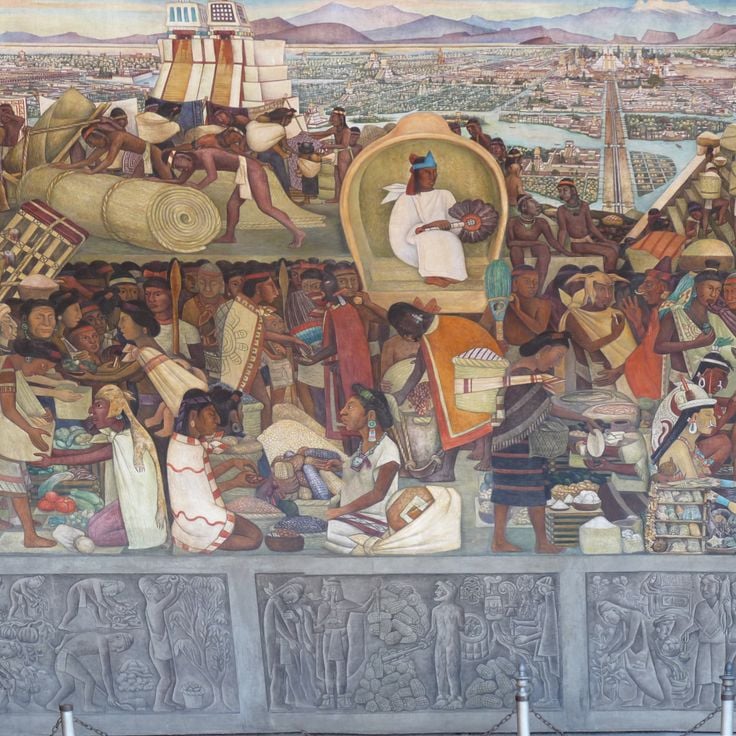
The National Palace at the Zócalo is a central landmark in Mexico City's history. The building houses government offices and displays a collection of murals depicting Mexican history. As part of the city's historic and cultural sites, the palace connects Spanish colonial architecture with artistic works that tell the story of Mexico's heritage and identity.
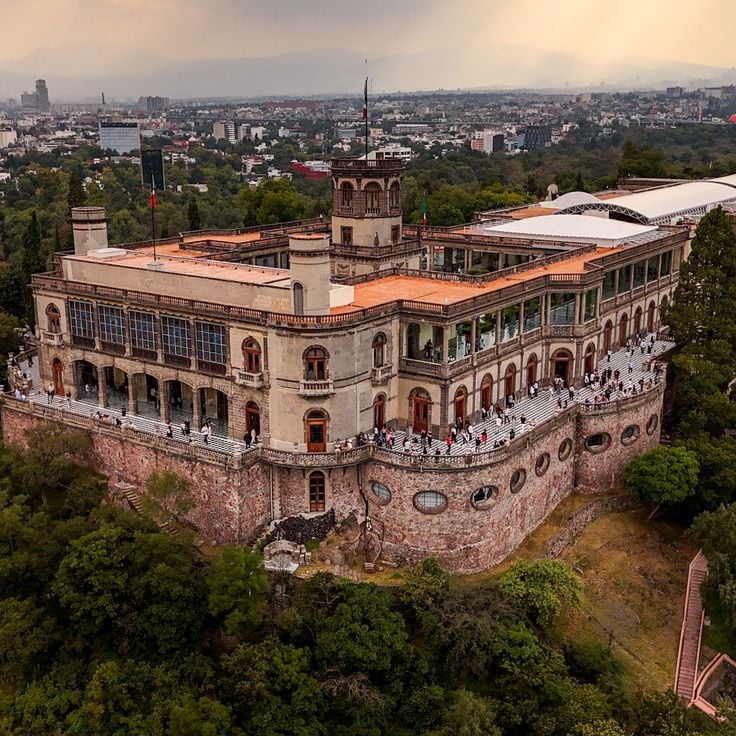
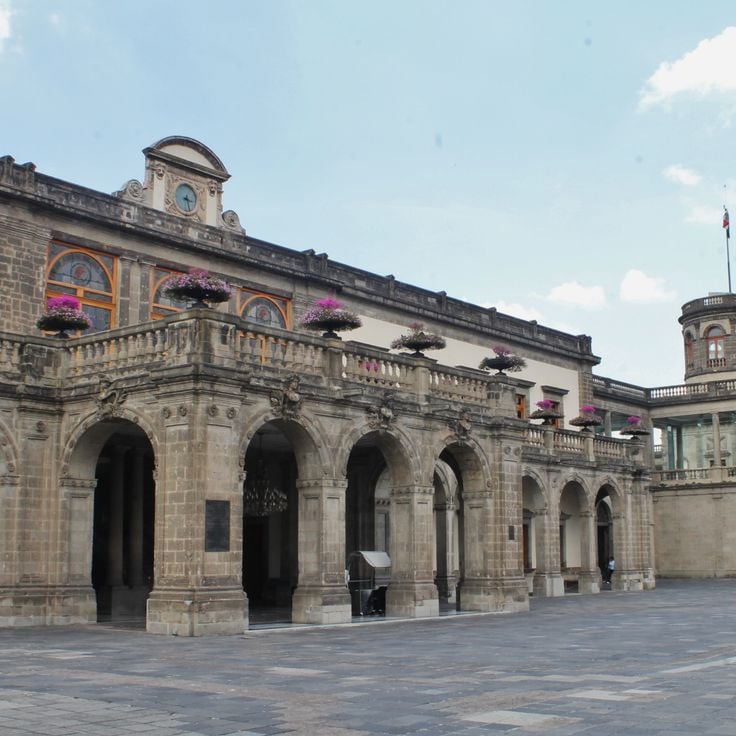
Chapultepec Castle stands on a hilltop in the heart of Mexico City and is part of the city's rich cultural heritage. Built in the 18th century, the castle originally served as an imperial residence. It later functioned as a military academy. Today, Chapultepec Castle houses a museum where visitors can explore Mexican history. The building also offers views across the city.
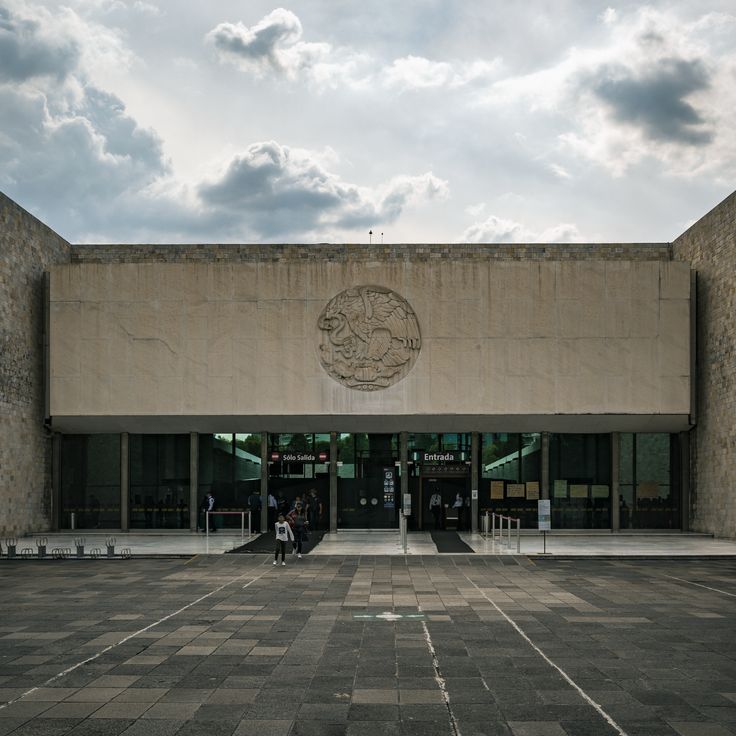
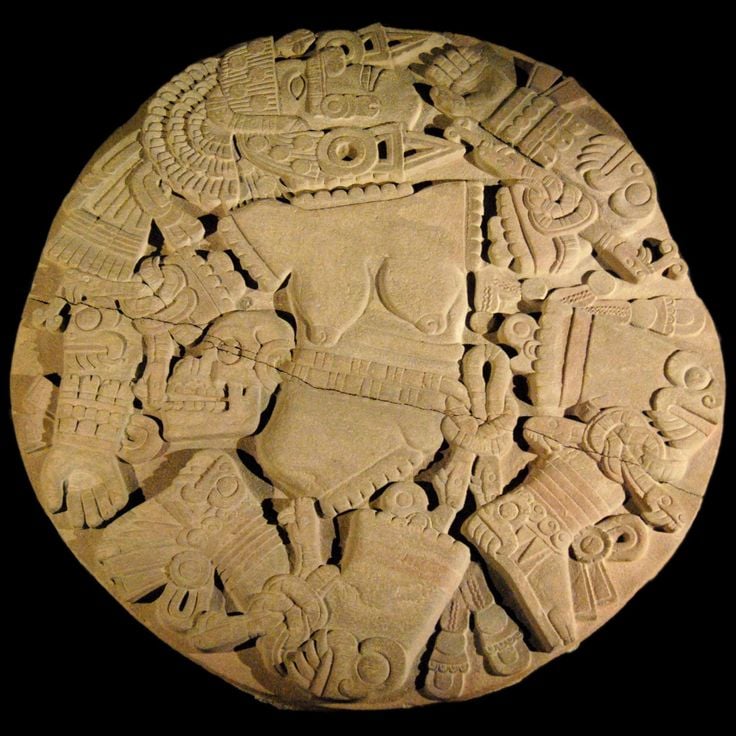
The National Museum of Anthropology in Chapultepec Park holds artifacts and objects from pre-Columbian Mexican cultures, including the Aztecs and Mayas. This museum helps you understand how these ancient peoples lived, what they believed in, and what they created. Walking through the galleries, you see sculptures, pottery, jewelry, and other items that show the creativity and knowledge of these civilizations. The museum is a place where you can spend hours learning about Mexico's past through the objects people left behind.
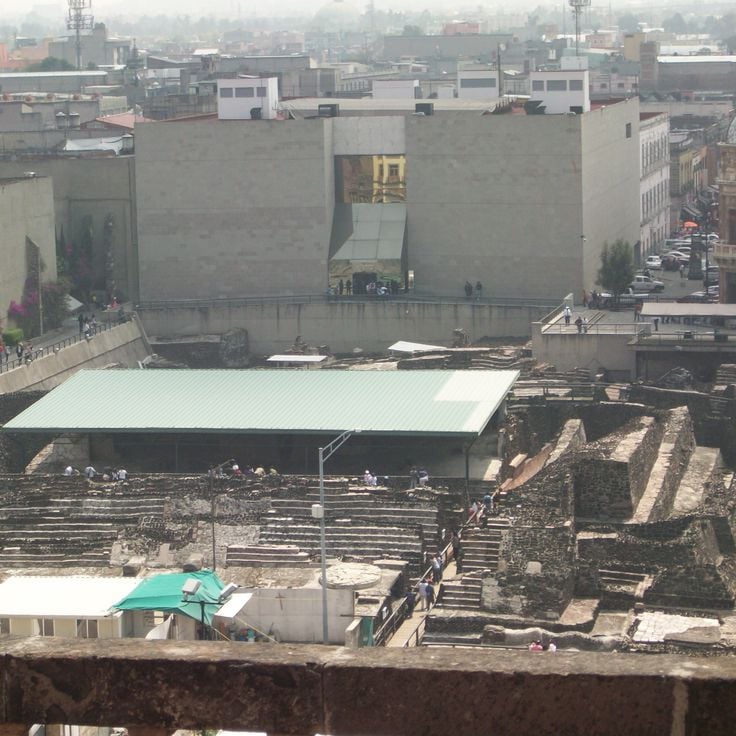
The Templo Mayor was the central religious sanctuary of the Aztecs and was discovered in 1978. It shows seven construction phases that took place between 1325 and 1521. These ruins are among the most important archaeological sites in Mexico City and complement the city's history, which blends Spanish colonial architecture with Aztec traditions.
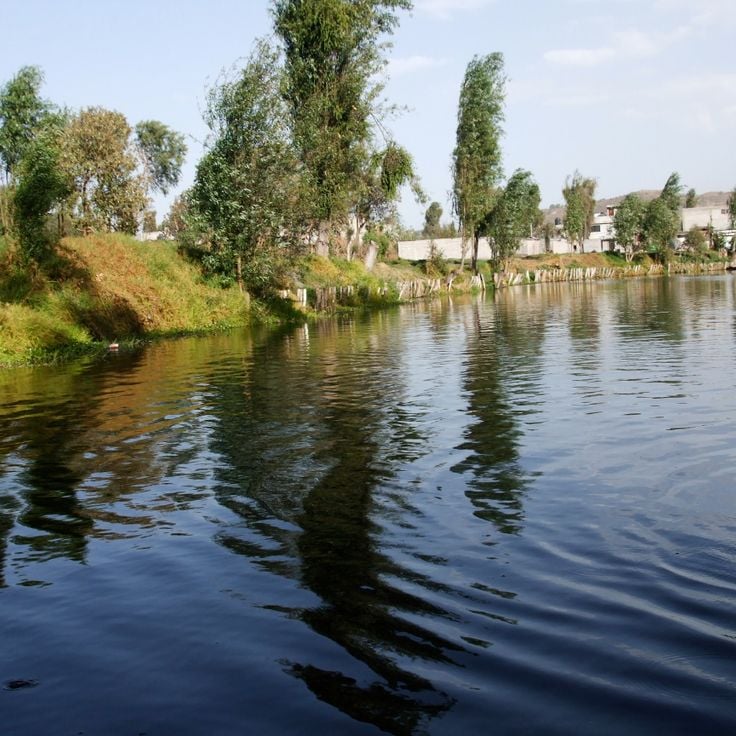
The Xochimilco Canals form a historic network of waterways and floating gardens built by the Aztecs. Today, colorful boats travel through these channels, showing how people have lived and worked with water for centuries. These canals connect Aztec heritage with the everyday life of Mexico City and represent an important part of the city's cultural history.
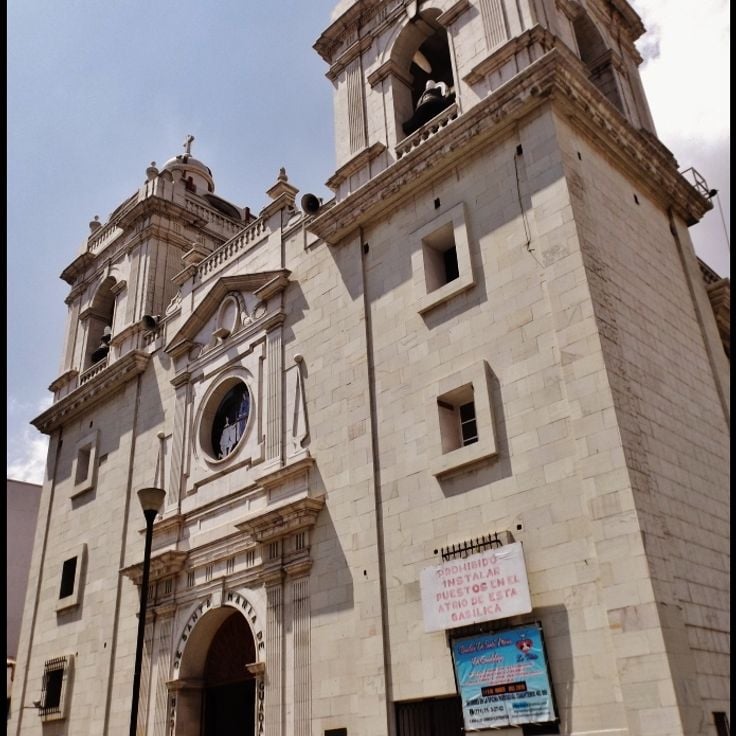
The Basilica of Our Lady of Guadalupe in Mexico City is a major Catholic pilgrimage destination. The sanctuary consists of two church buildings, with the newer structure completed in 1976. This modern basilica was designed to accommodate large numbers of worshippers in its main hall. As part of Mexico City's historic and cultural heritage, the basilica reflects the deep religious traditions that have shaped the city since colonial times.
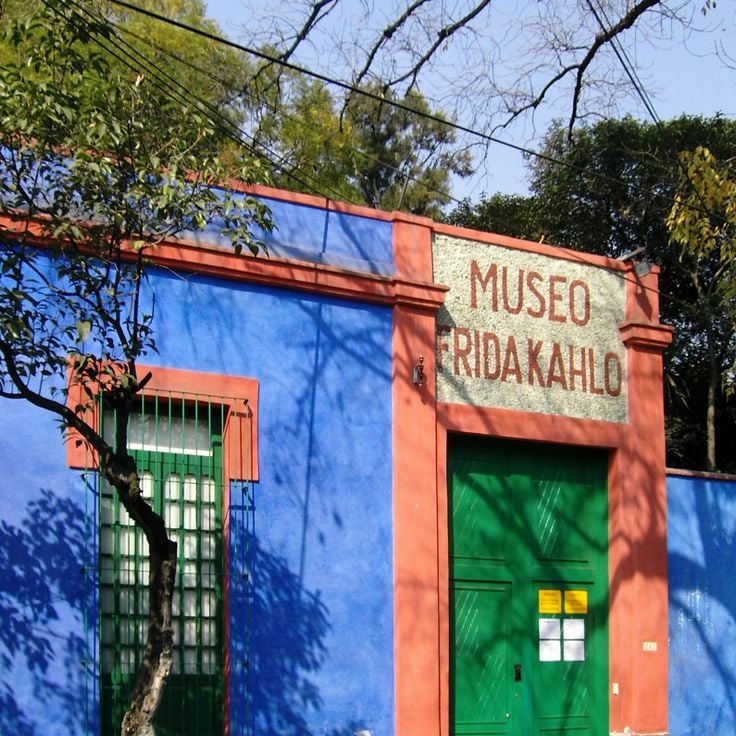
The Frida Kahlo Museum is the former home of the artist located in Coyoacán. Visitors find her original paintings, personal belongings, and the furniture from her daily life displayed throughout the house. The museum tells the story of an important Mexican artist and her connection to Mexico City. Together with other sites like Templo Mayor and Xochimilco canals, this museum contributes to Mexico City's rich blend of Aztec and Spanish colonial history.
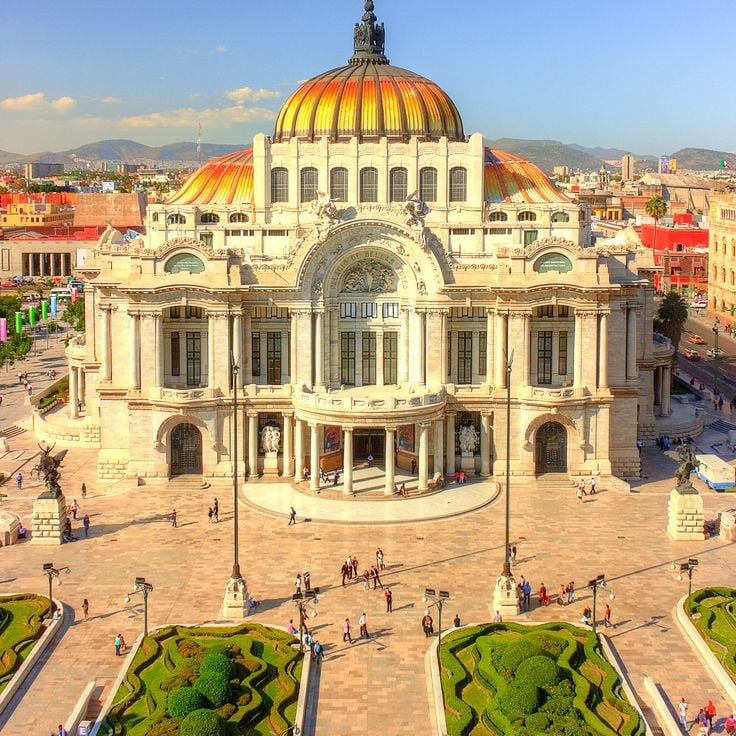
The Palace of Fine Arts stands in the heart of Mexico City and serves as a major cultural center with a striking marble facade. Built in 1934, this venue hosts exhibitions, theater productions, and concerts throughout the year. Inside the palace, visitors discover Mexican murals that reflect the country's artistic traditions and cultural values. The Palace of Fine Arts fits naturally into Mexico City's rich historical landscape, where Aztec and Spanish colonial influences blend with contemporary cultural expression.
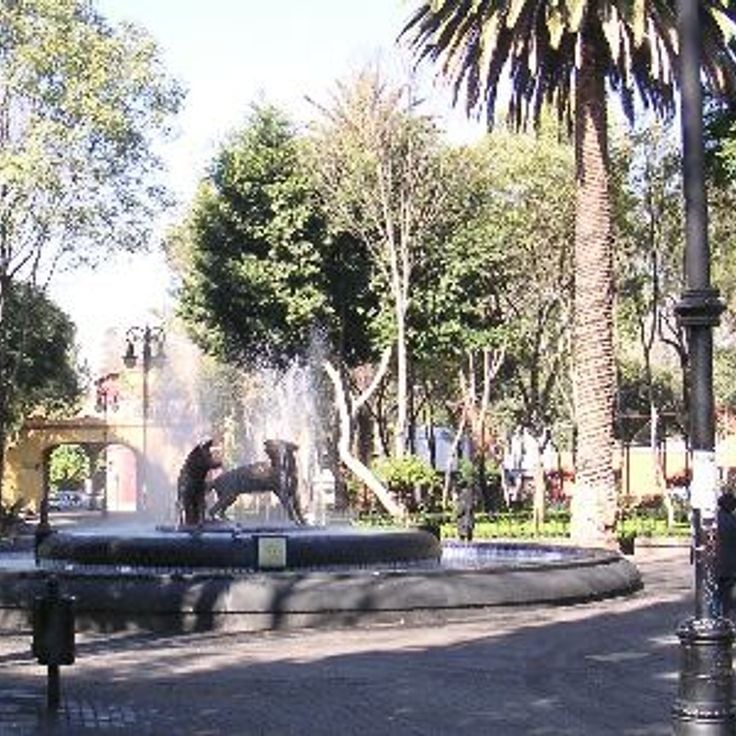
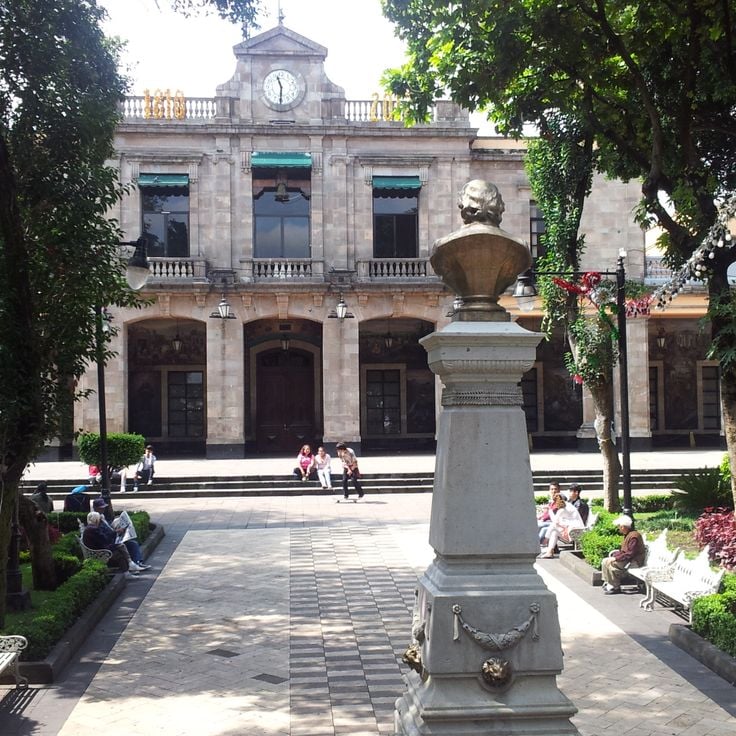
The Historic Center of Coyoacán is a district that reflects the rich history and culture of Mexico City. This place shows colonial architecture from the Spanish period and keeps its traditional character. Art galleries and the Frida Kahlo Museum are located here. On Plaza Hidalgo, people gather at restaurants serving traditional food. The district brings together the past with daily life today.
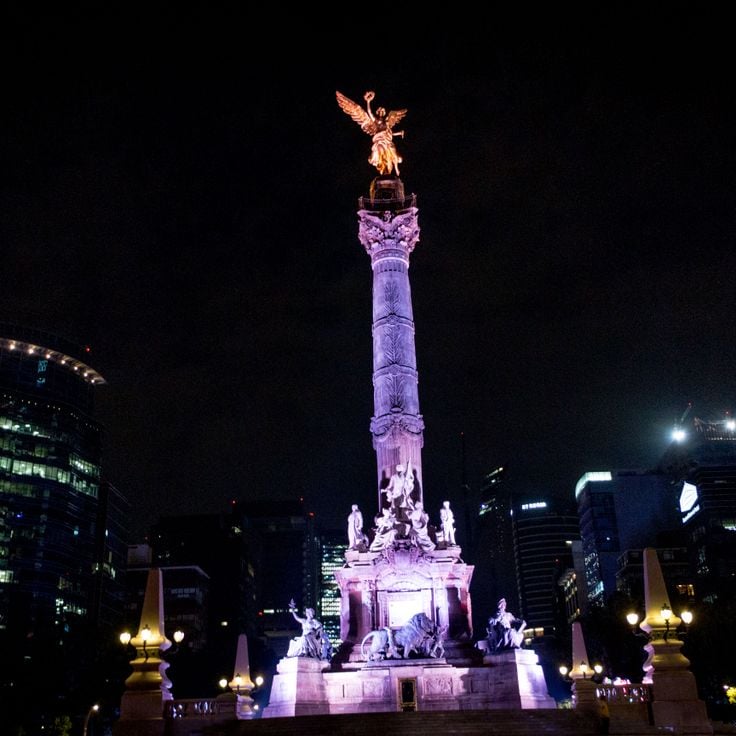
This column stands on Avenida Paseo de la Reforma in Mexico City and connects with the country's rich history of independence and identity. Rising 45 meters high, it was built in 1910 and crowned with a gilded victory goddess. The Independence Column marks a key moment in Mexico's journey and serves as a focal point where visitors encounter the nation's historical struggles and achievements.
The Plaza de la Constitución, known as the Zócalo, is Mexico City's main square and stands at the heart of the city's historic and cultural sites. It is surrounded by the impressive Cathedral, the National Palace, and other significant historic buildings. The plaza reflects the blending of Aztec and Spanish colonial history and serves as the center of urban life. Here, visitors can observe Mexico's architectural development across several centuries.
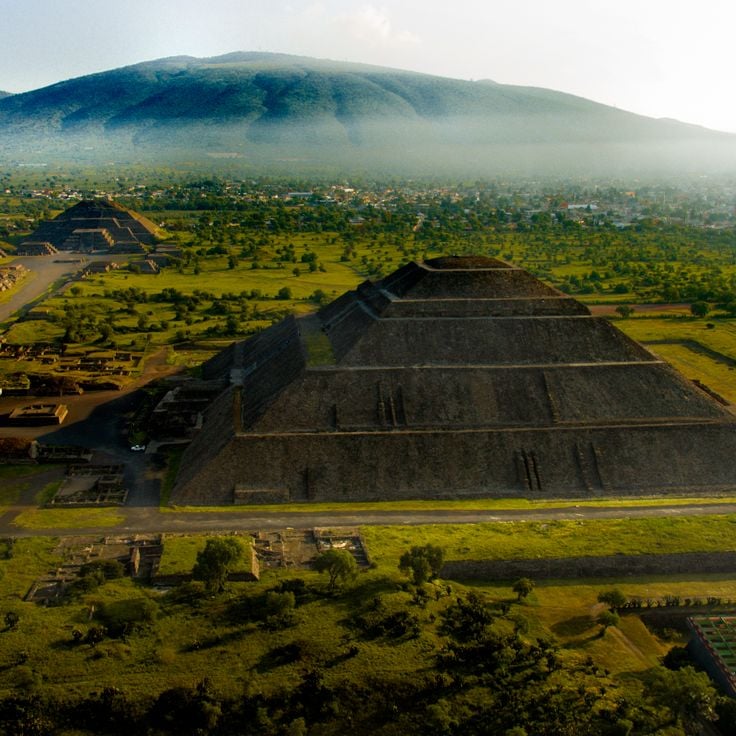
The Teotihuacan Archaeological Site is a major pre-Columbian city that helps visitors understand Mexico's deep history alongside the other monuments and sites throughout Mexico City. It features remarkable structures with geometric patterns and allows you to walk through the remains of a mesoamerican civilization that shaped the cultural foundation before Spanish arrival.
Polanco is an upscale district in the heart of Mexico City known for its international fashion brands, art galleries, and fine dining restaurants. Tree-lined streets connect the neighborhood to several parks where visitors can take a break from exploring the city. As part of Mexico City's historic and cultural sites, Polanco represents the modern facet of Mexican culture alongside the Aztec ruins and Spanish colonial monuments found throughout the capital.
The Plaza de las Tres Culturas in Tlatelolco displays the city's history through Aztec ruins, a colonial church, and modern buildings. This site brings together the pre-Hispanic past, Spanish colonial times, and contemporary architecture. Tlatelolco was once a major marketplace for the Aztecs and now serves as a window into the different periods that have shaped Mexico City.
Chapultepec Zoo is located within Chapultepec Park and houses more than 200 animal species from around the world. The zoo features enclosures, ponds, and information centers throughout its grounds. The zoo participates in conservation programs and allows visitors to observe animals up close and learn about their habitats and behaviors.
This museum presents Mexico's history from pre-Columbian times to the Mexican Revolution through artifacts, paintings, and documents. Located in Chapultepec Park, it serves as a central gathering place for understanding the nation's past. As part of Mexico City's historic and cultural sites, the museum complements the archaeological ruins and monuments throughout the city.
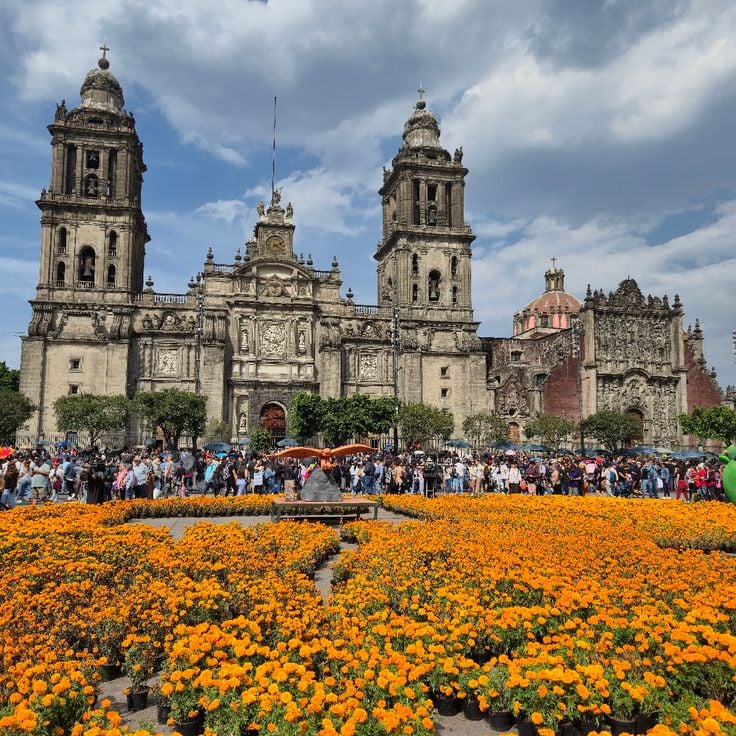
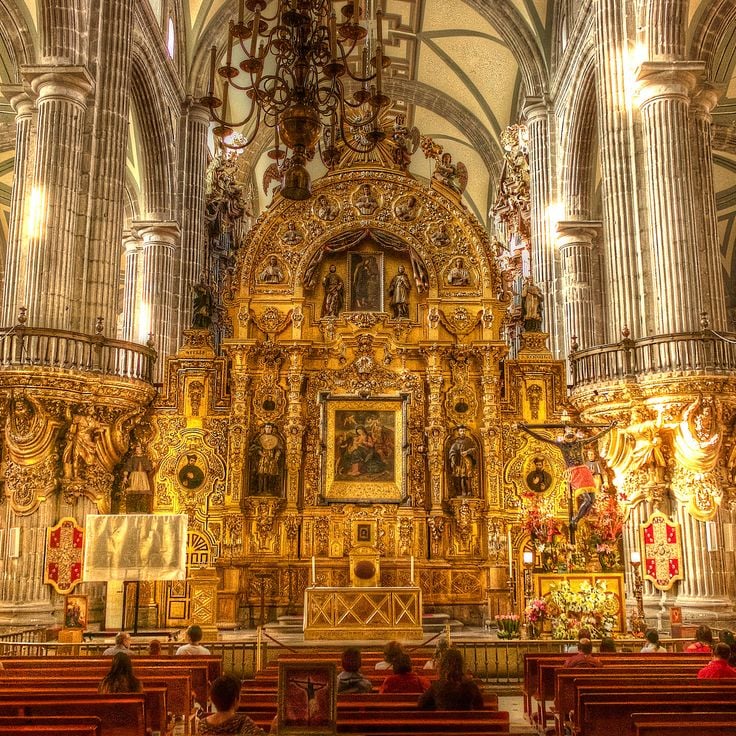
This cathedral is part of Mexico City's historic sites that blend Aztec and Spanish colonial history. The Metropolitan Cathedral displays Mexican architectural evolution across 250 years, combining Baroque, Churrigueresque, and Neoclassical elements in its construction.
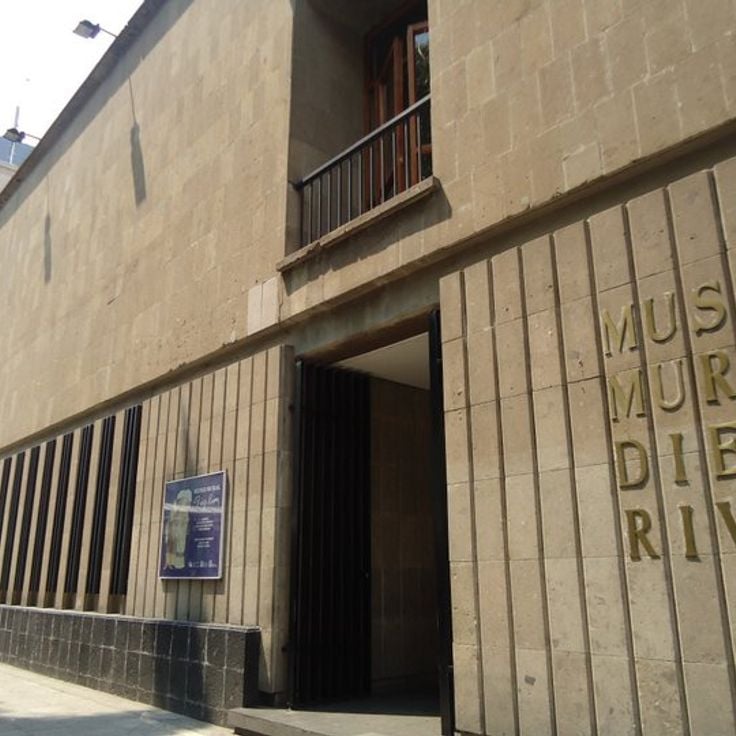
The Diego Rivera Museum is an important site in this collection of historic and cultural places in Mexico City. The museum houses large-scale wall paintings by the Mexican artist, including the restored 1934 work 'Man at the Crossroads'. These murals show Rivera's artistic power and his role in Mexican cultural history.
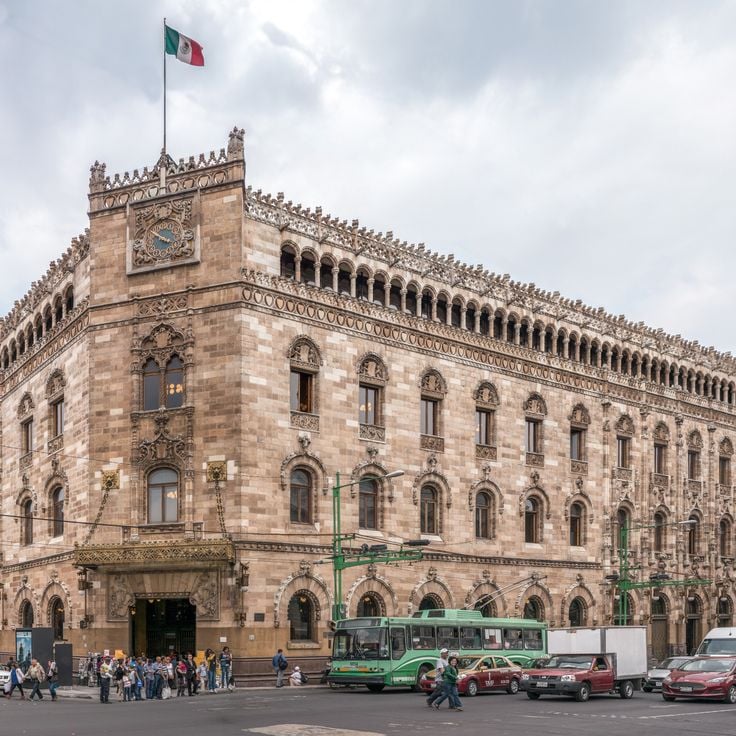
The Postal Palace is a beautiful building from the turn of the 20th century located in Mexico City's historic center. Built in the early 1900s, this structure displays Art Nouveau features with ornate details, elegant staircases, and intricate ironwork. The palace continues to serve as a working postal facility and stands as a testament to the city's rich architectural and cultural heritage.
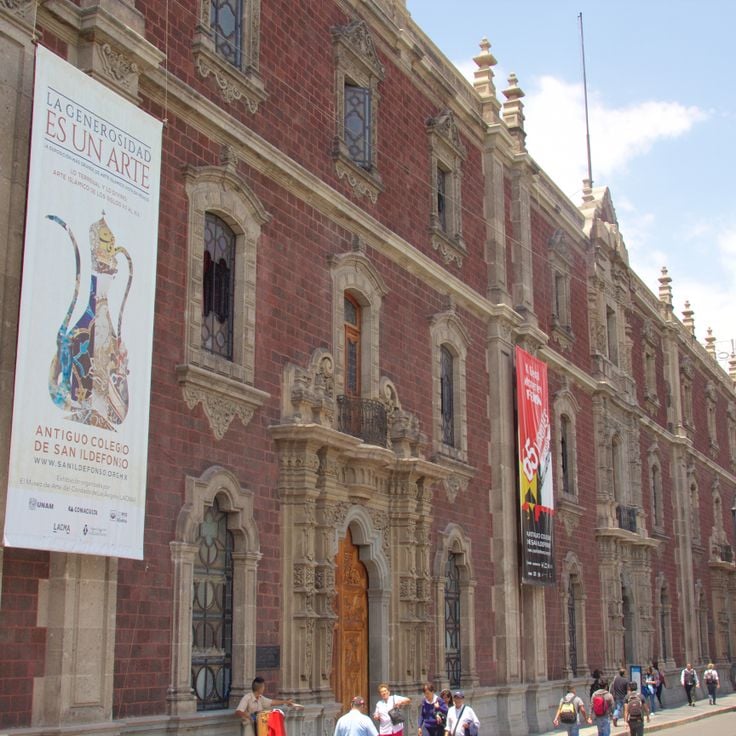
San Ildefonso College is a colonial school building in Mexico City that combines Aztec and Spanish colonial history through its architecture and murals. The interior courtyards and classrooms showcase centuries of educational tradition, while Diego Rivera and other artists created murals that reflect the cultural heritage of the region.
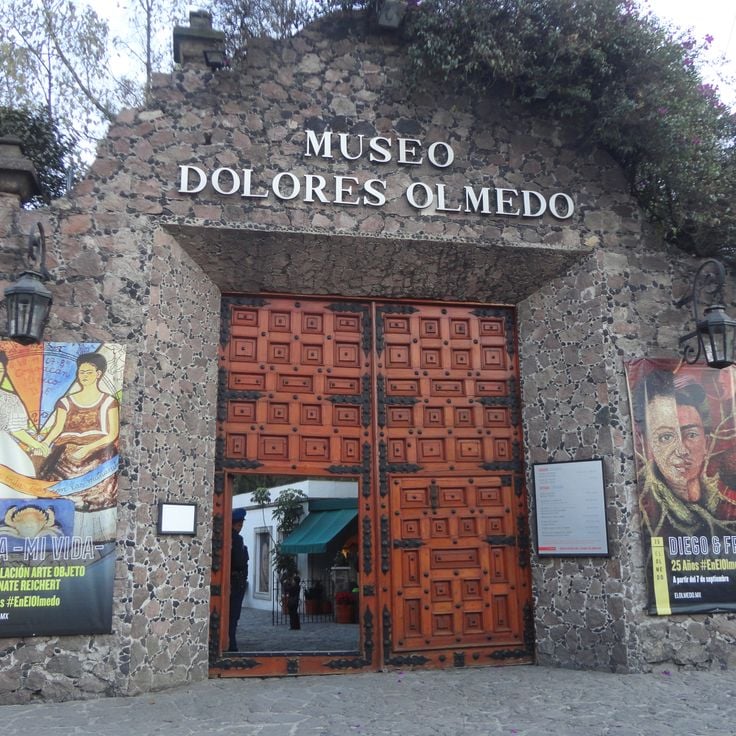
The Dolores Olmedo Museum in Xochimilco contributes to the historic and cultural sites of Mexico City. Housed in a residential building, this museum displays works by Frida Kahlo and Diego Rivera alongside pre-Columbian art and traditional Mexican folk objects. The collections offer insights into the artistic vision of these important artists and Mexico's cultural diversity.
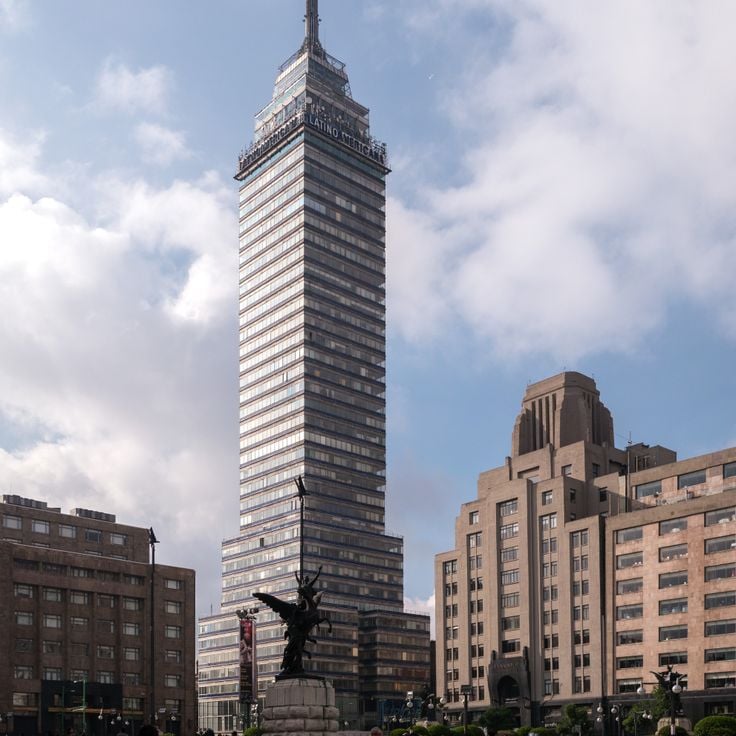
The Tower of the Americas is a tall building that rises above the historic center of Mexico City, completed in the 1950s. As part of the city that combines Aztec and Spanish colonial history, this tower offers an observation deck where visitors can see the entire city from above. From this vantage point, you can take in the monuments, museums, and archaeological sites that define Mexico City.
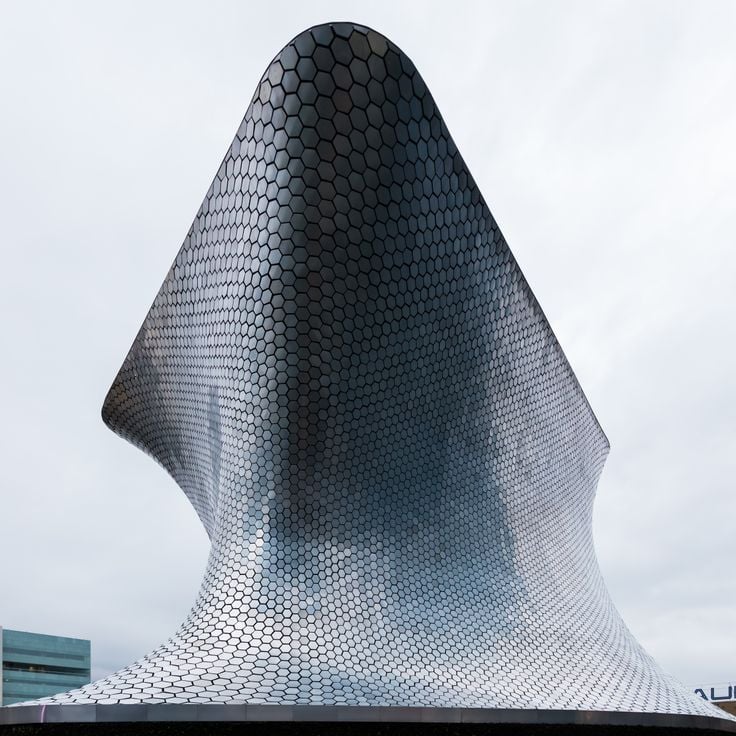
The Soumaya Museum is a contemporary building with a distinctive hexagonal tile facade. Inside are paintings, sculptures and decorative arts from various periods. It adds to the collection of artworks that define Mexico City as a major cultural center, shaped by a blend of Aztec and Spanish colonial history.
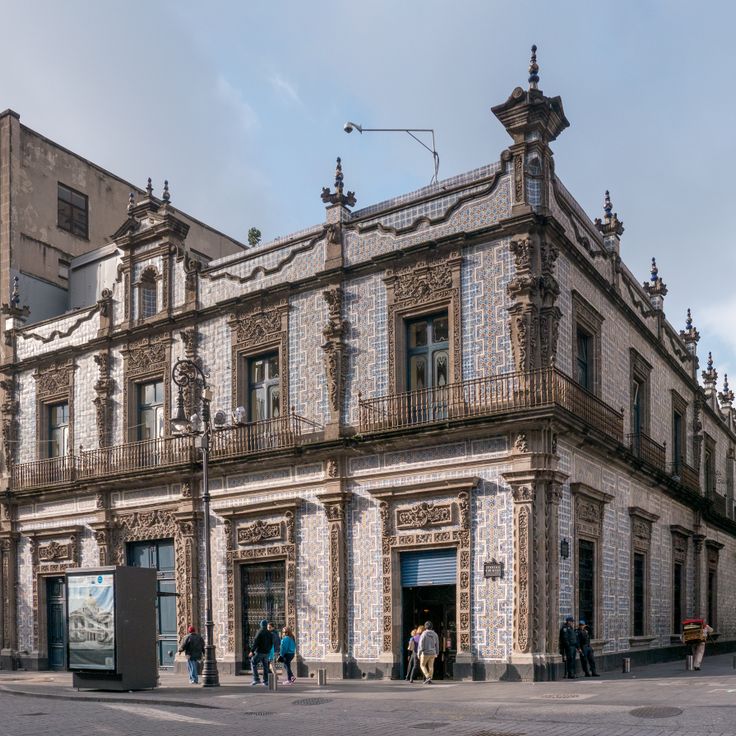
The House of Tiles is a colonial palace in Mexico City's historic center that shows the richness of the city's past. The building features decoration with blue and white tiles from Puebla. The interior courtyard and restaurant inside reflect the elegance of this 18th-century structure and fit well with the city's history, which blends Aztec and Spanish colonial influences.
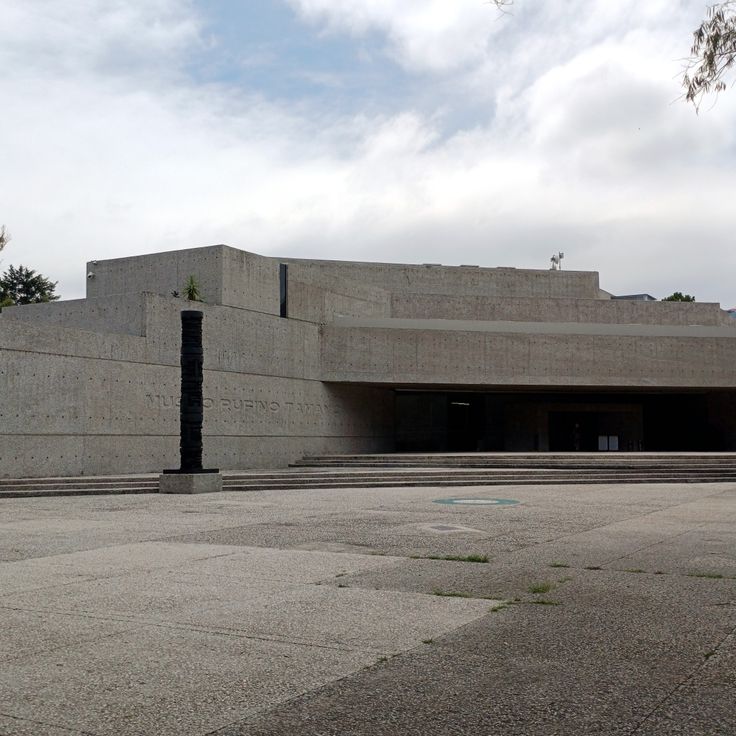
The Tamayo Museum is an art museum in Chapultepec Park that displays modern and contemporary works. It contributes to the cultural richness of Mexico City, where Aztec and Spanish colonial history come alive through museums and archaeological sites. The museum features works by international and Mexican artists within a park that also holds historic monuments.
Tlalpan Historic Center is a colonial town within the city that contributes to Mexico City's collection of historic and cultural sites. The area preserves its original layout from centuries past, with a central plaza surrounded by churches, haciendas, and traditional buildings. This settlement shows the layers of Aztec and Spanish colonial history that shape the cultural heritage of Mexico City.
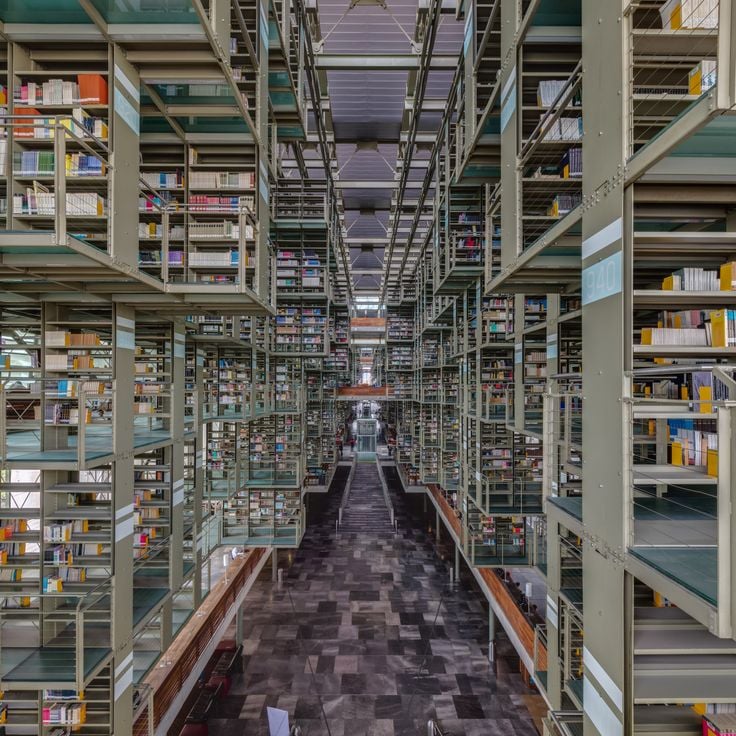
The Vasconcelos Library is a modern building that serves as an important cultural site in Mexico City, showcasing contemporary architecture in the country. Inside, suspended bookshelves, reading areas, and generous bright spaces invite visitors to spend time learning and exploring.
The Museum of the Templo Mayor stands next to the Aztec ruins in Mexico City and displays artifacts from the temple. You will find stone sculptures, pottery, and tools from daily life. The museum helps you understand the Aztec past, which is a central part of Mexico City's history.
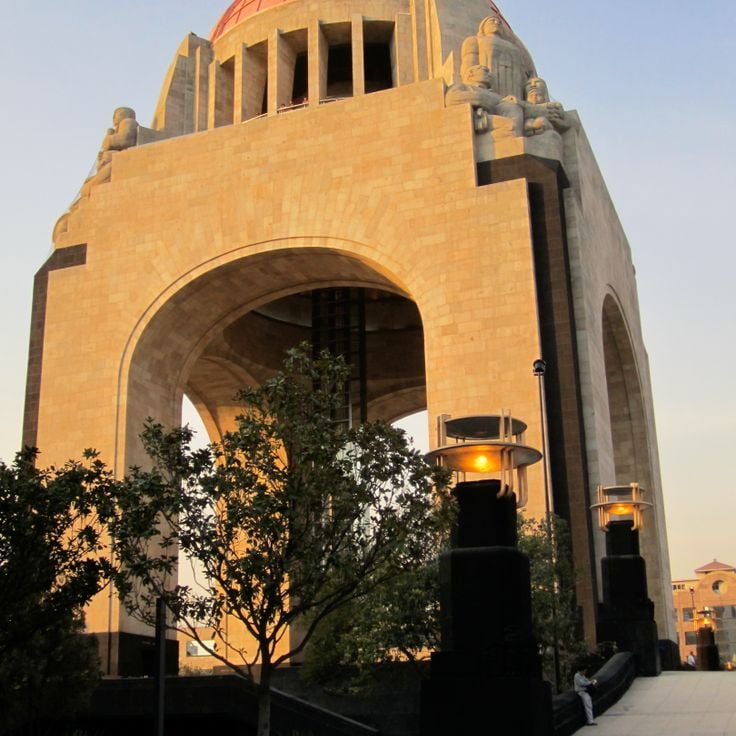
The Monument to the Revolution is a large stone structure built in the early 1900s to honor Mexico's independence. As part of Mexico City's rich historical heritage alongside the Aztec ruins of Templo Mayor and the canals of Xochimilco, this monument reflects the city's blend of cultures and history. You can climb the dome for views of the city and surrounding neighborhoods.
San Ángel is a historic district in Mexico City that contributes to the city's rich cultural landscape. The cobblestone streets wind past colonial houses and art galleries, reflecting the region's artistic heritage. Small plazas with gardens and cafes serve as gathering places for locals and visitors alike. San Ángel blends historical architecture with contemporary art culture.
The Museum of Folk Art displays traditional crafts and objects created by artisans from across Mexico. The collection features textiles, masks, pottery and decorative items that reflect the handmade traditions of different Mexican regions. As part of the historic and cultural sites of Mexico City, this museum preserves cultural heritage alongside monuments like the National Palace and archaeological sites like Templo Mayor.
The National Palace at the Zócalo is a central landmark in Mexico City's history. The building houses government offices and displays a collection of murals depicting Mexican history. As part of the city's historic and cultural sites, the palace connects Spanish colonial architecture with artistic works that tell the story of Mexico's heritage and identity.
Chapultepec Castle stands on a hilltop in the heart of Mexico City and is part of the city's rich cultural heritage. Built in the 18th century, the castle originally served as an imperial residence. It later functioned as a military academy. Today, Chapultepec Castle houses a museum where visitors can explore Mexican history. The building also offers views across the city.
The National Museum of Anthropology in Chapultepec Park holds artifacts and objects from pre-Columbian Mexican cultures, including the Aztecs and Mayas. This museum helps you understand how these ancient peoples lived, what they believed in, and what they created. Walking through the galleries, you see sculptures, pottery, jewelry, and other items that show the creativity and knowledge of these civilizations. The museum is a place where you can spend hours learning about Mexico's past through the objects people left behind.
The Templo Mayor was the central religious sanctuary of the Aztecs and was discovered in 1978. It shows seven construction phases that took place between 1325 and 1521. These ruins are among the most important archaeological sites in Mexico City and complement the city's history, which blends Spanish colonial architecture with Aztec traditions.
The Xochimilco Canals form a historic network of waterways and floating gardens built by the Aztecs. Today, colorful boats travel through these channels, showing how people have lived and worked with water for centuries. These canals connect Aztec heritage with the everyday life of Mexico City and represent an important part of the city's cultural history.
The Basilica of Our Lady of Guadalupe in Mexico City is a major Catholic pilgrimage destination. The sanctuary consists of two church buildings, with the newer structure completed in 1976. This modern basilica was designed to accommodate large numbers of worshippers in its main hall. As part of Mexico City's historic and cultural heritage, the basilica reflects the deep religious traditions that have shaped the city since colonial times.
The Frida Kahlo Museum is the former home of the artist located in Coyoacán. Visitors find her original paintings, personal belongings, and the furniture from her daily life displayed throughout the house. The museum tells the story of an important Mexican artist and her connection to Mexico City. Together with other sites like Templo Mayor and Xochimilco canals, this museum contributes to Mexico City's rich blend of Aztec and Spanish colonial history.
The Palace of Fine Arts stands in the heart of Mexico City and serves as a major cultural center with a striking marble facade. Built in 1934, this venue hosts exhibitions, theater productions, and concerts throughout the year. Inside the palace, visitors discover Mexican murals that reflect the country's artistic traditions and cultural values. The Palace of Fine Arts fits naturally into Mexico City's rich historical landscape, where Aztec and Spanish colonial influences blend with contemporary cultural expression.
The Historic Center of Coyoacán is a district that reflects the rich history and culture of Mexico City. This place shows colonial architecture from the Spanish period and keeps its traditional character. Art galleries and the Frida Kahlo Museum are located here. On Plaza Hidalgo, people gather at restaurants serving traditional food. The district brings together the past with daily life today.
This column stands on Avenida Paseo de la Reforma in Mexico City and connects with the country's rich history of independence and identity. Rising 45 meters high, it was built in 1910 and crowned with a gilded victory goddess. The Independence Column marks a key moment in Mexico's journey and serves as a focal point where visitors encounter the nation's historical struggles and achievements.
The Plaza de la Constitución, known as the Zócalo, is Mexico City's main square and stands at the heart of the city's historic and cultural sites. It is surrounded by the impressive Cathedral, the National Palace, and other significant historic buildings. The plaza reflects the blending of Aztec and Spanish colonial history and serves as the center of urban life. Here, visitors can observe Mexico's architectural development across several centuries.
The Teotihuacan Archaeological Site is a major pre-Columbian city that helps visitors understand Mexico's deep history alongside the other monuments and sites throughout Mexico City. It features remarkable structures with geometric patterns and allows you to walk through the remains of a mesoamerican civilization that shaped the cultural foundation before Spanish arrival.
Polanco is an upscale district in the heart of Mexico City known for its international fashion brands, art galleries, and fine dining restaurants. Tree-lined streets connect the neighborhood to several parks where visitors can take a break from exploring the city. As part of Mexico City's historic and cultural sites, Polanco represents the modern facet of Mexican culture alongside the Aztec ruins and Spanish colonial monuments found throughout the capital.
The Plaza de las Tres Culturas in Tlatelolco displays the city's history through Aztec ruins, a colonial church, and modern buildings. This site brings together the pre-Hispanic past, Spanish colonial times, and contemporary architecture. Tlatelolco was once a major marketplace for the Aztecs and now serves as a window into the different periods that have shaped Mexico City.
Chapultepec Zoo is located within Chapultepec Park and houses more than 200 animal species from around the world. The zoo features enclosures, ponds, and information centers throughout its grounds. The zoo participates in conservation programs and allows visitors to observe animals up close and learn about their habitats and behaviors.
This museum presents Mexico's history from pre-Columbian times to the Mexican Revolution through artifacts, paintings, and documents. Located in Chapultepec Park, it serves as a central gathering place for understanding the nation's past. As part of Mexico City's historic and cultural sites, the museum complements the archaeological ruins and monuments throughout the city.
This cathedral is part of Mexico City's historic sites that blend Aztec and Spanish colonial history. The Metropolitan Cathedral displays Mexican architectural evolution across 250 years, combining Baroque, Churrigueresque, and Neoclassical elements in its construction.
The Diego Rivera Museum is an important site in this collection of historic and cultural places in Mexico City. The museum houses large-scale wall paintings by the Mexican artist, including the restored 1934 work 'Man at the Crossroads'. These murals show Rivera's artistic power and his role in Mexican cultural history.
The Postal Palace is a beautiful building from the turn of the 20th century located in Mexico City's historic center. Built in the early 1900s, this structure displays Art Nouveau features with ornate details, elegant staircases, and intricate ironwork. The palace continues to serve as a working postal facility and stands as a testament to the city's rich architectural and cultural heritage.
San Ildefonso College is a colonial school building in Mexico City that combines Aztec and Spanish colonial history through its architecture and murals. The interior courtyards and classrooms showcase centuries of educational tradition, while Diego Rivera and other artists created murals that reflect the cultural heritage of the region.
The Dolores Olmedo Museum in Xochimilco contributes to the historic and cultural sites of Mexico City. Housed in a residential building, this museum displays works by Frida Kahlo and Diego Rivera alongside pre-Columbian art and traditional Mexican folk objects. The collections offer insights into the artistic vision of these important artists and Mexico's cultural diversity.
The Tower of the Americas is a tall building that rises above the historic center of Mexico City, completed in the 1950s. As part of the city that combines Aztec and Spanish colonial history, this tower offers an observation deck where visitors can see the entire city from above. From this vantage point, you can take in the monuments, museums, and archaeological sites that define Mexico City.
The Soumaya Museum is a contemporary building with a distinctive hexagonal tile facade. Inside are paintings, sculptures and decorative arts from various periods. It adds to the collection of artworks that define Mexico City as a major cultural center, shaped by a blend of Aztec and Spanish colonial history.
The House of Tiles is a colonial palace in Mexico City's historic center that shows the richness of the city's past. The building features decoration with blue and white tiles from Puebla. The interior courtyard and restaurant inside reflect the elegance of this 18th-century structure and fit well with the city's history, which blends Aztec and Spanish colonial influences.
The Tamayo Museum is an art museum in Chapultepec Park that displays modern and contemporary works. It contributes to the cultural richness of Mexico City, where Aztec and Spanish colonial history come alive through museums and archaeological sites. The museum features works by international and Mexican artists within a park that also holds historic monuments.
Tlalpan Historic Center is a colonial town within the city that contributes to Mexico City's collection of historic and cultural sites. The area preserves its original layout from centuries past, with a central plaza surrounded by churches, haciendas, and traditional buildings. This settlement shows the layers of Aztec and Spanish colonial history that shape the cultural heritage of Mexico City.
The Vasconcelos Library is a modern building that serves as an important cultural site in Mexico City, showcasing contemporary architecture in the country. Inside, suspended bookshelves, reading areas, and generous bright spaces invite visitors to spend time learning and exploring.
The Museum of the Templo Mayor stands next to the Aztec ruins in Mexico City and displays artifacts from the temple. You will find stone sculptures, pottery, and tools from daily life. The museum helps you understand the Aztec past, which is a central part of Mexico City's history.
The Monument to the Revolution is a large stone structure built in the early 1900s to honor Mexico's independence. As part of Mexico City's rich historical heritage alongside the Aztec ruins of Templo Mayor and the canals of Xochimilco, this monument reflects the city's blend of cultures and history. You can climb the dome for views of the city and surrounding neighborhoods.
San Ángel is a historic district in Mexico City that contributes to the city's rich cultural landscape. The cobblestone streets wind past colonial houses and art galleries, reflecting the region's artistic heritage. Small plazas with gardens and cafes serve as gathering places for locals and visitors alike. San Ángel blends historical architecture with contemporary art culture.
The Museum of Folk Art displays traditional crafts and objects created by artisans from across Mexico. The collection features textiles, masks, pottery and decorative items that reflect the handmade traditions of different Mexican regions. As part of the historic and cultural sites of Mexico City, this museum preserves cultural heritage alongside monuments like the National Palace and archaeological sites like Templo Mayor.
The National Palace at the Zócalo is a central landmark in Mexico City's history. The building houses government offices and displays a collection of murals depicting Mexican history. As part of the city's historic and cultural sites, the palace connects Spanish colonial architecture with artistic works that tell the story of Mexico's heritage and identity.
Chapultepec Castle stands on a hilltop in the heart of Mexico City and is part of the city's rich cultural heritage. Built in the 18th century, the castle originally served as an imperial residence. It later functioned as a military academy. Today, Chapultepec Castle houses a museum where visitors can explore Mexican history. The building also offers views across the city.
The National Museum of Anthropology in Chapultepec Park holds artifacts and objects from pre-Columbian Mexican cultures, including the Aztecs and Mayas. This museum helps you understand how these ancient peoples lived, what they believed in, and what they created. Walking through the galleries, you see sculptures, pottery, jewelry, and other items that show the creativity and knowledge of these civilizations. The museum is a place where you can spend hours learning about Mexico's past through the objects people left behind.
The Templo Mayor was the central religious sanctuary of the Aztecs and was discovered in 1978. It shows seven construction phases that took place between 1325 and 1521. These ruins are among the most important archaeological sites in Mexico City and complement the city's history, which blends Spanish colonial architecture with Aztec traditions.
The Xochimilco Canals form a historic network of waterways and floating gardens built by the Aztecs. Today, colorful boats travel through these channels, showing how people have lived and worked with water for centuries. These canals connect Aztec heritage with the everyday life of Mexico City and represent an important part of the city's cultural history.
The Basilica of Our Lady of Guadalupe in Mexico City is a major Catholic pilgrimage destination. The sanctuary consists of two church buildings, with the newer structure completed in 1976. This modern basilica was designed to accommodate large numbers of worshippers in its main hall. As part of Mexico City's historic and cultural heritage, the basilica reflects the deep religious traditions that have shaped the city since colonial times.
The Frida Kahlo Museum is the former home of the artist located in Coyoacán. Visitors find her original paintings, personal belongings, and the furniture from her daily life displayed throughout the house. The museum tells the story of an important Mexican artist and her connection to Mexico City. Together with other sites like Templo Mayor and Xochimilco canals, this museum contributes to Mexico City's rich blend of Aztec and Spanish colonial history.
The Palace of Fine Arts stands in the heart of Mexico City and serves as a major cultural center with a striking marble facade. Built in 1934, this venue hosts exhibitions, theater productions, and concerts throughout the year. Inside the palace, visitors discover Mexican murals that reflect the country's artistic traditions and cultural values. The Palace of Fine Arts fits naturally into Mexico City's rich historical landscape, where Aztec and Spanish colonial influences blend with contemporary cultural expression.
The Historic Center of Coyoacán is a district that reflects the rich history and culture of Mexico City. This place shows colonial architecture from the Spanish period and keeps its traditional character. Art galleries and the Frida Kahlo Museum are located here. On Plaza Hidalgo, people gather at restaurants serving traditional food. The district brings together the past with daily life today.
This column stands on Avenida Paseo de la Reforma in Mexico City and connects with the country's rich history of independence and identity. Rising 45 meters high, it was built in 1910 and crowned with a gilded victory goddess. The Independence Column marks a key moment in Mexico's journey and serves as a focal point where visitors encounter the nation's historical struggles and achievements.
The Plaza de la Constitución, known as the Zócalo, is Mexico City's main square and stands at the heart of the city's historic and cultural sites. It is surrounded by the impressive Cathedral, the National Palace, and other significant historic buildings. The plaza reflects the blending of Aztec and Spanish colonial history and serves as the center of urban life. Here, visitors can observe Mexico's architectural development across several centuries.
The Teotihuacan Archaeological Site is a major pre-Columbian city that helps visitors understand Mexico's deep history alongside the other monuments and sites throughout Mexico City. It features remarkable structures with geometric patterns and allows you to walk through the remains of a mesoamerican civilization that shaped the cultural foundation before Spanish arrival.
Polanco is an upscale district in the heart of Mexico City known for its international fashion brands, art galleries, and fine dining restaurants. Tree-lined streets connect the neighborhood to several parks where visitors can take a break from exploring the city. As part of Mexico City's historic and cultural sites, Polanco represents the modern facet of Mexican culture alongside the Aztec ruins and Spanish colonial monuments found throughout the capital.
The Plaza de las Tres Culturas in Tlatelolco displays the city's history through Aztec ruins, a colonial church, and modern buildings. This site brings together the pre-Hispanic past, Spanish colonial times, and contemporary architecture. Tlatelolco was once a major marketplace for the Aztecs and now serves as a window into the different periods that have shaped Mexico City.
Chapultepec Zoo is located within Chapultepec Park and houses more than 200 animal species from around the world. The zoo features enclosures, ponds, and information centers throughout its grounds. The zoo participates in conservation programs and allows visitors to observe animals up close and learn about their habitats and behaviors.
This museum presents Mexico's history from pre-Columbian times to the Mexican Revolution through artifacts, paintings, and documents. Located in Chapultepec Park, it serves as a central gathering place for understanding the nation's past. As part of Mexico City's historic and cultural sites, the museum complements the archaeological ruins and monuments throughout the city.
This cathedral is part of Mexico City's historic sites that blend Aztec and Spanish colonial history. The Metropolitan Cathedral displays Mexican architectural evolution across 250 years, combining Baroque, Churrigueresque, and Neoclassical elements in its construction.
The Diego Rivera Museum is an important site in this collection of historic and cultural places in Mexico City. The museum houses large-scale wall paintings by the Mexican artist, including the restored 1934 work 'Man at the Crossroads'. These murals show Rivera's artistic power and his role in Mexican cultural history.
The Postal Palace is a beautiful building from the turn of the 20th century located in Mexico City's historic center. Built in the early 1900s, this structure displays Art Nouveau features with ornate details, elegant staircases, and intricate ironwork. The palace continues to serve as a working postal facility and stands as a testament to the city's rich architectural and cultural heritage.
San Ildefonso College is a colonial school building in Mexico City that combines Aztec and Spanish colonial history through its architecture and murals. The interior courtyards and classrooms showcase centuries of educational tradition, while Diego Rivera and other artists created murals that reflect the cultural heritage of the region.
The Dolores Olmedo Museum in Xochimilco contributes to the historic and cultural sites of Mexico City. Housed in a residential building, this museum displays works by Frida Kahlo and Diego Rivera alongside pre-Columbian art and traditional Mexican folk objects. The collections offer insights into the artistic vision of these important artists and Mexico's cultural diversity.
The Tower of the Americas is a tall building that rises above the historic center of Mexico City, completed in the 1950s. As part of the city that combines Aztec and Spanish colonial history, this tower offers an observation deck where visitors can see the entire city from above. From this vantage point, you can take in the monuments, museums, and archaeological sites that define Mexico City.
The Soumaya Museum is a contemporary building with a distinctive hexagonal tile facade. Inside are paintings, sculptures and decorative arts from various periods. It adds to the collection of artworks that define Mexico City as a major cultural center, shaped by a blend of Aztec and Spanish colonial history.
The House of Tiles is a colonial palace in Mexico City's historic center that shows the richness of the city's past. The building features decoration with blue and white tiles from Puebla. The interior courtyard and restaurant inside reflect the elegance of this 18th-century structure and fit well with the city's history, which blends Aztec and Spanish colonial influences.
The Tamayo Museum is an art museum in Chapultepec Park that displays modern and contemporary works. It contributes to the cultural richness of Mexico City, where Aztec and Spanish colonial history come alive through museums and archaeological sites. The museum features works by international and Mexican artists within a park that also holds historic monuments.
Tlalpan Historic Center is a colonial town within the city that contributes to Mexico City's collection of historic and cultural sites. The area preserves its original layout from centuries past, with a central plaza surrounded by churches, haciendas, and traditional buildings. This settlement shows the layers of Aztec and Spanish colonial history that shape the cultural heritage of Mexico City.
The Vasconcelos Library is a modern building that serves as an important cultural site in Mexico City, showcasing contemporary architecture in the country. Inside, suspended bookshelves, reading areas, and generous bright spaces invite visitors to spend time learning and exploring.
The Museum of the Templo Mayor stands next to the Aztec ruins in Mexico City and displays artifacts from the temple. You will find stone sculptures, pottery, and tools from daily life. The museum helps you understand the Aztec past, which is a central part of Mexico City's history.
The Monument to the Revolution is a large stone structure built in the early 1900s to honor Mexico's independence. As part of Mexico City's rich historical heritage alongside the Aztec ruins of Templo Mayor and the canals of Xochimilco, this monument reflects the city's blend of cultures and history. You can climb the dome for views of the city and surrounding neighborhoods.
San Ángel is a historic district in Mexico City that contributes to the city's rich cultural landscape. The cobblestone streets wind past colonial houses and art galleries, reflecting the region's artistic heritage. Small plazas with gardens and cafes serve as gathering places for locals and visitors alike. San Ángel blends historical architecture with contemporary art culture.
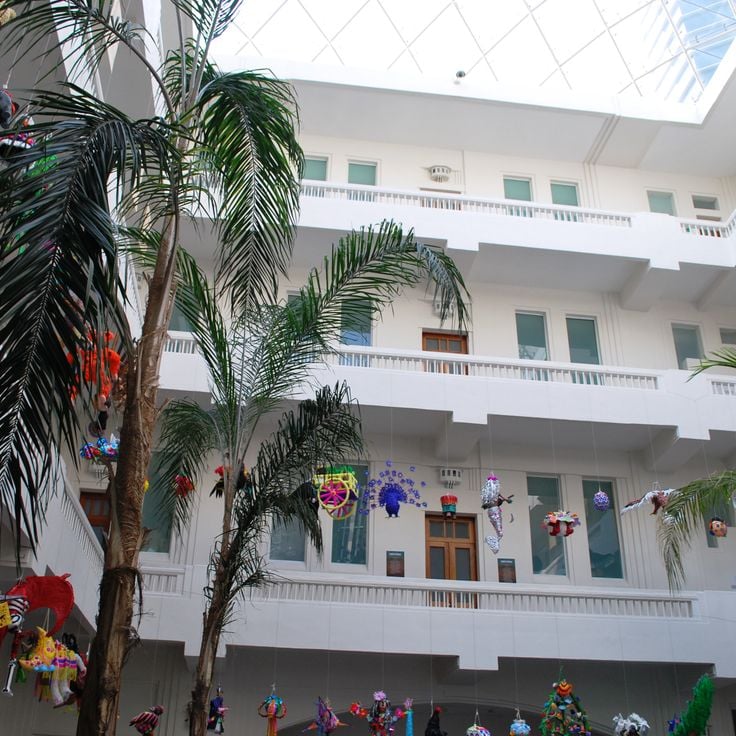
The Museum of Folk Art displays traditional crafts and objects created by artisans from across Mexico. The collection features textiles, masks, pottery and decorative items that reflect the handmade traditions of different Mexican regions. As part of the historic and cultural sites of Mexico City, this museum preserves cultural heritage alongside monuments like the National Palace and archaeological sites like Templo Mayor.