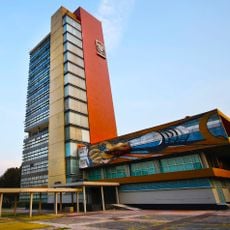
Álvaro Obregón, Administrative division in western Mexico City, Mexico.
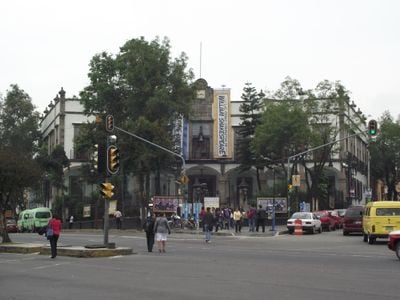
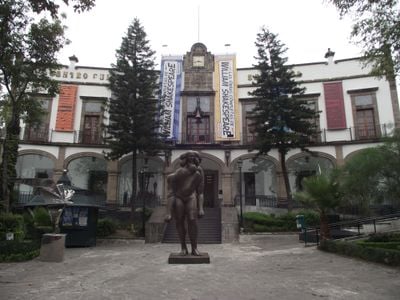
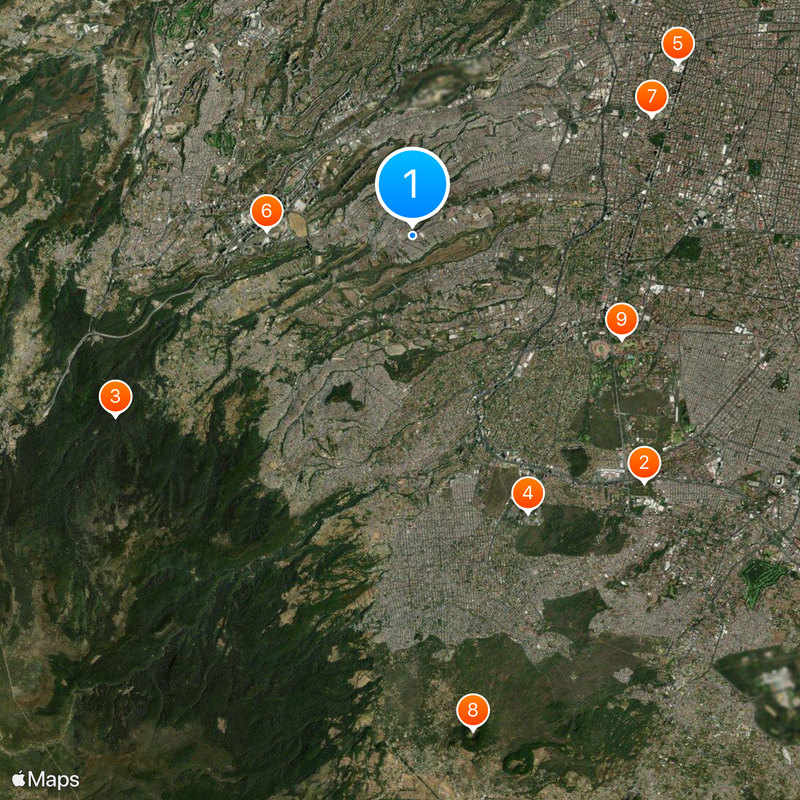
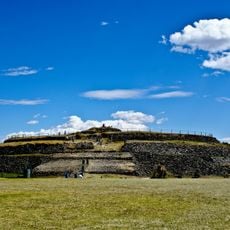
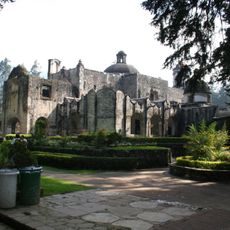
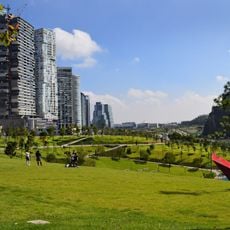
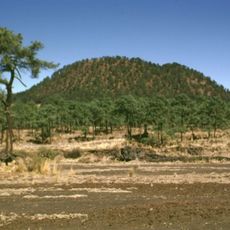
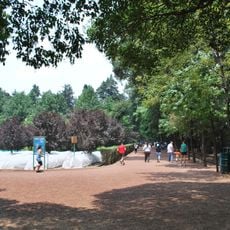
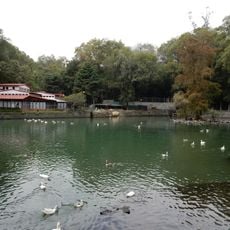
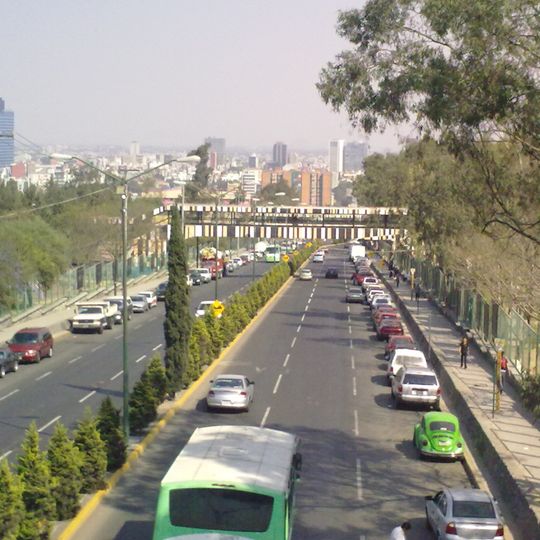
This western administrative unit covers 96 square kilometers and ranges from low valleys in the east to forested slopes near the city mountains. The area includes residential zones, business districts and several parks crossed by major roads.
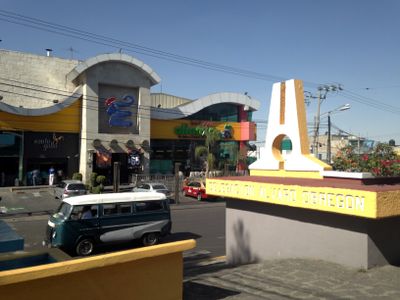
The area took its name from Revolution general Álvaro Obregón, who was shot in a restaurant here in 1928. Archaeologists found Ice Age fossils near San Bartolo Ameyalco in the late 1950s.
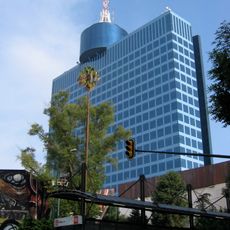
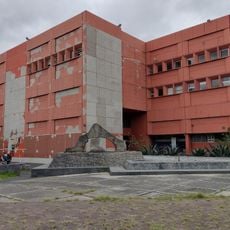
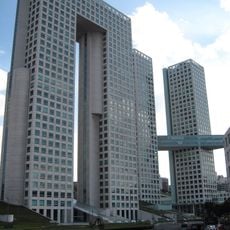
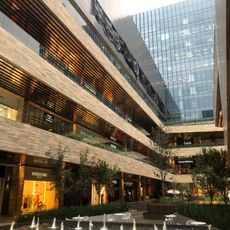
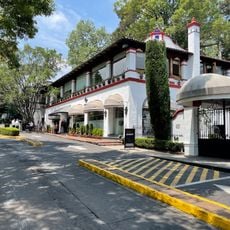
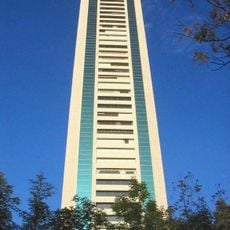
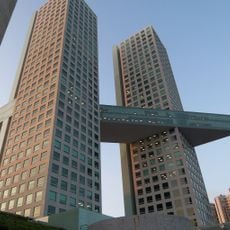
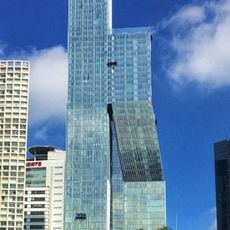
The Japanese Mexican Cultural Center in Santa Fe offers language classes, film screenings and tea ceremonies open to visitors of all ages. The western part of the area shows residential neighborhoods with narrow streets and small plazas, while the eastern high-rise district is defined by offices and shopping centers.
Temperatures remain comfortable year-round, with rainy months from April to June keeping plants in the parks green. Public transport connects the eastern parts well to the center, while the western slopes are quieter and less accessible.
Paleontologists recovered horse and mammoth skeletons in 1959 from a valley that had kept them buried tens of thousands of years beneath the surface. The discovery site sits in what is now a built-up neighborhood, though some fossils are kept in local museums.
The community of curious travelers
AroundUs brings together thousands of curated places, local tips, and hidden gems, enriched daily by 91,287 contributors worldwide.