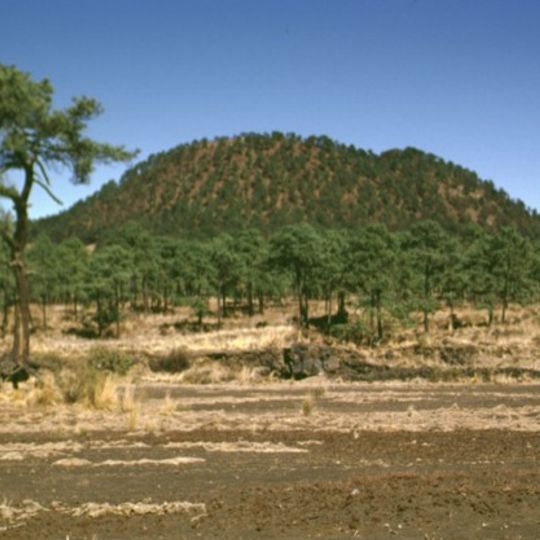
Xítle, Monogenetic volcano in Tlalpan, Mexico.
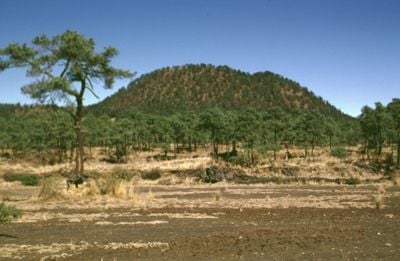
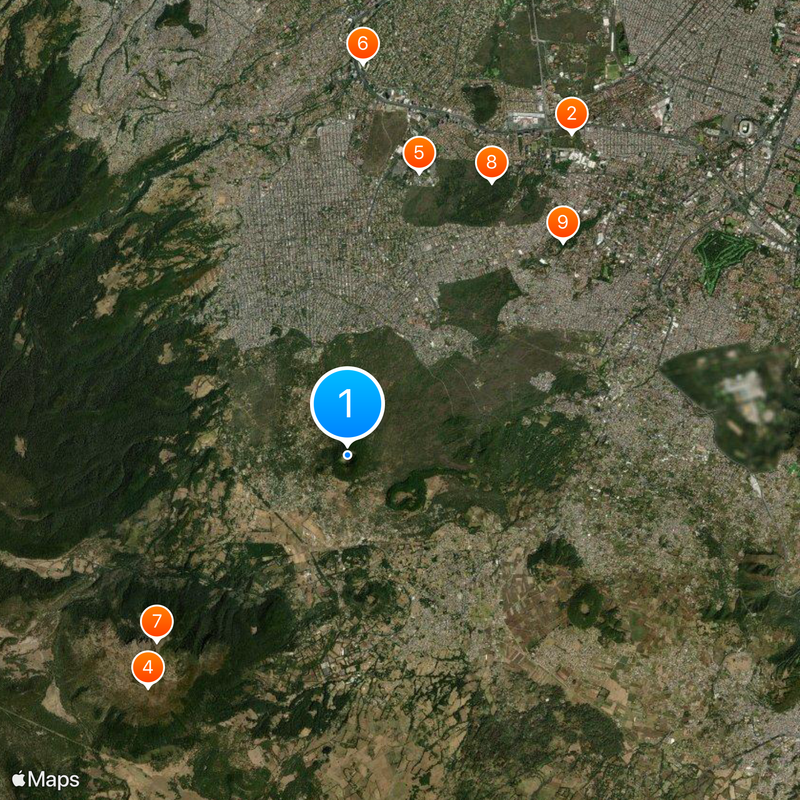
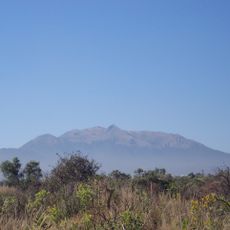
Xitle is an extinct volcano in the Ajusco mountain range south of Mexico City, rising about 300 meters (980 feet) above the surrounding terrain. Its cone-shaped summit and rugged flanks are surrounded by solidified lava flows that extend for several kilometers into the urban suburbs.
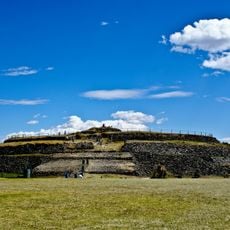
The eruption occurred between the third and fourth centuries AD, burying the nearby city of Cuicuilco beneath a thick layer of lava. The inhabitants fled northward and contributed to the development of other settlements in the central highlands.
The name comes from Nahuatl and means something like "navel" or "center", reflecting how the volcano sits at the heart of the surrounding landscape. Local residents still refer to the dark rock formations around the base as reminders of the ancient flow that reshaped their region.
Access is via marked trails in the Cumbres del Ajusco National Park, and sturdy footwear is recommended because of the sharp volcanic rock. The best time to visit is early morning, when the air is clear and views over the valley improve.
The Pedregal de San Ángel lava fields now support more than 300 plant species, many of which grow only on this volcanic rock. Some of these plants have developed root systems that penetrate deep into the porous lava to find moisture.
The community of curious travelers
AroundUs brings together thousands of curated places, local tips, and hidden gems, enriched daily by 91,805 contributors worldwide.