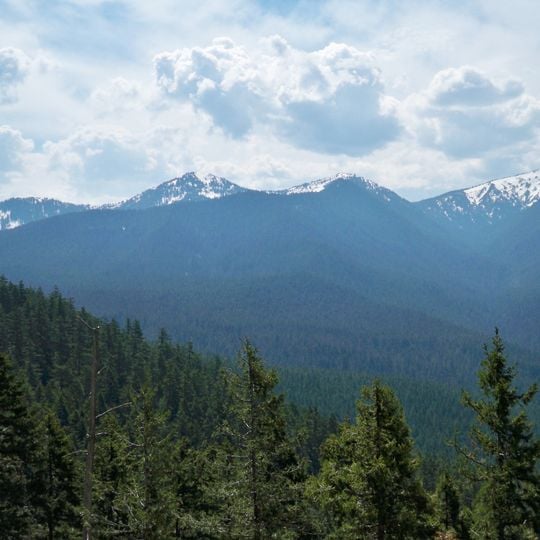
Ajusco, Extinct volcano in Mexico City, Mexico
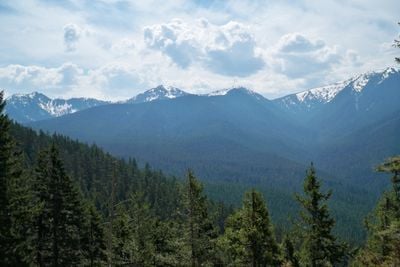
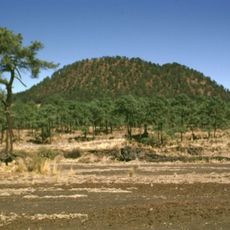
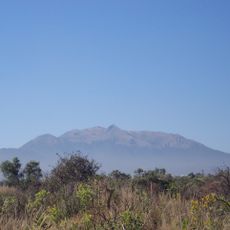
Ajusco is a lava dome volcano reaching 3,930 meters, the highest point in Mexico City, in the Tlalpan borough. Its rounded summits and saddles show patches of snow on the highest crests, while dense pine and oak forest covers the lower slopes. The massif belongs to the Sierra de Ajusco-Chichinauhtzin and the Trans-Mexican Volcanic Belt.
Millions of years ago the volcano erupted and formed the present mountain, with large flows of lava shaping the surrounding land. By the 12th century people were using the summit for rituals and left behind pottery and tools.
Ajusco comes from Nahuatl axōchco, usually rendered "place where water blooms", from ātl (water), xōchitl (flower) and -co (place). The name refers to the green, flower-rich forest and heavy rainfall of the massif. The springs around the peak are captured to add to Mexico City's water supply, and the Lerma and Balsas rivers draw part of their source waters here.
Several hiking trails lead to the summit and offer different difficulty levels for visitors who want to climb year-round. Weekends get crowded, so starting early in the morning is a good idea.
Ajusco is a lava dome, not a stratovolcano, so it has no single summit crater; it grew as a complex of domes of Pliocene-Pleistocene age surrounded by block and ash flow deposits. On the summit there is a pre-Hispanic site where artifacts have been found. The Lerma and Balsas rivers draw part of their source waters here, and springs near the peak are captured for Mexico City's supply.
The community of curious travelers
AroundUs brings together thousands of curated places, local tips, and hidden gems, enriched daily by 93,336 contributors worldwide.