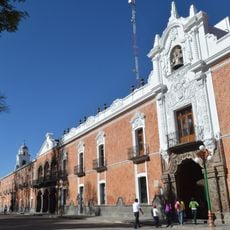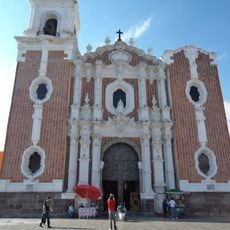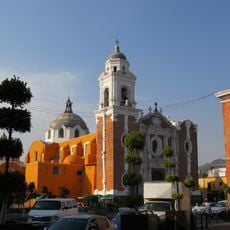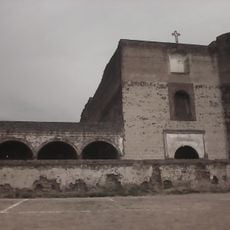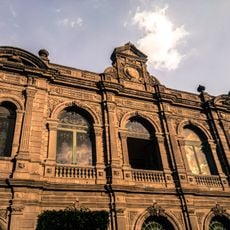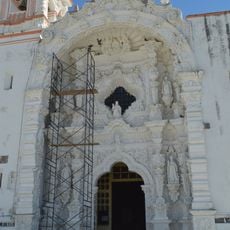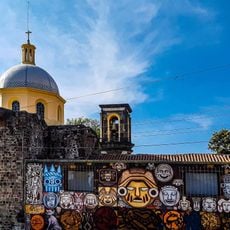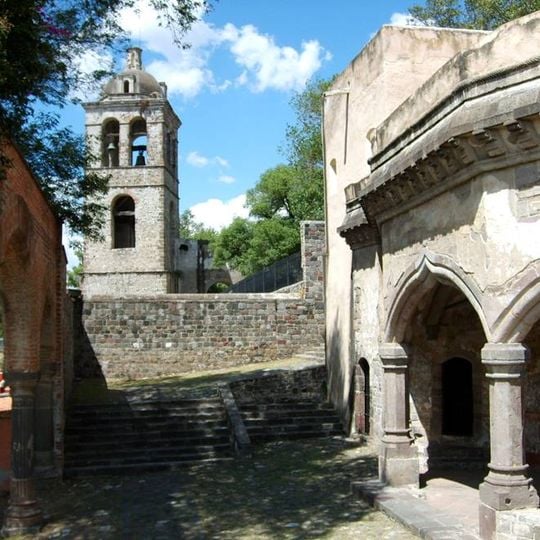
Our Lady of the Assumption Cathedral, 16th-century Catholic cathedral in Tlaxcala de Xicoténcatl, Mexico
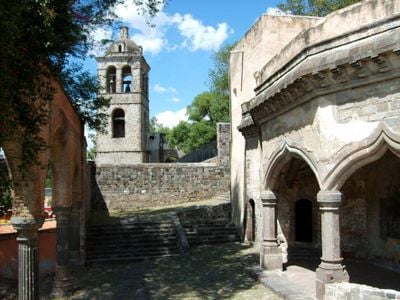
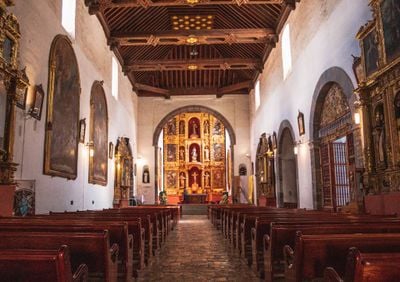
Our Lady of the Assumption Cathedral is a single-nave church built between 1530 and 1536, with a wooden roof of viguería and a Mudéjar-style artesonado ceiling, one of the last of its kind in the Americas. Its octagonal dome rises above a convent, and the bell tower stands apart from the main complex, linked by a hidden passage over the arcades.
Construction took place between 1530 and 1536, and the building originally served as the Temple of Saint Francis of Assisi before its redesignation as the Cathedral. This transformation marked a shift in the church's administrative importance as Spanish religious institutions consolidated their presence in the region.
The cathedral keeps the dedication to Our Lady of the Assumption given in 1527, when Bishop Julián Garcés took possession of the Franciscan monastery and raised the small church of the Assumption to cathedral rank. The Franciscans had arrived in 1524 and lodged three years in rooms of the palace of tlatoani Maxixcatzin at Ocotelulco, using a low hall as their church, as Motolinia recorded.
The building sits on Calzada de San Francisco and opens daily, allowing visitors to step inside and explore the interior at their own pace. Its central location makes it easily accessible, and you can combine a visit here with other nearby sites in the historic district.
Inside the Chapel of Christ of the Precious Blood sits a figure of Christ made from corn dough, a rare religious artwork. This unusual representation in organic material shows how local craft traditions merged with Catholic religious imagery.
The community of curious travelers
AroundUs brings together thousands of curated places, local tips, and hidden gems, enriched daily by 93,763 contributors worldwide.