Ocotelulco, Archaeological site in Tlaxcala, Mexico.
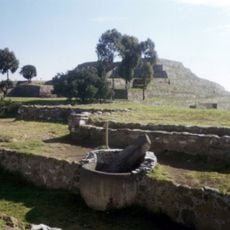
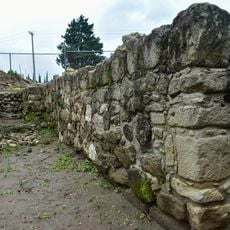
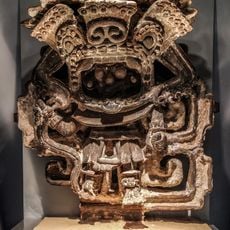
Ocotelulco is an archaeological site in Totolac, Tlaxcala, 3 km from Tlaxcala city. Excavations in 1990 uncovered a small teocalli with three construction stages: a stuccoed ceremonial floor, polychrome substructures, a bench and a central altar decorated with blood-stream motifs and the deity Xiuhcóatl. North of it, rooms on xalnene platforms held offerings of ceramics, quail bones and a polychrome plate showing Tezcatlipoca as a bird.
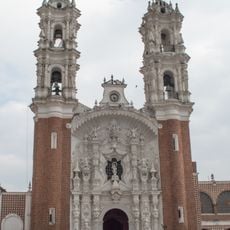
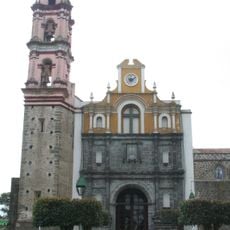
Ocotelulco was one of the four señoríos that made up the República de Tlaxcallan, and it gained weight through the stay of Maxixcatzin. The Teochichimeca-Tlaxcalteca culture inhabited it in the 12th century before the population moved to Tepeticpac. Jorge R. Acosta began excavations in 1954 near the church of San Francisco Ocotelulco, and in the 1970s Ángel García Cook's Puebla-Tlaxcala project dated the founding to that same century.
The name Ocotelulco comes from Nahuatl, meaning "on the pine hill" or "place of the ocote balls"; Fray Toribio de Motolinía rendered it as "in the pine quarter." The site was one of the four señoríos of the Tlaxcallan Republic and gained weight through the residence of Maxixcatzin. In the ceremonial precinct, the central altar carries motifs of blood torrents and the deity Xiuhcóatl.
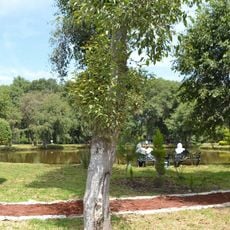
Access to the site is on foot along pathways that wind between the ruins. Most areas are relatively flat and easy to navigate, though some structures sit at different elevation levels.
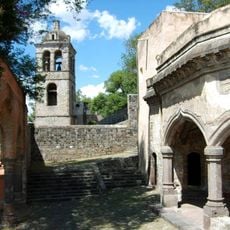
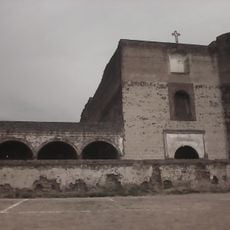
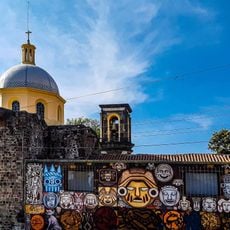
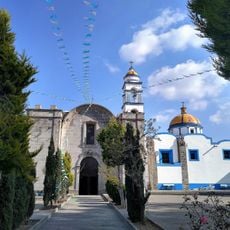
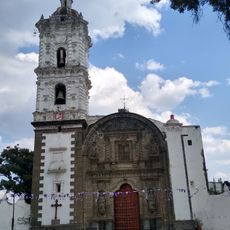
The 1990 INAH digs on the terraces north of the 19th-century San Francisco Ocotelulco church uncovered a small teocalli with three building phases. Its oldest phase held a stuccoed floor, polychrome substructures, a bench and a central altar decorated with streams of blood and the deity Xiuhcoatl.
The community of curious travelers
AroundUs brings together thousands of curated places, local tips, and hidden gems, enriched daily by 94,383 contributors worldwide.