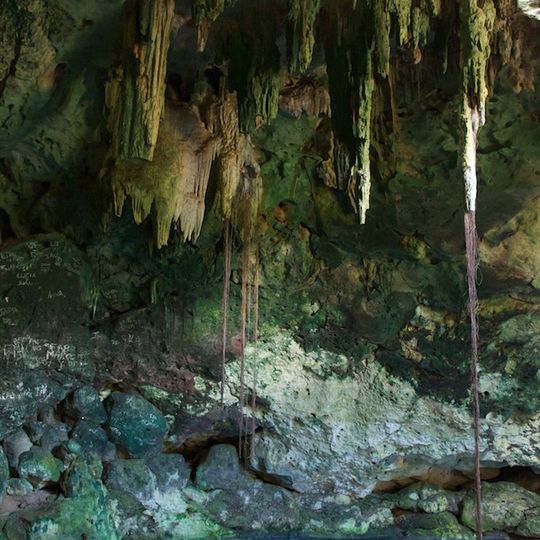
Cenotes de Cuzamá, Interconnected cenotes in Cuzamá, Mexico
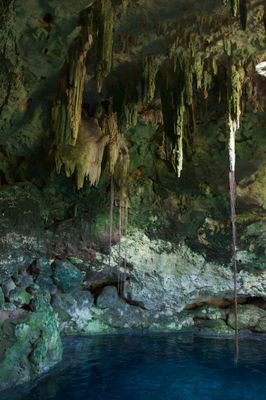
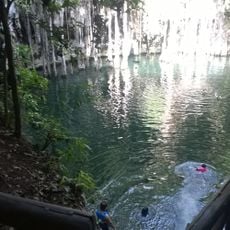
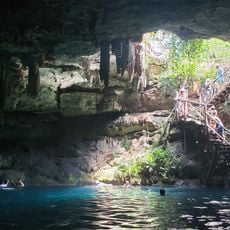
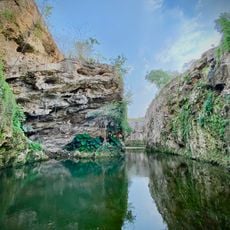
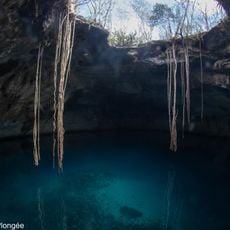
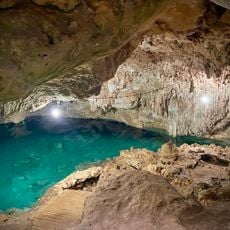
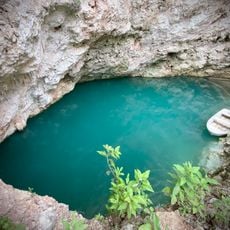
Cenotes de Cuzamá are three limestone sinkholes named Chelentún, Chak-Zinik-Che, and Bolom-Chojol with underground pools of crystal-clear water. These natural formations connect through subterranean channels that allow water to flow between them, creating an interconnected underground system.
These cenotes formed over millions of years through the erosion of limestone by water and became vital water sources for Maya civilization. The ancient people developed settlements around the Peninsula relying on these underground reservoirs for survival.
The name Cuzamá comes from Maya words meaning water and swallows, reflecting birds that have lived in this region for centuries. These natural formations have held deep significance for local people throughout their history.
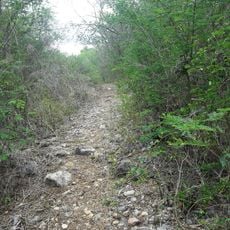
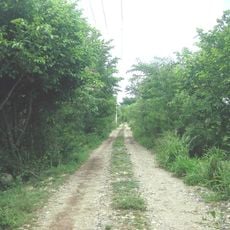
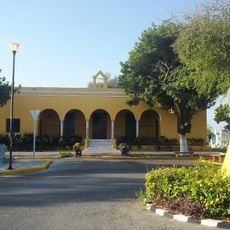
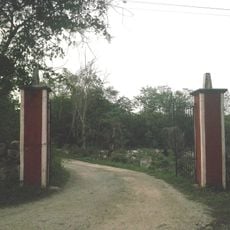
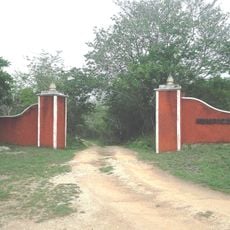
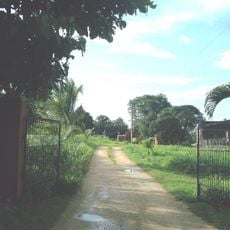
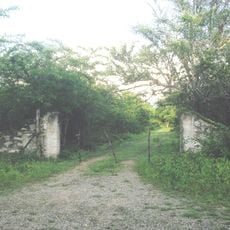
Access requires traveling by horse-drawn or motorized cart for about 7 kilometers starting from the former henequen hacienda of Chunkanán. The journey takes roughly an hour and suits most visitors, though the tracks can be bumpy.
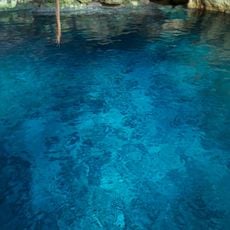
The Bolom-Chojol cenote has nine natural openings where sunlight filters through, creating shifting light patterns on the turquoise water as the day progresses. These changing light effects make the visual experience different at each visit.
The community of curious travelers
AroundUs brings together thousands of curated places, local tips, and hidden gems, enriched daily by 60,000 contributors worldwide.