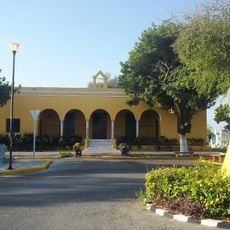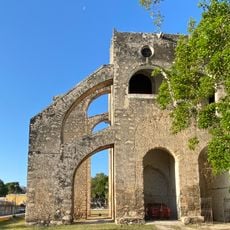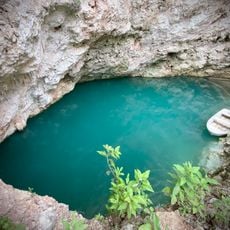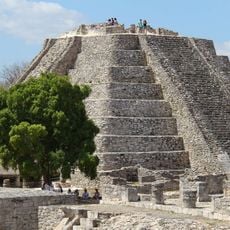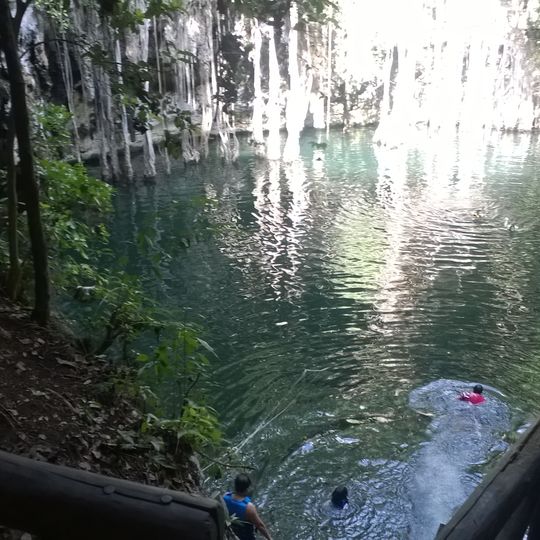
Ring of cenotes, Natural sinkholes formation in Yucatán, Mexico
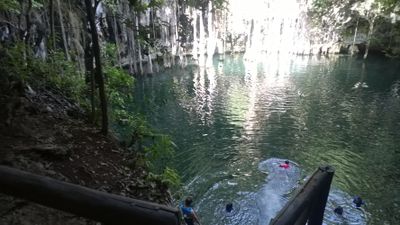
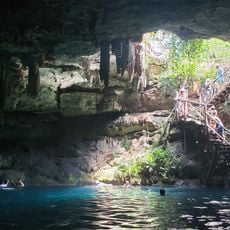
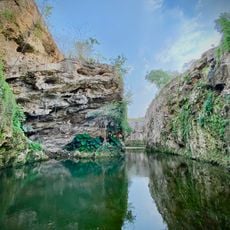
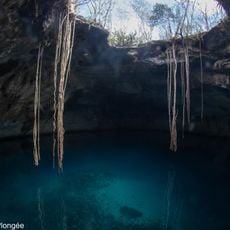
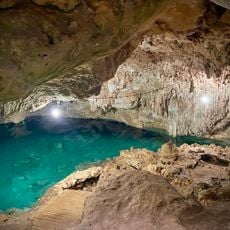
The Ring of Cenotes is a curved chain of water-filled limestone sinkholes across the Yucatán Peninsula, connected beneath the surface by a network of underground rivers. Some are open pools exposed to the sky, while others are partly or fully enclosed within caves, giving each one a different character.
The sinkholes trace their origin to the asteroid impact about 66 million years ago that left the Chicxulub crater, creating a circular fault line where limestone slowly gave way over time. Maya communities then built settlements along this arc because the water sources it provided were among the most reliable in the region.
The word cenote comes from the Maya term "dz'onot," which referred to these water sources and was later adopted into Spanish. In some villages around the ring, local families still gather at cenotes for community events, treating them as shared spaces rather than just tourist stops.
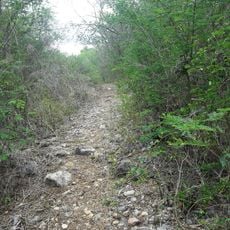
The sinkholes are spread across a wide area, so planning a route from Mérida or a nearby town is a practical starting point, and having access to a vehicle makes visiting several spots in one day much easier. Paths leading down to the water can be uneven or slippery, so solid footwear is a good idea.
Many of the sinkholes sit directly on the rim of the Chicxulub crater, formed by the same impact linked to the extinction of the dinosaurs. This means that swimmers are dipping into water that traces the outline of one of the most consequential events in the history of life on Earth.
The community of curious travelers
AroundUs brings together thousands of curated places, local tips, and hidden gems, enriched daily by 91,936 contributors worldwide.