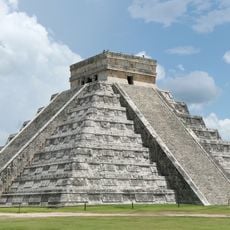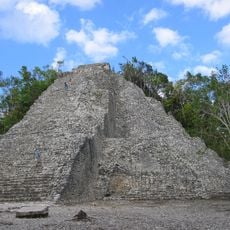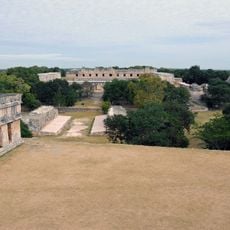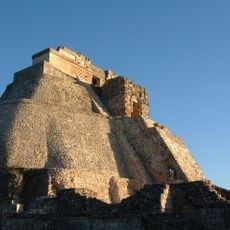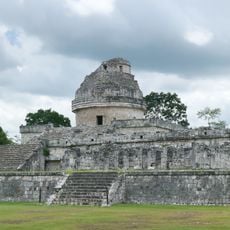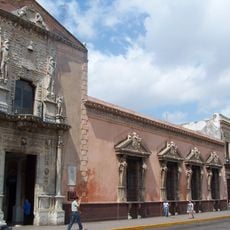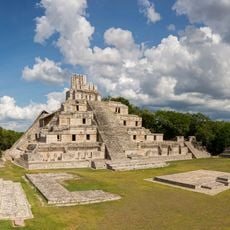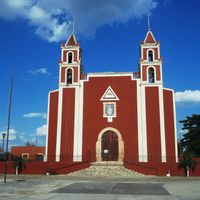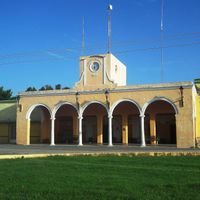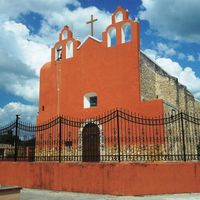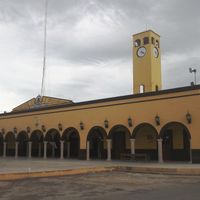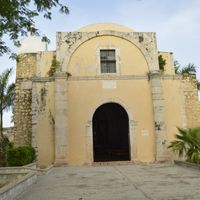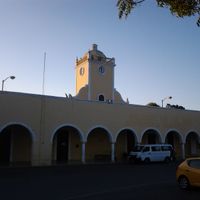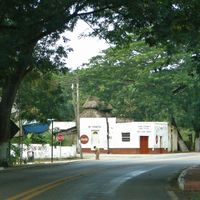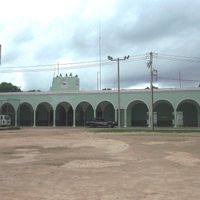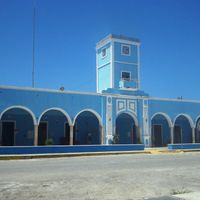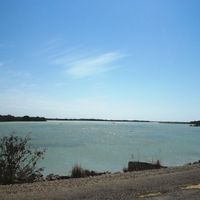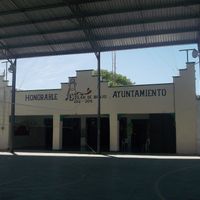
Yucatán, Mexican administrative division in southeastern Mexico.
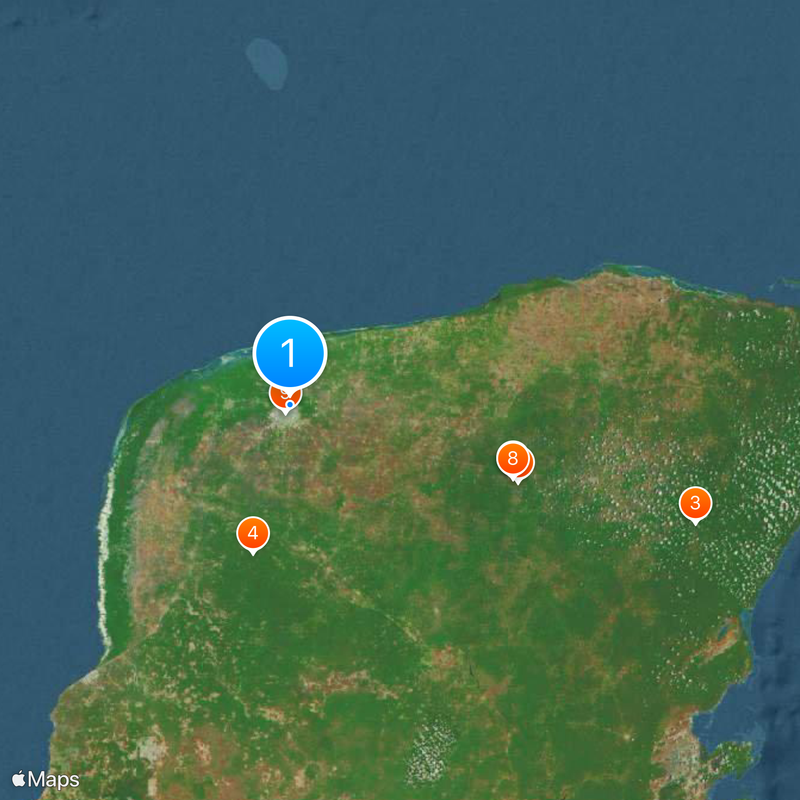
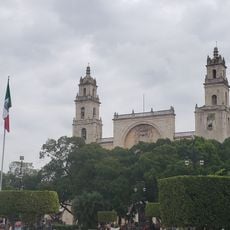
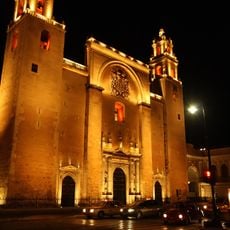
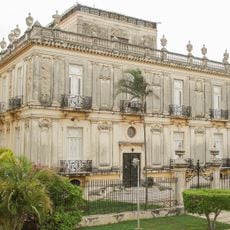
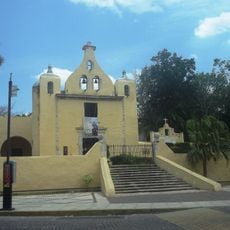
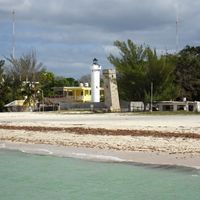
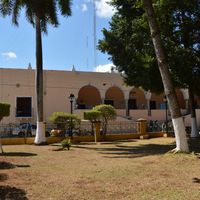
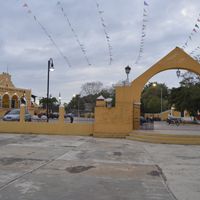
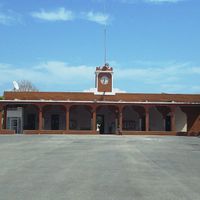
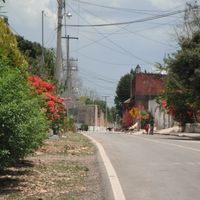
Yucatán stretches across a limestone peninsula between the Gulf of Mexico and the Caribbean Sea, covering 106 municipalities with Mérida as its capital. This region forms the northwestern portion of the larger peninsula and borders Quintana Roo to the east and Campeche to the southwest.
This territory declared independence several times during the 19th century, including a notable attempt in 1823 after Mexico broke away from Spanish control. During the Caste War between 1847 and 1901 indigenous Maya communities fought for autonomy against the regional government.
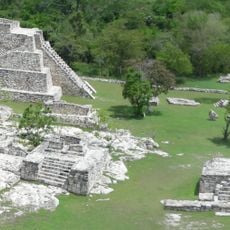
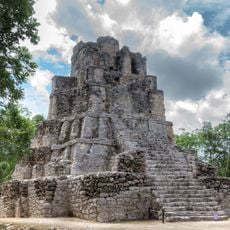
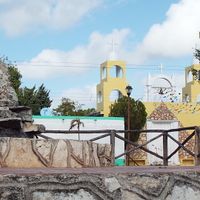
The Mayan language and traditions shape everyday life across many communities, where residents speak Yucatec Maya alongside Spanish. In villages and markets this cultural continuity shows up clearly through traditional dress and local dishes with pre-Columbian roots.
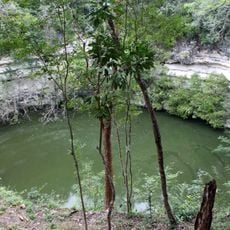
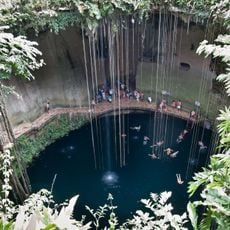
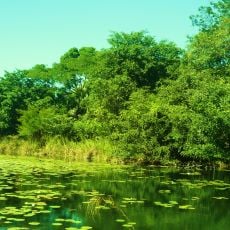
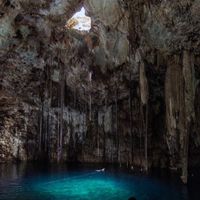
The area experiences a tropical climate with rainy season from May through October, making the drier months better suited for outdoor activities. The flat landscape with few rivers means freshwater sources often come from underground cenotes found along major roads.
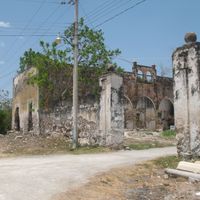
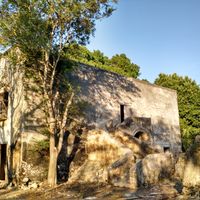
Henequen production once transformed the economy and created a network of haciendas that processed this agave plant for rope manufacturing until the 1950s. Many of these abandoned estates with their machine houses and worker settlements now lie scattered across the countryside and remain visible from main highways.
The community of curious travelers
AroundUs brings together thousands of curated places, local tips, and hidden gems, enriched daily by 90,841 contributors worldwide.